Break Room Essentials: Creating a Productive Employee Space
Assessing Employee Needs and Preferences
Surveys show that 70% of employees feel more productive when they have access to a well-equipped break room. Yet, many workplaces still treat these spaces like afterthoughts. It's time to change that narrative.
Imagine you're the purchasing director at a mid-sized tech firm. You've just noticed that your team is taking longer breaks than usual, and the coffee machine is perpetually empty. Instead of blaming the coffee lovers, what if you took a step back and assessed what your team actually needs? This isn't just about coffee; it’s about creating an environment where employees can recharge effectively.
Gathering Insights: The Employee Survey
Conducting an employee survey can be your best friend when it comes to understanding preferences. Make it easy and engaging—think quick polls or anonymous feedback forms. Ask questions like:
- What snacks do you prefer in the break room?
- How often do you use the break room during work hours?
- What amenities would enhance your break experience?
You might be surprised by the results! For instance, if most employees prefer healthy snacks over sugary ones, it’s time to ditch those candy bars in favor of fresh fruit or protein bars.
Observational Studies: Watching Break Room Behavior
Survey says! is just one part of the equation. Sometimes, the best insights come from simply observing how employees use their break room space. Are they huddled in corners with their phones? Or are they actively engaging with each other? This can tell you a lot about how to optimize that space.
A break room should be a social hub, not just a snack station.
If you notice clusters of people gravitating towards certain areas or amenities, consider enhancing those features. Maybe adding some comfy seating or games could encourage more collaboration and creativity during breaks.
Trial Runs for New Amenities
Once you've gathered enough data from surveys and observations, consider implementing a trial run for new items in the break room. Introduce a few new snacks or activities for a month and collect feedback on them afterward.
This iterative approach allows you to fine-tune what works best without committing to long-term changes right away. Think of it as a test kitchen for workplace wellness!
Ultimately, creating an effective break room is about listening to your team and being willing to adapt based on their needs and preferences. As purchasing directors, it's crucial to foster an environment where employees feel valued—and that starts with assessing their needs.
Surveys show that 70% of employees feel more productive when they have access to a well-equipped break room. Yet, many workplaces still treat these spaces like afterthoughts. It's time to change that narrative.
Imagine you're the purchasing director at a mid-sized tech firm. You've just noticed that your team is taking longer breaks than usual, and the coffee machine is perpetually empty. Instead of blaming the coffee lovers, what if you took a step back and assessed what your team actually needs? This isn't just about coffee; it’s about creating an environment where employees can recharge effectively.
Gathering Insights: The Employee Survey
Conducting an employee survey can be your best friend when it comes to understanding preferences. Make it easy and engaging—think quick polls or anonymous feedback forms. Ask questions like:
- What snacks do you prefer in the break room?
- How often do you use the break room during work hours?
- What amenities would enhance your break experience?
You might be surprised by the results! For instance, if most employees prefer healthy snacks over sugary ones, it’s time to ditch those candy bars in favor of fresh fruit or protein bars.
Observational Studies: Watching Break Room Behavior
Survey says! is just one part of the equation. Sometimes, the best insights come from simply observing how employees use their break room space. Are they huddled in corners with their phones? Or are they actively engaging with each other? This can tell you a lot about how to optimize that space.
A break room should be a social hub, not just a snack station.
If you notice clusters of people gravitating towards certain areas or amenities, consider enhancing those features. Maybe adding some comfy seating or games could encourage more collaboration and creativity during breaks.
Trial Runs for New Amenities
Once you've gathered enough data from surveys and observations, consider implementing a trial run for new items in the break room. Introduce a few new snacks or activities for a month and collect feedback on them afterward.
This iterative approach allows you to fine-tune what works best without committing to long-term changes right away. Think of it as a test kitchen for workplace wellness!
Ultimately, creating an effective break room is about listening to your team and being willing to adapt based on their needs and preferences. As purchasing directors, it's crucial to foster an environment where employees feel valued—and that starts with assessing their needs.
Designing a Functional Layout
A well-designed break room can be the difference between a team that returns to work recharged and one that drags its feet back to the grind. Think about it: a study from the University of Exeter found that office design can boost productivity by up to 20%. So, if your break room resembles a cramped storage closet more than a rejuvenating retreat, it’s time for an upgrade.
The Power of Zoning
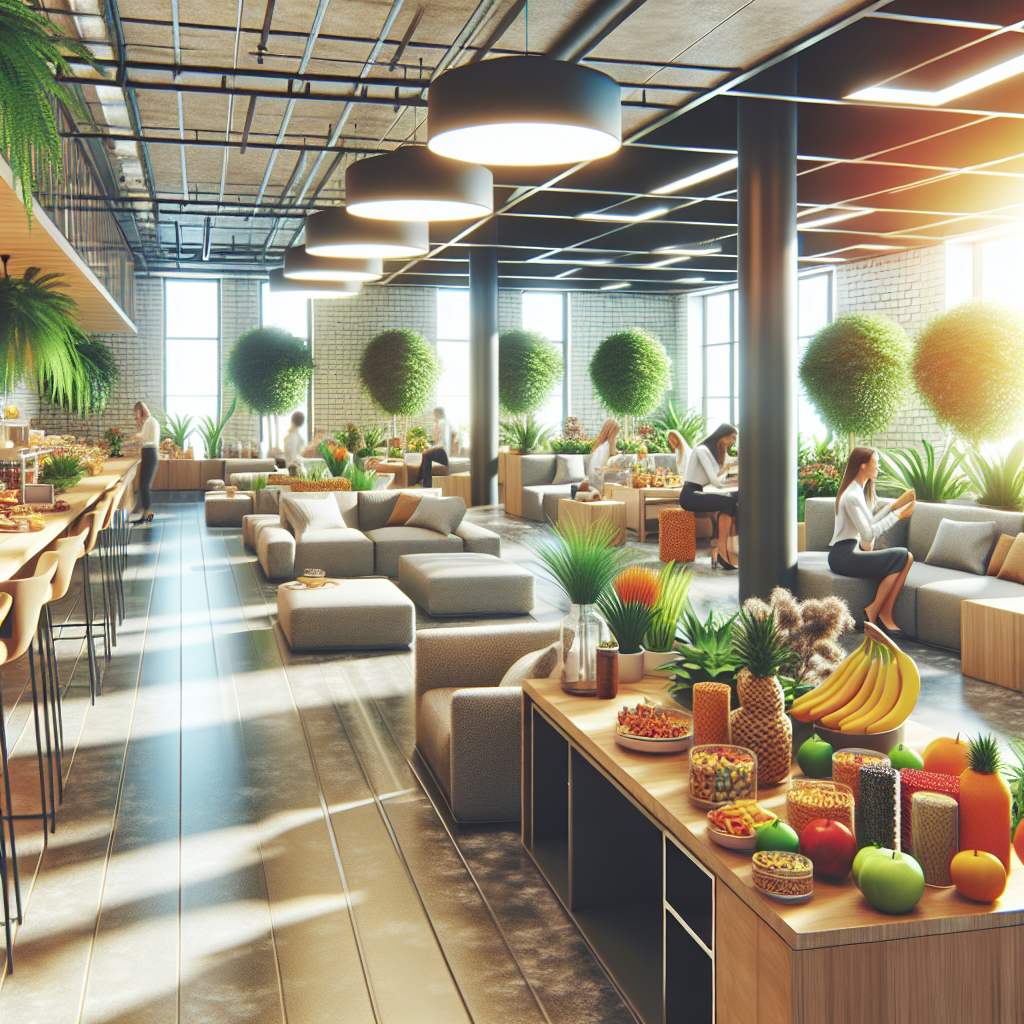
Zoning is crucial in creating a functional layout. Imagine walking into a break room where everything is jumbled together—snacks, seating, and coffee machines all fighting for attention. Instead, think of your break room as a mini-ecosystem with designated areas for different activities: lounging, eating, and socializing. This not only helps in reducing chaos but also encourages employees to engage in various ways.
- Relaxation Zone: Comfortable seating with soft lighting for unwinding.
- Snack Station: A dedicated area for food and drinks, ideally stocked with healthy options.
- Collaboration Corner: Tables or whiteboards for brainstorming sessions or casual meetings.
Furniture Matters
Don't underestimate the impact of furniture choice! Go beyond the standard folding chairs and plastic tables. Invest in ergonomic seating that supports good posture—after all, no one wants to return to their desk feeling like they just wrestled an octopus. Look for modular furniture that can be rearranged easily to accommodate different group sizes or activities.
Comfortable furniture leads to longer breaks and happier employees.
Lighting and Ambiance
Fluorescent lights are so last decade! If your break room feels like an interrogation room under harsh lighting, you might want to rethink your strategy. Natural light is ideal; if that's not feasible, opt for warm LED lights that create an inviting atmosphere. Adding plants can also enhance ambiance while improving air quality—bonus points if they’re low-maintenance!
Now this is where things get interesting! Consider adding flexible spaces that allow employees to adapt the environment based on their needs at any given moment. Maybe it's time for an impromptu team meeting or simply catching up over coffee—whatever it is, make sure your layout supports these spontaneous interactions.
So what’s next? After implementing these design principles, gather feedback from your team. Are there areas that feel underutilized? Are there features they love? Continuous improvement should be part of the process!
A well-designed break room can be the difference between a team that returns to work recharged and one that drags its feet back to the grind. Think about it: a study from the University of Exeter found that office design can boost productivity by up to 20%. So, if your break room resembles a cramped storage closet more than a rejuvenating retreat, it’s time for an upgrade.
The Power of Zoning
Zoning is crucial in creating a functional layout. Imagine walking into a break room where everything is jumbled together—snacks, seating, and coffee machines all fighting for attention. Instead, think of your break room as a mini-ecosystem with designated areas for different activities: lounging, eating, and socializing. This not only helps in reducing chaos but also encourages employees to engage in various ways.
- Relaxation Zone: Comfortable seating with soft lighting for unwinding.
- Snack Station: A dedicated area for food and drinks, ideally stocked with healthy options.
- Collaboration Corner: Tables or whiteboards for brainstorming sessions or casual meetings.
Furniture Matters
Don't underestimate the impact of furniture choice! Go beyond the standard folding chairs and plastic tables. Invest in ergonomic seating that supports good posture—after all, no one wants to return to their desk feeling like they just wrestled an octopus. Look for modular furniture that can be rearranged easily to accommodate different group sizes or activities.
Comfortable furniture leads to longer breaks and happier employees.
Lighting and Ambiance
Fluorescent lights are so last decade! If your break room feels like an interrogation room under harsh lighting, you might want to rethink your strategy. Natural light is ideal; if that's not feasible, opt for warm LED lights that create an inviting atmosphere. Adding plants can also enhance ambiance while improving air quality—bonus points if they’re low-maintenance!
Now this is where things get interesting! Consider adding flexible spaces that allow employees to adapt the environment based on their needs at any given moment. Maybe it's time for an impromptu team meeting or simply catching up over coffee—whatever it is, make sure your layout supports these spontaneous interactions.
So what’s next? After implementing these design principles, gather feedback from your team. Are there areas that feel underutilized? Are there features they love? Continuous improvement should be part of the process!
Selecting Essential Equipment and Supplies
Imagine walking into a break room and spotting a coffee machine that looks like it’s seen better days. It’s the kind of machine that might have brewed potions for wizards rather than coffee for employees. In fact, research shows that 60% of employees say access to quality coffee significantly impacts their mood and productivity. So, what gives?
Selecting the right equipment and supplies is crucial for creating a break room that employees actually want to use. It’s not just about slapping together a few chairs and a vending machine; it’s about curating an experience that enhances their workday. Let’s break down the essentials.
Coffee: The Lifeblood of Productivity
First things first: if your break room doesn’t have a decent coffee maker, you might as well be serving decaf—cue the collective groans! Invest in a high-quality espresso machine or at least a reliable drip coffee maker. A top-notch brew can transform those sluggish afternoon hours into moments of inspiration.
A good cup of coffee can boost morale and productivity by up to 20%!
Snack Attack: Fueling Creativity
Next up, snacks! Gone are the days when stale donuts ruled the break room. Today’s employees crave variety—think healthy options like mixed nuts, granola bars, or even yogurt parfaits. Consider partnering with local vendors for fresh fruit deliveries or organic snack boxes to keep things exciting.
- Granola bars (bonus points for gluten-free options)
- Fresh fruit (bananas, apples, berries)
- Nut mixes (protein-packed goodness)
- Vegetable sticks with hummus (for the health-conscious)
Chill Zone Essentials
Chill Zone essentials are just as critical as snacks and drinks. Comfortable seating is non-negotiable—no one wants to plop down on hard plastic chairs after being cooped up at their desks all day. Think cozy couches or bean bags where employees can kick back and recharge.
Imagine walking into a break room and spotting a coffee machine that looks like it’s seen better days. It’s the kind of machine that might have brewed potions for wizards rather than coffee for employees. In fact, research shows that 60% of employees say access to quality coffee significantly impacts their mood and productivity. So, what gives?
Selecting the right equipment and supplies is crucial for creating a break room that employees actually want to use. It’s not just about slapping together a few chairs and a vending machine; it’s about curating an experience that enhances their workday. Let’s break down the essentials.
Coffee: The Lifeblood of Productivity
First things first: if your break room doesn’t have a decent coffee maker, you might as well be serving decaf—cue the collective groans! Invest in a high-quality espresso machine or at least a reliable drip coffee maker. A top-notch brew can transform those sluggish afternoon hours into moments of inspiration.
A good cup of coffee can boost morale and productivity by up to 20%!
Snack Attack: Fueling Creativity
Next up, snacks! Gone are the days when stale donuts ruled the break room. Today’s employees crave variety—think healthy options like mixed nuts, granola bars, or even yogurt parfaits. Consider partnering with local vendors for fresh fruit deliveries or organic snack boxes to keep things exciting.
- Granola bars (bonus points for gluten-free options)
- Fresh fruit (bananas, apples, berries)
- Nut mixes (protein-packed goodness)
- Vegetable sticks with hummus (for the health-conscious)
Chill Zone Essentials
Chill Zone essentials are just as critical as snacks and drinks. Comfortable seating is non-negotiable—no one wants to plop down on hard plastic chairs after being cooped up at their desks all day. Think cozy couches or bean bags where employees can kick back and recharge.
Incorporating Health and Wellness Features
A staggering 80% of employees report that a workplace that prioritizes health and wellness makes them feel more engaged. Yet, many break rooms still resemble a snack graveyard rather than a wellness oasis. If you want to boost morale and productivity, it’s time to rethink your break room strategy.
Take the case of a mid-sized marketing agency that revamped its break room to include wellness features. Instead of just coffee and donuts, they introduced yoga mats, fresh fruit, and even meditation sessions during lunch breaks. The result? A noticeable uptick in employee satisfaction and creativity!
Mindful Eating: Snacks That Energize
Let’s face it: sugary snacks might give a quick energy boost, but they often lead to the dreaded afternoon crash. Instead, stock your break room with options that fuel productivity—think trail mix, yogurt parfaits, or even veggie sticks with hummus. These choices not only keep energy levels steady but also promote healthier eating habits.
Healthy snacks can improve concentration and reduce fatigue!
Movement Matters: Incorporating Activity
Sitting is the new smoking—so why not encourage movement in your break room? Consider adding standing desks or even a small area for stretching or quick workouts. You could host break room boot camps where employees gather for short bursts of activity. These mini-sessions can invigorate the team and foster camaraderie.
- Deskercise tools like balance balls or resistance bands.
- Walking meetings where teams brainstorm while strolling around.
- Stretch breaks every hour to keep everyone limber.
Zen Zone: Creating Relaxation Spaces
Burnout is real, as every overworked employee can attest. Designate a corner of your break room as a Zen Zone with calming elements like plants, soft lighting, and comfortable seating. Incorporate mindfulness resources such as guided meditation apps or stress-relief tools like fidget spinners. This space can be a sanctuary for employees needing a moment of peace amid their busy day.
So what’s next? Start by surveying your team about what wellness features they’d value most in their break room. It’s time to transform this space into one that promotes not just relaxation but overall well-being.
A staggering 80% of employees report that a workplace that prioritizes health and wellness makes them feel more engaged. Yet, many break rooms still resemble a snack graveyard rather than a wellness oasis. If you want to boost morale and productivity, it’s time to rethink your break room strategy.
Take the case of a mid-sized marketing agency that revamped its break room to include wellness features. Instead of just coffee and donuts, they introduced yoga mats, fresh fruit, and even meditation sessions during lunch breaks. The result? A noticeable uptick in employee satisfaction and creativity!
Mindful Eating: Snacks That Energize
Let’s face it: sugary snacks might give a quick energy boost, but they often lead to the dreaded afternoon crash. Instead, stock your break room with options that fuel productivity—think trail mix, yogurt parfaits, or even veggie sticks with hummus. These choices not only keep energy levels steady but also promote healthier eating habits.
Healthy snacks can improve concentration and reduce fatigue!
Movement Matters: Incorporating Activity
Sitting is the new smoking—so why not encourage movement in your break room? Consider adding standing desks or even a small area for stretching or quick workouts. You could host break room boot camps where employees gather for short bursts of activity. These mini-sessions can invigorate the team and foster camaraderie.
- Deskercise tools like balance balls or resistance bands.
- Walking meetings where teams brainstorm while strolling around.
- Stretch breaks every hour to keep everyone limber.
Zen Zone: Creating Relaxation Spaces
Burnout is real, as every overworked employee can attest. Designate a corner of your break room as a Zen Zone with calming elements like plants, soft lighting, and comfortable seating. Incorporate mindfulness resources such as guided meditation apps or stress-relief tools like fidget spinners. This space can be a sanctuary for employees needing a moment of peace amid their busy day.
So what’s next? Start by surveying your team about what wellness features they’d value most in their break room. It’s time to transform this space into one that promotes not just relaxation but overall well-being.
Establishing Maintenance and Cleanliness Protocols
Picture this: it’s Monday morning, and the break room looks like a tornado just swept through. Crumbs on the floor, coffee stains on the counter, and a fridge that smells like something died in there. Not exactly the refreshing retreat your employees need! A clean break room is not just about aesthetics; it directly impacts employee satisfaction and productivity.
Research indicates that a tidy workspace can boost productivity by up to 15%. So, if you want your team to thrive, it’s time to establish some solid maintenance and cleanliness protocols. Let’s break down how to do this without turning into the office cleanliness police.
Daily Cleaning Routines
Creating a daily cleaning checklist is your first line of defense against chaos. Assign specific tasks to either a cleaning crew or rotating employee volunteers. Think of it as team bonding—who doesn’t love a little chore competition? Here’s what should be on that checklist:
- Wipe down tables and counters after every lunch hour.
- Empty trash bins daily—nobody wants to discover last week’s leftovers.
- Restock supplies like napkins, utensils, and coffee filters.
By implementing these simple routines, you’ll prevent messes from piling up and ensure that the break room remains an inviting space for everyone.
Weekly Deep Cleaning
Daily upkeep is great, but let’s not forget about the deep clean! Schedule a weekly deep cleaning session where you tackle those tasks that often get overlooked. You know—the fridge clean-out that feels like an archaeological dig or scrubbing those hard-to-reach corners where crumbs go to die. Here are some essential deep-cleaning tasks:
- Fridge purge—remove expired items and wipe down shelves.
- Microwave makeover—clean spills and splatters (and maybe even discover what that mystery smell was).
- Floor refresh—mop or vacuum to keep things looking spick-and-span.
A clean break room fosters a positive atmosphere where employees can unwind.
Encouraging Employee Participation
Picture this: it’s Monday morning, and the break room looks like a tornado just swept through. Crumbs on the floor, coffee stains on the counter, and a fridge that smells like something died in there. Not exactly the refreshing retreat your employees need! A clean break room is not just about aesthetics; it directly impacts employee satisfaction and productivity.
Research indicates that a tidy workspace can boost productivity by up to 15%. So, if you want your team to thrive, it’s time to establish some solid maintenance and cleanliness protocols. Let’s break down how to do this without turning into the office cleanliness police.
Daily Cleaning Routines
Creating a daily cleaning checklist is your first line of defense against chaos. Assign specific tasks to either a cleaning crew or rotating employee volunteers. Think of it as team bonding—who doesn’t love a little chore competition? Here’s what should be on that checklist:
- Wipe down tables and counters after every lunch hour.
- Empty trash bins daily—nobody wants to discover last week’s leftovers.
- Restock supplies like napkins, utensils, and coffee filters.
By implementing these simple routines, you’ll prevent messes from piling up and ensure that the break room remains an inviting space for everyone.
Weekly Deep Cleaning
Daily upkeep is great, but let’s not forget about the deep clean! Schedule a weekly deep cleaning session where you tackle those tasks that often get overlooked. You know—the fridge clean-out that feels like an archaeological dig or scrubbing those hard-to-reach corners where crumbs go to die. Here are some essential deep-cleaning tasks:
- Fridge purge—remove expired items and wipe down shelves.
- Microwave makeover—clean spills and splatters (and maybe even discover what that mystery smell was).
- Floor refresh—mop or vacuum to keep things looking spick-and-span.
A clean break room fosters a positive atmosphere where employees can unwind.
Encouraging Employee Participation
Fostering Community and Engagement in the Break Room
Imagine a break room that’s more than just a snack station. It’s a vibrant hub where employees gather, share ideas, and build camaraderie. Sounds dreamy, right? But here’s the kicker: studies show that workplaces with strong social connections can see up to a 50% increase in employee satisfaction. So why are so many break rooms still set up like ghost towns?
In a bustling marketing agency, the break room was once just a place to grab coffee and go back to work. Employees would rush in, fill their mugs, and dart out like they were on a secret mission. But when the management decided to spice things up—adding communal tables, games, and themed snack days—the vibe shifted dramatically. Suddenly, the break room became the go-to spot for brainstorming sessions and team bonding.
Designing Engaging Activities
Creating an engaging break room isn’t just about comfy couches or fancy coffee machines; it’s about fostering interactions that spark creativity and collaboration. Think of activities that can draw employees in—like trivia games during lunch or potluck days where everyone contributes a dish. These small changes can make a huge impact on workplace culture.
- Weekly themed snack days (Taco Tuesday anyone?)
- Monthly birthday celebrations for team members
- Casual Friday game tournaments (board games or video games)
- Book club meetings over coffee
Creating Comfortable Spaces for Connection
A break room should be a social hub, says no one ever who actually knows what they're talking about! If your break room looks more like an afterthought than an inviting space, it’s time for some serious upgrades. Make sure there are comfortable seating arrangements that encourage conversations—think sofas instead of stiff chairs.
The more inviting your space is, the more likely employees are to use it for social interaction.
But wait! you might say—What if my team is introverted? Not to worry! Even quieter team members appreciate cozy corners with soft lighting and good books available for casual reading or quiet reflection.
Feedback Loops: Listening to Your Team
Don't forget about feedback! After implementing new activities or redesigning your space, ask your team what they think. Create an anonymous suggestion box or hold informal check-ins to gather thoughts on what works and what doesn’t.
For instance, if you introduced Friday game nights but noticed only half the team shows up, maybe it’s time to rethink the format or timing. Maybe they’d prefer board games over video games—or perhaps they'd rather have themed discussions instead!
Listening is key; it shows your employees that their opinions matter!
So what’s next? Start brainstorming ways to make your break room not just functional but also fun! Create spaces where people want to hang out—because when employees feel connected at work, productivity isn't far behind.
Imagine a break room that’s more than just a snack station. It’s a vibrant hub where employees gather, share ideas, and build camaraderie. Sounds dreamy, right? But here’s the kicker: studies show that workplaces with strong social connections can see up to a 50% increase in employee satisfaction. So why are so many break rooms still set up like ghost towns?
In a bustling marketing agency, the break room was once just a place to grab coffee and go back to work. Employees would rush in, fill their mugs, and dart out like they were on a secret mission. But when the management decided to spice things up—adding communal tables, games, and themed snack days—the vibe shifted dramatically. Suddenly, the break room became the go-to spot for brainstorming sessions and team bonding.
Designing Engaging Activities
Creating an engaging break room isn’t just about comfy couches or fancy coffee machines; it’s about fostering interactions that spark creativity and collaboration. Think of activities that can draw employees in—like trivia games during lunch or potluck days where everyone contributes a dish. These small changes can make a huge impact on workplace culture.
- Weekly themed snack days (Taco Tuesday anyone?)
- Monthly birthday celebrations for team members
- Casual Friday game tournaments (board games or video games)
- Book club meetings over coffee
Creating Comfortable Spaces for Connection
A break room should be a social hub, says no one ever who actually knows what they're talking about! If your break room looks more like an afterthought than an inviting space, it’s time for some serious upgrades. Make sure there are comfortable seating arrangements that encourage conversations—think sofas instead of stiff chairs.
The more inviting your space is, the more likely employees are to use it for social interaction.
But wait! you might say—What if my team is introverted? Not to worry! Even quieter team members appreciate cozy corners with soft lighting and good books available for casual reading or quiet reflection.
Feedback Loops: Listening to Your Team
Don't forget about feedback! After implementing new activities or redesigning your space, ask your team what they think. Create an anonymous suggestion box or hold informal check-ins to gather thoughts on what works and what doesn’t.
For instance, if you introduced Friday game nights but noticed only half the team shows up, maybe it’s time to rethink the format or timing. Maybe they’d prefer board games over video games—or perhaps they'd rather have themed discussions instead!
Listening is key; it shows your employees that their opinions matter!
So what’s next? Start brainstorming ways to make your break room not just functional but also fun! Create spaces where people want to hang out—because when employees feel connected at work, productivity isn't far behind.
Evaluating Break Room Impact on Productivity Metrics
A well-designed break room isn’t just a luxury; it’s a productivity powerhouse. Companies that invest in vibrant break rooms see a remarkable 30% increase in employee satisfaction, which translates directly into better performance metrics. This isn’t just about aesthetics—it's about real, measurable outcomes.
Take the case of a mid-sized software development firm that revamped its break room into a collaborative space complete with comfy seating, healthy snacks, and brainstorming zones. After the overhaul, they reported a staggering 25% increase in project completion rates. Coincidence? I think not.
Measuring the Impact: Key Metrics to Consider
To truly evaluate the impact of your break room on productivity, focus on specific metrics that can provide insight into employee engagement and output. Here are some key areas to track:
- Employee Satisfaction Surveys: Regularly gauge how employees feel about their break room experience.
- Productivity Rates: Compare project timelines pre- and post-break room upgrades.
- Employee Retention Rates: A happier workforce is less likely to leave.
- Absenteeism Rates: Healthier employees tend to take fewer sick days.
Investing in your break room can yield significant returns on employee productivity.
Real-World Examples of Break Room Success
Consider a marketing agency that transformed its drab break room into an inviting lounge with games and wellness activities. Post-transformation, they recorded a 40% uptick in creative brainstorming sessions during breaks—proof that when employees feel comfortable and engaged, ideas flow more freely.
Another example is a financial services firm that introduced standing desks and wellness programs in their break area. They noted not only improved employee health but also enhanced collaboration during informal meetings held over coffee. This type of environment fosters innovation and teamwork!
What’s Next? Actionable Steps for Improvement
Next, consider implementing small changes based on this feedback—whether it’s adding healthier snack options or creating more inviting seating arrangements. Monitor how these changes affect employee satisfaction and productivity over time.
A well-designed break room isn’t just a luxury; it’s a productivity powerhouse. Companies that invest in vibrant break rooms see a remarkable 30% increase in employee satisfaction, which translates directly into better performance metrics. This isn’t just about aesthetics—it's about real, measurable outcomes.
Take the case of a mid-sized software development firm that revamped its break room into a collaborative space complete with comfy seating, healthy snacks, and brainstorming zones. After the overhaul, they reported a staggering 25% increase in project completion rates. Coincidence? I think not.
Measuring the Impact: Key Metrics to Consider
To truly evaluate the impact of your break room on productivity, focus on specific metrics that can provide insight into employee engagement and output. Here are some key areas to track:
- Employee Satisfaction Surveys: Regularly gauge how employees feel about their break room experience.
- Productivity Rates: Compare project timelines pre- and post-break room upgrades.
- Employee Retention Rates: A happier workforce is less likely to leave.
- Absenteeism Rates: Healthier employees tend to take fewer sick days.
Investing in your break room can yield significant returns on employee productivity.
Real-World Examples of Break Room Success
Consider a marketing agency that transformed its drab break room into an inviting lounge with games and wellness activities. Post-transformation, they recorded a 40% uptick in creative brainstorming sessions during breaks—proof that when employees feel comfortable and engaged, ideas flow more freely.
Another example is a financial services firm that introduced standing desks and wellness programs in their break area. They noted not only improved employee health but also enhanced collaboration during informal meetings held over coffee. This type of environment fosters innovation and teamwork!
What’s Next? Actionable Steps for Improvement
Next, consider implementing small changes based on this feedback—whether it’s adding healthier snack options or creating more inviting seating arrangements. Monitor how these changes affect employee satisfaction and productivity over time.