Cost Avoidance Strategies: Preventing Expenses Before They Occur
Understanding Cost Avoidance vs. Cost Reduction
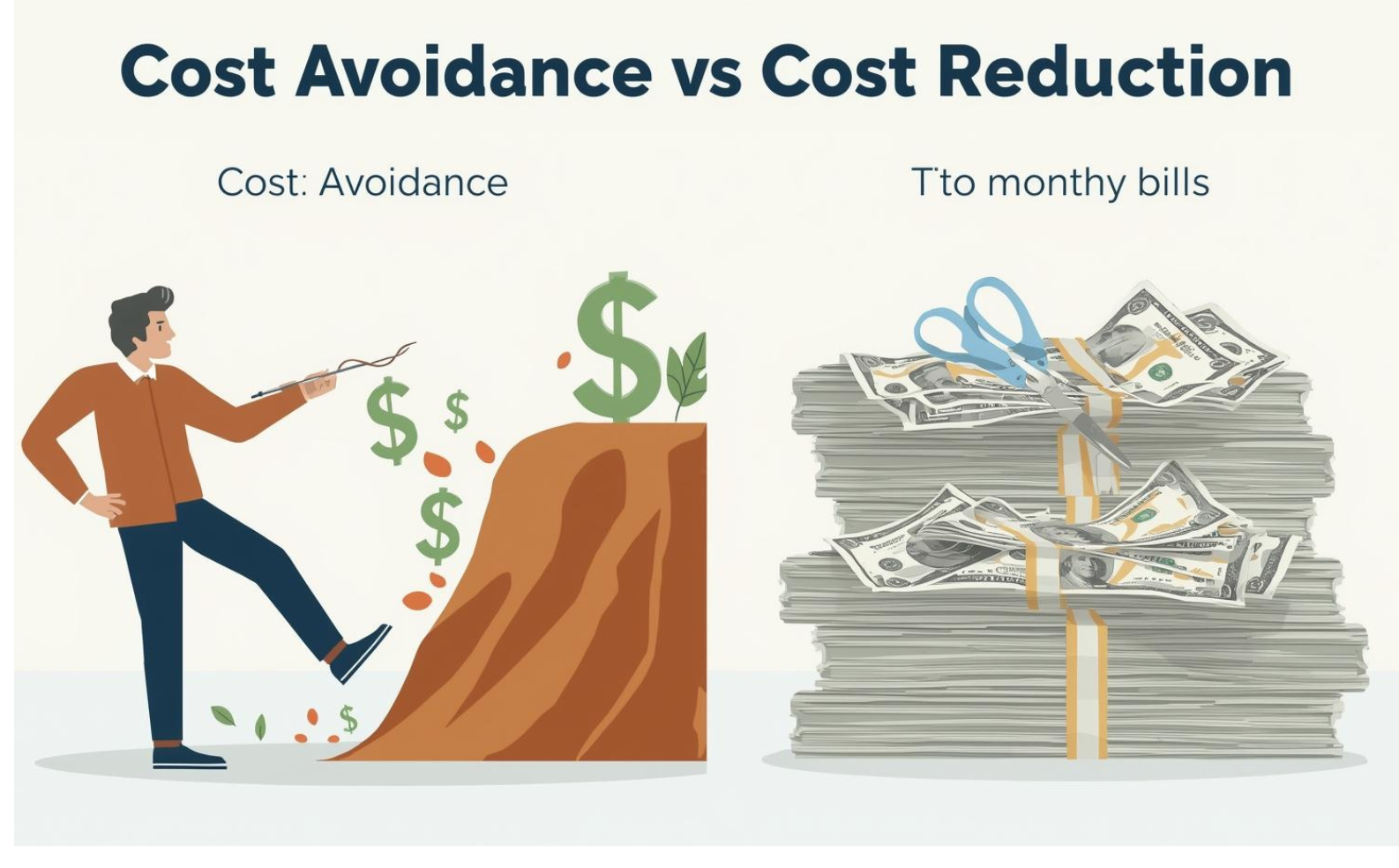
Cost avoidance is like that savvy friend who always knows when to dodge a costly mistake, while cost reduction is more about trimming the fat off your monthly expenses. Both are essential for a healthy budget, but they operate in very different arenas.
Consider a small tech startup that has recently seen its expenses skyrocket due to unexpected software licensing fees. If they had invested in a comprehensive software audit beforehand, they could have avoided these costs entirely — that’s cost avoidance in action. On the flip side, if they decide to cut back on their cloud storage plan to save money, that’s cost reduction. It’s reactive rather than proactive.
Cost avoidance focuses on preventing future expenses, while cost reduction deals with cutting current costs.
The distinction is crucial for purchasing directors and CFOs aiming to optimize budgets without sacrificing quality or efficiency. Cost avoidance strategies can save organizations significant amounts over time—some studies suggest companies can save up to 30% of their operational costs through effective avoidance measures.
Real-World Implications
Let’s say you’re running a mid-sized manufacturing firm and you notice an uptick in equipment failures due to poor maintenance practices. Investing in a regular maintenance schedule would be an example of cost avoidance — preventing those expensive breakdowns before they happen. Meanwhile, if you decide to delay purchasing new machinery to cut this quarter’s budget, that’s just cost reduction; it might save money now but could lead to more significant issues down the line.
- Cost Avoidance: Proactive measures like preventative maintenance.
- Cost Reduction: Reactive cuts like slashing budgets or resources.
What If Scenarios
What if scenarios can illustrate the impact of these two strategies effectively. Imagine your organization faces regulatory changes requiring new compliance measures. If you preemptively invest in compliance training and systems (cost avoidance), you sidestep potential fines and legal headaches later on. Conversely, if you choose to react only when penalties hit (cost reduction), you’re not just facing immediate costs but also reputational damage and operational disruptions.
What if thinking encourages organizations to be forward-looking rather than merely reacting as issues arise—it’s about cultivating a culture where foresight trumps hindsight.
Identifying Potential Cost Drivers in Procurement
Imagine you’re the procurement director for a bustling mid-sized logistics company, and you’ve just been handed a report showing that your operational costs have ballooned by 20% over the last year. Ouch! This isn’t just bad news; it’s a wake-up call. Identifying potential cost drivers in procurement is not merely a task—it’s an essential survival skill.
The reality is that many organizations overlook the nuances of their procurement processes, leading to hidden costs that could easily be avoided. A study from the Institute for Supply Management found that companies can reduce costs by up to 15% simply by analyzing their procurement practices more deeply. So, where do you start?
Common Cost Drivers in Procurement
Let’s break down some common culprits that might be sneaking into your budget like uninvited guests at a party:
- Supplier Pricing Fluctuations: Prices can change due to market demand or raw material costs.
- Inefficient Processes: Outdated systems or manual processes can lead to errors and delays.
- Overstocking or Stockouts: Both scenarios can lead to lost sales or unnecessary storage fees.
- Poor Supplier Relationships: Lack of communication can result in missed discounts or unfavorable terms.
But how do I pinpoint these cost drivers? you might ask. It’s all about digging deeper into your procurement data and asking the right questions. For instance, if you notice recurring late deliveries from a supplier, it could indicate that they’re struggling with their production capabilities—leading to increased costs on your end.
Data-Driven Decision Making
Data-driven decision-making isn’t just a buzzword; it’s a lifeline for identifying cost drivers. By utilizing analytics tools, you can track spending patterns, supplier performance, and inventory levels with laser precision. Consider implementing software solutions that allow for real-time tracking of procurement metrics—this way, you’re not just reacting; you’re anticipating.
Understanding your cost drivers empowers you to implement effective cost avoidance strategies before issues arise.
Engaging Stakeholders
Engaging stakeholders across departments is crucial in this process. Have open dialogues with finance teams about budget constraints and with operations about efficiency challenges. By collaborating, you can create a holistic view of where costs are stemming from and how best to address them.
For example, if your operations team frequently runs out of critical supplies due to poor forecasting, it may lead to emergency purchases at inflated prices. By fostering communication between teams, such scenarios become less likely.
Ultimately, identifying potential cost drivers is an ongoing journey rather than a one-time task. As market conditions shift and business needs evolve, so too should your approach to procurement management.
So next time you’re reviewing expenditures, remember: it’s not just about cutting costs—it’s about smartly avoiding them before they even have the chance to rear their ugly heads!
Leveraging Technology for Proactive Cost Management
Did you know that companies leveraging advanced procurement technologies can reduce costs by up to 20%? That’s not just a number; it’s a game changer. The right tech can transform cost avoidance from a lofty goal into a daily reality.
Consider a mid-sized construction firm that often finds itself scrambling to meet project deadlines due to unexpected material price hikes. Instead of reacting to these price changes, they could implement predictive analytics tools that forecast market trends and pricing fluctuations. By doing so, they can lock in prices ahead of time, avoiding those dreaded last-minute surcharges.
The Power of Predictive Analytics
Predictive analytics is like having a crystal ball for your procurement decisions. It allows companies to analyze historical data and identify patterns that could indicate future costs. For instance, if your data shows that steel prices typically rise in the spring due to increased demand, you can proactively stock up during the winter months when prices are lower.
By anticipating cost increases, businesses can avoid unnecessary expenses and maintain budget integrity.
Automating Procurement Processes
Automation isn’t just about making things faster; it’s about making them smarter. Imagine an organization using automated purchase order systems that trigger when inventory levels hit a certain threshold. This not only eliminates human error but also ensures timely reordering at negotiated rates — preventing those pesky rush charges that pop up when you run out of stock unexpectedly.
- Streamlined ordering processes reduce administrative overhead.
- Automated alerts help avoid stockouts and overstock situations.
- Real-time data access enables informed decision-making on the fly.
Collaboration Tools for Enhanced Visibility
Communication is key might sound cliché, but in procurement, it’s the lifeline for cost avoidance strategies. Utilizing collaboration tools allows teams across departments to share insights about supplier performance, inventory levels, and market conditions in real-time. This cross-functional visibility means purchasing decisions are made with the full context of operational needs and financial constraints.
Establishing Strategic Supplier Relationships
A recent survey revealed that organizations with strong supplier relationships can save up to 15% on procurement costs. Imagine pouring that savings back into innovation or employee bonuses instead of unnecessary expenses. Sounds appealing, right?
Let’s take a look at a mid-sized electronics manufacturer that faced rising costs due to fluctuating component prices. They realized their existing suppliers were not providing the best rates, so they decided to foster deeper relationships with a select few. By collaborating closely with these suppliers, they negotiated better terms and gained insights into upcoming price changes — effectively dodging potential cost spikes.
The Value of Collaboration
Building strategic supplier relationships isn’t just about getting the lowest price; it’s about collaboration and mutual benefit. When suppliers feel valued and invested in your success, they’re more likely to prioritize your needs over competitors’. This could mean faster delivery times, priority access during shortages, or even customized solutions tailored to your specific requirements.
Strong supplier partnerships can lead to innovative solutions that prevent costly delays and inefficiencies.
Avoiding the Pitfalls of Transactional Relationships
Many businesses fall into the trap of treating suppliers as mere vendors — transactional relationships that lack depth. This approach can backfire spectacularly when unexpected issues arise. For instance, a logistics company relying on a single low-cost supplier for critical components found themselves in hot water when that supplier couldn’t meet demand during peak season. Had they diversified their supplier base and established stronger ties with multiple partners, they might have avoided the chaos.
- Invest time in regular communication with key suppliers.
- Share forecasts and business plans to align objectives.
- Engage in joint problem-solving sessions to tackle challenges together.
What If Scenarios
What if scenarios can help you visualize the impact of solid supplier partnerships versus transactional ones. Picture this: you have a sudden spike in demand for your products due to an unexpected market trend. If you’ve nurtured strategic relationships with your suppliers, they might prioritize your orders or offer flexible payment terms to support you during this surge. On the flip side, if you’re merely a number on their list, good luck getting timely support!
Ultimately, establishing strategic supplier relationships is about foresight and collaboration — two key ingredients for effective cost avoidance strategies. So next time you’re reviewing contracts or negotiating terms, remember: it’s not just about price; it’s about partnership.
Creating a Culture of Cost Awareness Across Departments
Imagine a bustling mid-sized marketing agency where the design team orders high-end software licenses without consulting finance, leading to budget overruns. This scenario is all too common, and it highlights the need for a culture of cost awareness across departments. When teams operate in silos, it’s easy to overlook how their decisions impact the bottom line.
Consider this: According to a study by Deloitte, organizations that prioritize cost awareness can reduce operational expenses by up to 20%. That’s not just pocket change; that’s funding for new projects or employee bonuses! Creating a culture where every department understands its financial impact can lead to significant savings.
Fostering Cross-Departmental Communication
One effective way to create this culture is through regular cross-departmental meetings focused on budget discussions. For instance, let’s say your procurement team holds quarterly meetings with marketing and operations. By sharing insights on spending patterns and upcoming needs, all teams can align their strategies and avoid unnecessary costs.
- Encourage departments to share their budgets and forecasts.
- Highlight how one team’s spending affects others.
- Celebrate cost-saving initiatives across the board.
Incentivizing Cost-Conscious Behavior
Incentives can also play a crucial role in promoting cost awareness. For example, consider implementing a reward system where teams receive recognition or bonuses for meeting budget targets or successfully avoiding unnecessary expenses. This not only motivates employees but also fosters a sense of ownership over financial decisions.
Cost awareness isn’t just about cutting corners; it’s about smart spending that benefits everyone.
Training and Resources
Training sessions on budgeting and procurement best practices can be game-changers. Think of it as giving your team the tools they need to make informed choices. A well-informed employee is less likely to make costly decisions out of ignorance.
For instance, if your IT department understands the long-term savings associated with investing in scalable software solutions versus cheaper short-term fixes, they’re more likely to advocate for those investments. This knowledge empowers them to act in the company’s best interest.
Implementing Continuous Improvement Processes
Cost avoidance isn’t a one-time event; it’s a continuous journey. Think of it like maintaining a classic car: regular tune-ups prevent breakdowns and costly repairs down the line. In the world of procurement, implementing continuous improvement processes can keep your expenses in check and your operations running smoothly.
Step 1: Assess Current Practices
Start by taking a hard look at your current procurement practices. What’s working? What’s not? For instance, if your team frequently faces delays in receiving supplies, it might be time to evaluate supplier performance or your ordering processes. Conducting a thorough audit can highlight inefficiencies that are costing you money.
Step 2: Set Clear Objectives
Next, define what success looks like for your cost avoidance efforts. Are you aiming to reduce procurement costs by a specific percentage? Or perhaps you want to decrease lead times for critical supplies? Clear objectives provide direction and motivation for your team.
Step 3: Foster a Culture of Feedback
Feedback is the breakfast of champions—and it’s also the fuel for continuous improvement. Encourage team members to share insights on what’s working and what isn’t. Setting up regular check-ins or feedback sessions can help surface ideas that might lead to significant cost savings.
Step 4: Implement Changes Gradually
Rome wasn’t built in a day, and neither should your cost avoidance strategies be implemented overnight. Start with small changes that can yield quick wins—like renegotiating terms with suppliers or adjusting order quantities based on historical data. Once these changes are in place, monitor their impact before rolling out larger initiatives.
Step 5: Measure and Analyze Results
What gets measured gets managed. Use key performance indicators (KPIs) to track the effectiveness of your cost avoidance strategies over time. Metrics such as supplier delivery times, defect rates, or budget variances will provide insights into whether you’re moving in the right direction.
Risk Management as a Component of Cost Avoidance
Picture this: your organization just dodged a bullet by avoiding a costly lawsuit over compliance issues. How? By implementing a robust risk management strategy that identified potential pitfalls before they became financial nightmares. This is the magic of integrating risk management into your cost avoidance strategy—it’s like having an insurance policy for your budget.
Consider the staggering statistic that nearly 70% of businesses face unexpected costs due to unmanaged risks. That’s money down the drain, and it can take a serious toll on your bottom line. For purchasing directors and CFOs, understanding how risk management plays into cost avoidance isn’t just smart; it’s essential.
Identifying Risks Before They Become Costs
Risk management in procurement isn’t about playing it safe; it’s about being proactive. Let’s say you’re managing a mid-sized logistics company that relies heavily on third-party suppliers for critical components. If you neglect to evaluate those suppliers regularly, you could face delays or price hikes that could have been avoided with proper oversight.
- Supplier Reliability: Assessing the stability and performance history of your suppliers.
- Market Volatility: Keeping an eye on market trends that could affect pricing.
- Regulatory Changes: Staying updated on compliance requirements to avoid fines.
Effective risk management can save organizations up to 30% in unexpected costs.
Building a Risk Management Framework
So how do you build this framework? you might ask. Start with a thorough risk assessment process. Identify potential risks related to procurement, categorize them by likelihood and impact, and develop mitigation strategies accordingly. This proactive stance not only helps in avoiding costs but also fosters a culture of accountability across departments.
- (1) Conduct Risk Assessments: Regularly review supplier performance and market conditions.
- (2) Develop Mitigation Strategies: Create contingency plans for identified risks.
- (3) Train Your Team: Ensure all stakeholders understand their role in managing risks.
What If Scenarios in Risk Management
What if scenarios are powerful tools in risk management. Imagine your organization is faced with a sudden spike in demand due to an unexpected market trend—if you haven’t assessed your supplier’s ability to scale production, you might find yourself scrambling at inflated prices or worse, losing customers due to stockouts.
Incorporating these scenarios into regular discussions will help foster foresight rather than hindsight—turning potential crises into manageable situations before they hit your budget.
Ultimately, integrating risk management into your cost avoidance strategies is not just beneficial; it’s imperative for long-term financial health. So take a moment to assess how well you’re managing risks today—because tomorrow’s savings depend on today’s proactive measures!
Measuring the Effectiveness of Cost Avoidance Strategies
Imagine spending thousands on a new software solution only to realize later that it didn’t solve your problem. Frustrating, right? Measuring the effectiveness of cost avoidance strategies can feel just as elusive. But without a clear gauge, how can you tell if your proactive efforts are actually paying off?
Consider a mid-sized healthcare provider that invested in preventive training for its staff to avoid costly compliance penalties. Initially, they might not see immediate financial benefits, but tracking specific metrics can reveal the true value of their investment over time.
Key Performance Indicators (KPIs) for Cost Avoidance
KPIs are your trusty compass in the vast sea of cost avoidance. Here are some essential metrics to keep an eye on:
- Reduction in unexpected expenses: Track how much you’ve saved by avoiding costs.
- Compliance incident frequency: Measure how often compliance issues arise after implementing training.
- Supplier performance metrics: Evaluate delivery times and quality improvements post-engagement.
- Employee productivity rates: Assess whether proactive measures have led to increased efficiency.
Tracking these KPIs will help you understand the impact of your cost avoidance strategies.
Gathering Feedback and Insights
Data is great, but it’s only half the story. Engaging with stakeholders—like team leads from finance and operations—can provide qualitative insights into how well your strategies are working. Regular feedback sessions can uncover hidden issues or successes that numbers alone might miss.
For instance, if your procurement team notices fewer rush orders due to improved supplier relationships, that’s a win worth celebrating! It’s all about connecting those dots between data and real-world outcomes.
Conducting Post-Implementation Reviews
Once you’ve rolled out a new cost avoidance strategy, it’s crucial to conduct a post-implementation review. This is where you analyze what worked, what didn’t, and why. Think of it as an autopsy for your strategy—without the creepy vibes!
Did your preventive maintenance schedule actually reduce equipment failures? Or did those new software licenses lead to more headaches than savings? Documenting these findings will help refine future strategies and create a culture of continuous improvement.
In summary, measuring the effectiveness of cost avoidance strategies requires a blend of quantitative data and qualitative insights. By focusing on KPIs, gathering feedback from stakeholders, and conducting thorough reviews post-implementation, purchasing directors and CFOs can ensure their efforts translate into real savings. So next time you implement a strategy, don’t forget to check back in on its performance!