One-off purchases, especially in clothing shopping, refer to last-minute buys made for a specific event or need without much prior planning. These items usually serve a single purpose and are often chosen under pressure, rather than through thoughtful consideration of your style or wardrobe needs.
You’ve likely experienced this: scrambling to find an outfit the night before an event, rushing into a store, or clicking “buy now” online just to fill that urgent gap. These spontaneous decisions can quickly turn into time wasting moments and lead to unnecessary spending.
The impact of one-off purchases goes beyond the immediate convenience—they often result in regret, cluttered closets, and repeated cycles of panic shopping. This article focuses on how to stop wasting time on one-off purchases, offering practical strategies to improve your shopping habits while saving both time and money.
Understanding the Problem with One-Off Purchases
One-off purchases often happen under pressure, a phenomenon commonly known as panic shopping. When you face an upcoming event or last-minute need, stress can cloud your judgment. The urgency pushes you to make quick decisions without the usual care or consideration you might give to your wardrobe choices. This rush increases the risk of buying items that don’t truly fit your body or style.
Why Panic Shopping Happens
Panic shopping frequently results in:
- Poor fit: You might grab a garment simply because it’s available, ignoring whether it flatters your shape or feels comfortable. Trying to solve an immediate problem makes it easy to overlook sizing issues.
- Style mismatch: Last-minute buys often clash with your existing wardrobe. Instead of enhancing your style, these pieces stand out awkwardly, making outfit coordination frustrating.
Emotions play a big role in impulsive buying behavior. Feelings like guilt for not having planned ahead or superficial thoughts about needing a “quick fix” outfit push you into unnecessary purchases. These emotional triggers override practical thinking, encouraging you to buy clothes that aren’t genuinely needed or wanted.
The Dangers of Tunnel Vision
A common pitfall in one-off shopping is what can be called tunnel vision—focusing exclusively on solving an immediate need rather than considering how the new piece fits into your long-term wardrobe strategy. This narrow focus means you’re less likely to evaluate if the item complements other clothes or if it will serve multiple occasions in the future.
The combination of emotional pressure and tunnel vision leads to impulse buys that rarely become favorites. Instead, they add clutter and confusion, making daily dressing more complicated and time-consuming later on. Recognizing this pattern is key to breaking free from the cycle of wasted time and money caused by one-off clothing purchases.
Consequences of Last-Minute Shopping
One-off purchases often lead to a wardrobe filled with occasion-specific clothing that rarely gets worn outside the event it was bought for. This lack of versatility creates what many call wardrobe confusion—a closet crowded with pieces that don’t work well together. When your collection is patchy and disconnected, assembling outfits becomes a daily challenge rather than a simple routine.
Trying to coordinate last-minute buys with your existing clothes usually results in frustration. New items bought under pressure may clash with your staple pieces or require additional purchases to make them work. This cycle wastes not only money but also valuable time spent figuring out how to fit these isolated pieces into your personal style.
Impulse-driven shopping habits increase the time you spend deciding what to wear every day. Instead of having reliable go-to outfits, you wrestle with mismatched items and outfit dilemmas more often. This constant uncertainty can drain your confidence and add unnecessary stress to your mornings.
The financial cost attached to last-minute shopping goes beyond the price tag on impulse buys. Frequently, these purchases aren’t investment pieces; they tend to be lower-quality or trend-based items that wear out quickly or fall out of favor fast. Wasted money accumulates as you replace ill-fitting or unsuitable clothing more often than if you planned thoughtfully.
Emotional stress also builds when you rely heavily on panic buying. The cycle of rushing to fill a wardrobe gap, feeling disappointed in choices, then scrambling again for the next event can feel exhausting and overwhelming. This reactive approach keeps you trapped in a loop where time, money, and peace of mind are all compromised.
“Last-minute shopping might solve an immediate problem but creates bigger ones down the road — from cluttered closets to stressed mornings and empty wallets.”
Recognizing these consequences helps you see why breaking free from impulsive buying is crucial for both your style and sanity.
Strategies to Stop Wasting Time on One-Off Purchases
1. Planning Ahead for Special Events
One of the most effective ways to stop wasting time on one-off purchases is by planning ahead for special events. Early awareness gives you the advantage of time—time to make thoughtful choices rather than rushed decisions driven by panic or stress. This proactive approach reduces the pressure to find a last-minute outfit that simply fills a need, helping you avoid impulsive buys that don’t truly fit your style or wardrobe.
You can start by maintaining an event calendar that marks all upcoming occasions requiring specific attire. Regularly checking this calendar will help you identify when you need to prepare an outfit in advance.
Follow this step-by-step approach to outfit planning:
-
Mark the Event Date
Note the event well in advance on your calendar, whether it’s a wedding, work function, or casual gathering. -
Understand the Dress Code
Confirm the expected dress code—formal, semi-formal, business casual, or casual—and keep this information accessible. -
Check Weather Forecasts
Consider climate and weather conditions for the day of the event. This ensures your planned outfit is practical as well as stylish. -
Review Your Wardrobe
Assess what you already own that fits the dress code and weather requirements. This prevents redundant purchases. -
Create Outfit Combinations
Experiment with mixing and matching versatile pieces from your closet to create a complete look. -
Identify Gaps Early
If something is missing (e.g., a blazer, shoes, or accessories), schedule shopping trips ahead of time so you can purchase without pressure. -
Prepare Your Outfit in Advance
Lay out your entire outfit including accessories a day or two before the event to avoid any last-minute scrambling.
Using these steps transforms outfit readiness into a manageable task rather than a stressful scramble. It also supports better decision-making focused on long-term wardrobe cohesion instead of quick fixes.
This method promotes wardrobe planning and event preparation as essential tools to reduce stress and cut down wasted time on impulse purchases triggered by looming deadlines.
2. Building a Versatile Wardrobe That Works for You
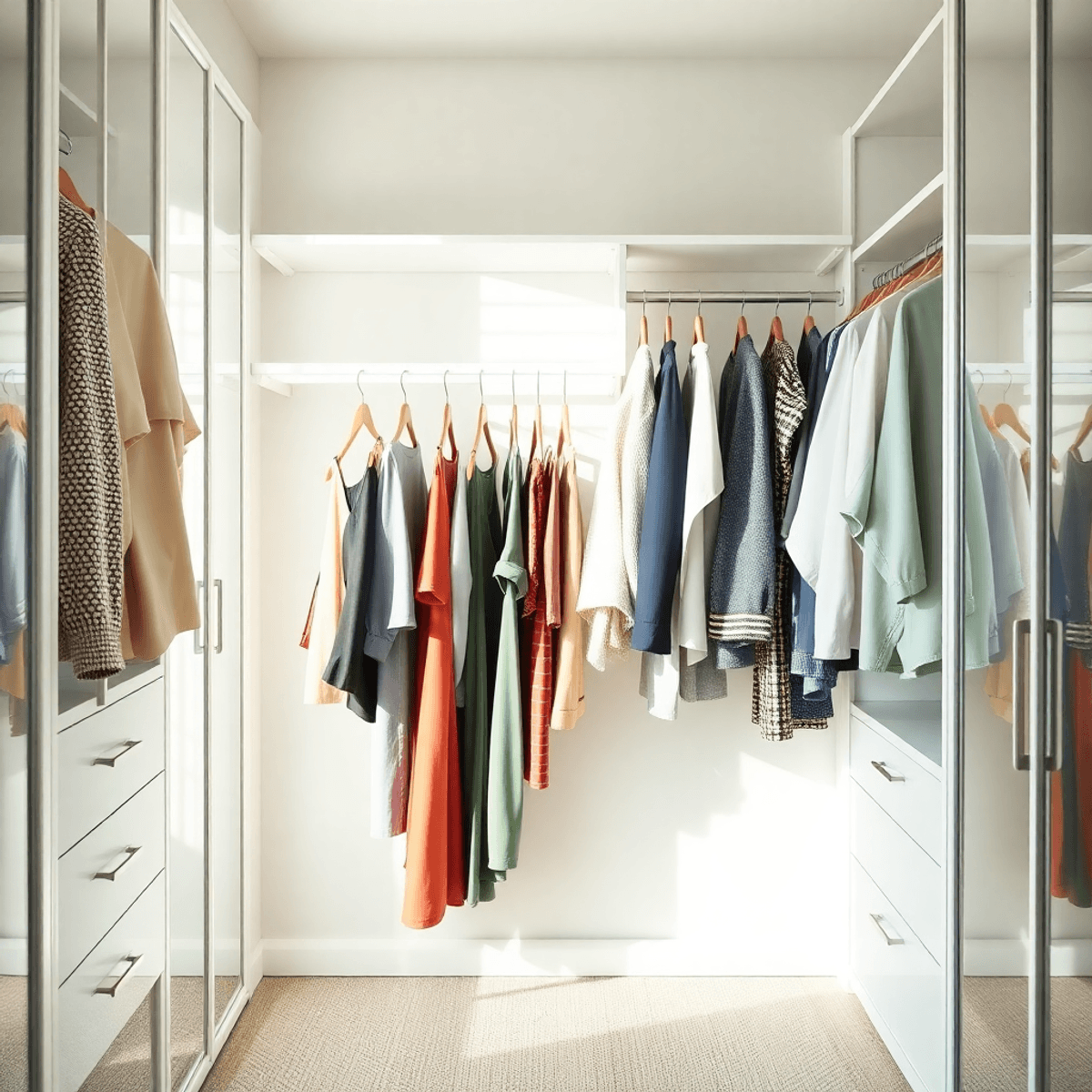
Effective wardrobe planning is a key strategy to stop wasting time on random purchases. Developing a collection of versatile clothing reduces the need for last-minute shopping and helps you stay prepared for any event on your calendar. A capsule wardrobe is a practical approach that simplifies your choices and enhances outfit readiness.
What is a Capsule Wardrobe?
A capsule wardrobe consists of a limited number of essential, timeless pieces that coordinate well with each other. This concept promotes quality over quantity and encourages thoughtful selection of items that can be mixed and matched to create numerous outfits. The flexibility inherent in this method means you won’t rely on impulsive or occasion-specific buys.
Benefits of a Capsule Wardrobe for Event Preparation
- Minimizes urgency: by having go-to options available at all times.
- Encourages event calendar awareness, prompting you to plan outfits well before special occasions.
- Reduces emotional stress linked with hurried decisions because your clothing collection already supports multiple looks.
- Streamlines daily dressing, cutting down time spent deciding what works together.
Tips for Choosing Versatile Pieces
- Focus on Neutral Colors: Select basics in neutral tones like black, white, navy, grey, or beige. These colors pair easily, allowing you to combine items without clashing.
- Prioritize Quality Fabrics: Durable materials extend the lifespan of garments, saving money in the long run while maintaining polished appearance.
- Select Classic Styles: Avoid faddish trends when building your base wardrobe; classic cuts translate across seasons and events.
- Incorporate Layering Pieces: Blazers, cardigans, and scarves provide adaptability to different climates and dress codes.
- Choose Multi-Purpose Footwear: Shoes that work both casually and formally reduce clutter and simplify outfit combinations.
- Include Statement Accessories: Carefully picked accessories can alter the mood of an outfit without requiring new clothes.
Regularly Review Your Event Calendar
Keeping an updated event calendar is crucial for proactive wardrobe planning. By regularly reviewing upcoming engagements:
- You anticipate clothing needs in advance
- Avoid last-minute scrambles for appropriate attire
- Ensure your versatile pieces align with specific dress codes or weather conditions
Integrating outfit planning into your routine reduces impulse purchases triggered by looming deadlines or unexpected invitations.
Developing a versatile wardrobe tailored to your lifestyle provides a foundation that supports confident dressing every day while cutting down unnecessary spending and decision fatigue. This proactive approach aligns perfectly with strategies designed to help you stop wasting time on one-off purchases by focusing on thoughtful preparation and smart choices instead of reactive shopping behavior.
3. Keeping Ready-to-Wear Options for Last-Minute Occasions Without Compromising Style or Comfort
Wardrobe planning goes beyond building a versatile collection of clothing. It includes preparing ready-to-wear outfits specifically designed to reduce stress when spontaneous events pop up. Having a small but reliable selection of emergency outfits can dramatically cut down decision fatigue and stop wasting time on one-off purchases.
Regularly reviewing your event calendar helps you anticipate upcoming occasions—whether casual parties, unexpected dinners, or informal meetings. This proactive approach allows you to plan outfit readiness in advance rather than scrambling at the last minute.
Key benefits of keeping ready-to-wear options:
- Minimizes panic shopping by ensuring you always have something stylish and appropriate available.
- Saves time deciding what to wear during busy or stressful days.
- Reduces the temptation to buy impulsively under pressure.
Designing your go-to outfits involves selecting pieces that balance style, comfort, and adaptability. These options should fit well with your existing wardrobe and suit multiple scenarios without requiring extra accessorizing or layering.
Examples of versatile ready-to-wear options include:
- A classic blazer paired with dark jeans or tailored trousers—works for casual parties, work events, or dinner plans.
- A simple yet elegant dress in a neutral tone—can be dressed up with heels or kept casual with flats.
- Well-fitted button-down shirts layered over a basic tee—ideal for a variety of settings from brunches to informal meetings.
- Comfortable yet polished footwear such as loafers or ankle boots that transition smoothly between day and night events.
By integrating these outfits into your wardrobe planning routine, you create a buffer against last-minute stress without compromising your style. This strategy supports stress reduction by offering reliable choices when spontaneity strikes, making event preparation feel manageable rather than overwhelming.
Focusing on outfit planning tied closely to your event calendar enhances your ability to dress confidently at all times. When you’re prepared with versatile clothing ready to go, one-off purchases lose their appeal because urgent needs are already accounted for within your existing wardrobe framework.
Additional Tips Beyond Wardrobe Strategies That Can Help You Break Free from Impulsive Buying Habits Once and For All!
Breaking free from impulsive buying requires more than just organizing your wardrobe. Developing mindful shopping practices is essential to change how you approach clothing purchases.
Identify Your Triggers
Recognize the emotions or situations that push you toward last-minute buys. Stress, boredom, or even social media influence can prompt impulsive decisions. When you catch yourself feeling these urges, pause and ask: Do I really need this item? This moment of reflection often prevents unnecessary purchases.
Question Every Purchase
Before adding an item to your cart or picking it off the rack, consider its role in your existing wardrobe. Ask:
- Will this piece complement what I already own?
- Is it versatile enough to wear multiple times?
- Does it fit my style for the long term, or is it just a fleeting impulse?
Set a Clothing Budget
Allocating a specific amount for clothing each month or season curbs overspending. Budgets encourage thoughtful selections rather than spontaneous splurges. When you track your spending, you gain control over your finances and reduce stress related to unplanned expenses.
Prioritize Quality Over Quantity
Investing in well-made garments that last longer saves money and reduces clutter. High-quality pieces maintain their shape, color, and comfort through repeated wear and washing. Rather than buying many cheap items that wear out quickly, focus on select items that provide lasting value.
Keep a Wishlist Instead of Immediate Purchases
If you feel tempted by something outside your plan, add it to a wishlist instead of buying right away. Revisit this list after a cooling-off period—often days or weeks—to determine if the desire remains. This strategy slows down impulsive shopping and shifts decision-making into a calmer mindset.
Use Shopping as a Reward, Not a Solution
Avoid using shopping to cope with negative feelings or stress. Instead, treat thoughtful purchases as rewards for achieving personal goals or milestones. This reframes the act of buying clothes into a positive reinforcement rather than an emotional escape.
Embracing mindful shopping practices empowers you to make choices aligned with your style, budget, and lifestyle needs—helping you break free from impulsive habits that drain time and resources.
Conclusion
Taking control of your wardrobe and shopping habits transforms the way you approach dressing. By adopting proactive strategies, you effectively stop wasting time on one-off purchases and gain a more streamlined, enjoyable experience.
Key actions include:
- Planning your wardrobe well ahead of special events to avoid panic-induced decisions
- Preparing outfits in advance, factoring in dress codes and weather conditions
- Building a versatile closet with pieces that mix and match effortlessly
- Keeping ready-to-wear options for spontaneous occasions without sacrificing style or comfort
These practices empower you to achieve confident dressing every day. You save time by reducing the stress of last-minute rushes and avoid the frustration of mismatched or seldom-worn items. This approach not only enhances your personal style but also preserves your time management skills.
Embrace these habits as part of your routine. They help you move away from impulsive buys driven by emotional triggers and focus instead on thoughtful, quality choices that truly serve your lifestyle and taste. Your wardrobe becomes a reliable ally, supporting confidence and ease—no matter what events or surprises come your way.