
Applied Industrial Technologies: Your Guide to B2B Industrial Supply Solutions
Understanding the Landscape of Applied Industrial Technologies
Did you know that over 70% of manufacturers report a skills gap in applied industrial technologies? That's right—while we’re living in an age of automation, many companies are still struggling to find the right talent to harness it. This isn’t just a statistic; it’s a wake-up call for businesses that want to stay competitive.
Applied industrial technologies encompass a wide range of tools and practices that enhance productivity and efficiency in manufacturing and supply chains. But let’s be real: navigating this landscape can feel like trying to find your way through a foggy maze while blindfolded. From robotics and automation to IoT devices, the options can be overwhelming.
The Role of Automation
Automation isn’t just about replacing human labor; it’s about augmenting capabilities. Take, for instance, a mid-sized automotive parts manufacturer that integrated robotics into their assembly line. Not only did they reduce production time by 30%, but they also improved product quality due to the precision that robots offer. This is the kind of leap forward that applied industrial technologies can facilitate.
Data-Driven Decisions
In this digital age, data is your best friend—or your worst enemy if you don’t know how to use it. Companies leveraging applied industrial technologies are using data analytics to drive decisions, optimize processes, and predict maintenance needs before they become costly breakdowns. Imagine having access to real-time data on equipment performance; it allows you to make proactive changes rather than reactive fixes.
- Predictive maintenance reduces downtime.
- Real-time monitoring enhances operational efficiency.
- Data analytics informs better supply chain management.
Key takeaway: Embracing applied industrial technologies isn't just about keeping up—it's about getting ahead.
The Human Element in Technology Adoption
'Tech for tech's sake' is a common pitfall many businesses face. The most successful implementations consider the human element—training employees not only on how to use new technology but also on why it's essential for the company’s future. A well-trained workforce can adapt more quickly and effectively, ensuring that the investment in technology pays off.
Did you know that over 70% of manufacturers report a skills gap in applied industrial technologies? That's right—while we’re living in an age of automation, many companies are still struggling to find the right talent to harness it. This isn’t just a statistic; it’s a wake-up call for businesses that want to stay competitive.
Applied industrial technologies encompass a wide range of tools and practices that enhance productivity and efficiency in manufacturing and supply chains. But let’s be real: navigating this landscape can feel like trying to find your way through a foggy maze while blindfolded. From robotics and automation to IoT devices, the options can be overwhelming.
The Role of Automation
Automation isn’t just about replacing human labor; it’s about augmenting capabilities. Take, for instance, a mid-sized automotive parts manufacturer that integrated robotics into their assembly line. Not only did they reduce production time by 30%, but they also improved product quality due to the precision that robots offer. This is the kind of leap forward that applied industrial technologies can facilitate.
Data-Driven Decisions
In this digital age, data is your best friend—or your worst enemy if you don’t know how to use it. Companies leveraging applied industrial technologies are using data analytics to drive decisions, optimize processes, and predict maintenance needs before they become costly breakdowns. Imagine having access to real-time data on equipment performance; it allows you to make proactive changes rather than reactive fixes.
- Predictive maintenance reduces downtime.
- Real-time monitoring enhances operational efficiency.
- Data analytics informs better supply chain management.
Key takeaway: Embracing applied industrial technologies isn't just about keeping up—it's about getting ahead.
The Human Element in Technology Adoption
'Tech for tech's sake' is a common pitfall many businesses face. The most successful implementations consider the human element—training employees not only on how to use new technology but also on why it's essential for the company’s future. A well-trained workforce can adapt more quickly and effectively, ensuring that the investment in technology pays off.
Identifying Core Components of Industrial Supply Solutions
Let’s face it: choosing the right industrial supply solutions can feel like shopping for a new car while blindfolded. You know you need reliable performance, but the options can be dizzying. With applied industrial technologies evolving at breakneck speed, it’s crucial to identify the core components that will actually drive your business forward.
Understanding Your Needs
The first step is understanding your specific needs. Are you a manufacturer looking to streamline operations, or a construction company needing robust supply chains? For instance, a mid-sized packaging firm might prioritize materials management and inventory control, while an automotive supplier may focus on precision tools and automation technologies. Knowing what you need helps narrow down your options.
Key Components to Consider
- Quality of Materials: Ensure that the suppliers provide high-grade materials that meet industry standards.
- Technological Integration: Look for solutions that seamlessly integrate with existing systems for better data flow.
- Supplier Reliability: Choose suppliers known for their timely delivery and consistent quality.
- Cost Efficiency: Evaluate total cost of ownership rather than just upfront costs.
Cost efficiency can be a slippery slope. A cheaper option might save you money today but could lead to costly downtimes tomorrow. For example, consider a logistics company that opted for lower-quality parts; they ended up spending more on repairs than they saved on initial purchases. The moral? Sometimes, you really do get what you pay for.
Just-in-Time vs Just-in-Case
Just-in-time inventory systems can be fantastic for reducing waste but come with risks—especially if there’s a hiccup in the supply chain. On the other hand, just-in-case strategies might mean holding onto excess stock but can safeguard against unexpected disruptions. A food processing plant faced delays due to supplier issues; their just-in-case approach allowed them to keep production running smoothly while others scrambled.
Applied industrial technologies are not just tools—they’re enablers of strategic decisions.
So what’s next? Start mapping out your requirements and aligning them with potential suppliers who understand your industry landscape. Ask tough questions and don’t settle for cookie-cutter solutions—your business deserves tailored strategies that leverage applied industrial technologies effectively.
Let’s face it: choosing the right industrial supply solutions can feel like shopping for a new car while blindfolded. You know you need reliable performance, but the options can be dizzying. With applied industrial technologies evolving at breakneck speed, it’s crucial to identify the core components that will actually drive your business forward.
Understanding Your Needs
The first step is understanding your specific needs. Are you a manufacturer looking to streamline operations, or a construction company needing robust supply chains? For instance, a mid-sized packaging firm might prioritize materials management and inventory control, while an automotive supplier may focus on precision tools and automation technologies. Knowing what you need helps narrow down your options.
Key Components to Consider
- Quality of Materials: Ensure that the suppliers provide high-grade materials that meet industry standards.
- Technological Integration: Look for solutions that seamlessly integrate with existing systems for better data flow.
- Supplier Reliability: Choose suppliers known for their timely delivery and consistent quality.
- Cost Efficiency: Evaluate total cost of ownership rather than just upfront costs.
Cost efficiency can be a slippery slope. A cheaper option might save you money today but could lead to costly downtimes tomorrow. For example, consider a logistics company that opted for lower-quality parts; they ended up spending more on repairs than they saved on initial purchases. The moral? Sometimes, you really do get what you pay for.
Just-in-Time vs Just-in-Case
Just-in-time inventory systems can be fantastic for reducing waste but come with risks—especially if there’s a hiccup in the supply chain. On the other hand, just-in-case strategies might mean holding onto excess stock but can safeguard against unexpected disruptions. A food processing plant faced delays due to supplier issues; their just-in-case approach allowed them to keep production running smoothly while others scrambled.
Applied industrial technologies are not just tools—they’re enablers of strategic decisions.
So what’s next? Start mapping out your requirements and aligning them with potential suppliers who understand your industry landscape. Ask tough questions and don’t settle for cookie-cutter solutions—your business deserves tailored strategies that leverage applied industrial technologies effectively.
Evaluating Supplier Capabilities and Reliability
Imagine this: you’ve just secured a major contract, and your production line is ready to roll. But wait—your supplier can’t deliver the necessary components on time. Panic sets in as you realize that a single hiccup in your supply chain could derail your entire operation. This isn’t just a nightmare; it’s a reality for many businesses relying on applied industrial technologies.
Evaluating supplier capabilities and reliability is not just an exercise in due diligence; it’s a strategic necessity. A study by the Institute for Supply Management found that 79% of companies experienced supply chain disruptions due to unreliable suppliers. If that doesn’t raise red flags, what will?
Assessing Supplier Performance
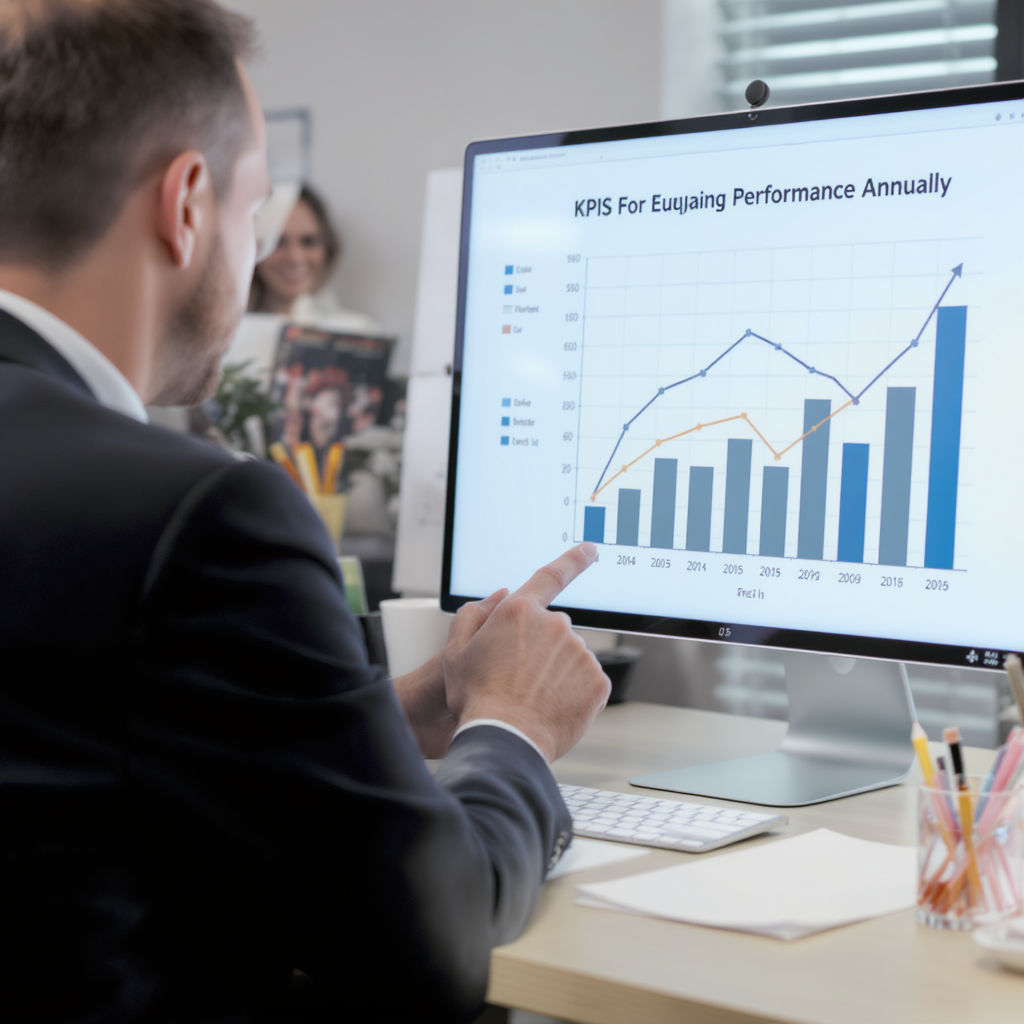
To avoid being caught off guard, start by assessing your potential suppliers’ performance metrics. Are they consistently meeting delivery deadlines? Do they have a history of quality issues? For instance, consider a mid-sized machinery manufacturer that regularly evaluates its suppliers based on key performance indicators (KPIs) such as on-time delivery rates and defect rates. By keeping track of these metrics, they can make informed decisions about which suppliers to trust.
- On-time delivery rates: How often do they meet deadlines?
- Quality control measures: What processes are in place to ensure product quality?
- Customer service responsiveness: How quickly do they resolve issues?
Supplier Financial Stability
You wouldn’t buy a car without checking its engine, right? The same principle applies here. A supplier’s financial health can be an indicator of their reliability. A financially stable supplier is less likely to face disruptions that could affect your operations. Look for signs such as consistent revenue growth or solid credit ratings.
Tip: Consider using financial analysis tools or reports to assess potential suppliers' financial stability before making commitments.
Just-in-Time vs Just-in-Case Strategies
Just-in-time inventory strategies can streamline operations but rely heavily on supplier reliability. Conversely, just-in-case strategies may mean holding more inventory but can provide a buffer against unexpected disruptions. A food processing company once switched from just-in-time to just-in-case after experiencing delays from their main ingredient supplier during peak season—this change allowed them to maintain production and avoid costly downtime.
Ultimately, evaluating supplier capabilities means digging deeper than surface-level promises. It’s about asking the tough questions, demanding transparency, and ensuring that the partners you choose align with your operational goals.
Imagine this: you’ve just secured a major contract, and your production line is ready to roll. But wait—your supplier can’t deliver the necessary components on time. Panic sets in as you realize that a single hiccup in your supply chain could derail your entire operation. This isn’t just a nightmare; it’s a reality for many businesses relying on applied industrial technologies.
Evaluating supplier capabilities and reliability is not just an exercise in due diligence; it’s a strategic necessity. A study by the Institute for Supply Management found that 79% of companies experienced supply chain disruptions due to unreliable suppliers. If that doesn’t raise red flags, what will?
Assessing Supplier Performance
To avoid being caught off guard, start by assessing your potential suppliers’ performance metrics. Are they consistently meeting delivery deadlines? Do they have a history of quality issues? For instance, consider a mid-sized machinery manufacturer that regularly evaluates its suppliers based on key performance indicators (KPIs) such as on-time delivery rates and defect rates. By keeping track of these metrics, they can make informed decisions about which suppliers to trust.
- On-time delivery rates: How often do they meet deadlines?
- Quality control measures: What processes are in place to ensure product quality?
- Customer service responsiveness: How quickly do they resolve issues?
Supplier Financial Stability
You wouldn’t buy a car without checking its engine, right? The same principle applies here. A supplier’s financial health can be an indicator of their reliability. A financially stable supplier is less likely to face disruptions that could affect your operations. Look for signs such as consistent revenue growth or solid credit ratings.
Tip: Consider using financial analysis tools or reports to assess potential suppliers' financial stability before making commitments.
Just-in-Time vs Just-in-Case Strategies
Just-in-time inventory strategies can streamline operations but rely heavily on supplier reliability. Conversely, just-in-case strategies may mean holding more inventory but can provide a buffer against unexpected disruptions. A food processing company once switched from just-in-time to just-in-case after experiencing delays from their main ingredient supplier during peak season—this change allowed them to maintain production and avoid costly downtime.
Ultimately, evaluating supplier capabilities means digging deeper than surface-level promises. It’s about asking the tough questions, demanding transparency, and ensuring that the partners you choose align with your operational goals.
Leveraging Data Analytics in Procurement Processes
Imagine your procurement department armed with insights so sharp they could slice through inefficiencies like a hot knife through butter. That’s the power of data analytics in procurement—a game changer for businesses leveraging applied industrial technologies.
Consider a mid-sized electronics manufacturer that was drowning in paperwork and vendor communications. They decided to implement a data analytics platform that not only streamlined their procurement processes but also provided actionable insights into supplier performance and inventory levels. As a result, they cut their procurement cycle time by 40% and saved thousands in operational costs.
Understanding the Data Landscape
The first step in leveraging data analytics is understanding what data you have at your disposal. This includes everything from purchase orders and supplier contracts to inventory levels and historical pricing trends. By gathering this information, you can start to identify patterns and make informed decisions.
- Supplier performance metrics: Analyze delivery times, quality issues, and responsiveness.
- Cost analysis: Track historical prices to negotiate better deals.
- Inventory turnover rates: Understand how quickly products are moving to optimize stock levels.
Predictive Analytics: The Crystal Ball of Procurement
What if scenarios become what is with predictive analytics. Imagine being able to forecast demand spikes or identify when a supplier might fall short before it happens. This kind of foresight allows businesses to remain agile and prepared for market fluctuations.
'Data-driven procurement isn't just about saving money—it's about enabling smarter decisions.'
A leading automotive parts supplier implemented predictive analytics and discovered they could reduce excess inventory by 25% while ensuring they had the right parts available when needed. This not only freed up cash flow but also improved customer satisfaction.
Real-Time Monitoring for Agile Procurement
Imagine your procurement department armed with insights so sharp they could slice through inefficiencies like a hot knife through butter. That’s the power of data analytics in procurement—a game changer for businesses leveraging applied industrial technologies.
Consider a mid-sized electronics manufacturer that was drowning in paperwork and vendor communications. They decided to implement a data analytics platform that not only streamlined their procurement processes but also provided actionable insights into supplier performance and inventory levels. As a result, they cut their procurement cycle time by 40% and saved thousands in operational costs.
Understanding the Data Landscape
The first step in leveraging data analytics is understanding what data you have at your disposal. This includes everything from purchase orders and supplier contracts to inventory levels and historical pricing trends. By gathering this information, you can start to identify patterns and make informed decisions.
- Supplier performance metrics: Analyze delivery times, quality issues, and responsiveness.
- Cost analysis: Track historical prices to negotiate better deals.
- Inventory turnover rates: Understand how quickly products are moving to optimize stock levels.
Predictive Analytics: The Crystal Ball of Procurement
What if scenarios become what is with predictive analytics. Imagine being able to forecast demand spikes or identify when a supplier might fall short before it happens. This kind of foresight allows businesses to remain agile and prepared for market fluctuations.
'Data-driven procurement isn't just about saving money—it's about enabling smarter decisions.'
A leading automotive parts supplier implemented predictive analytics and discovered they could reduce excess inventory by 25% while ensuring they had the right parts available when needed. This not only freed up cash flow but also improved customer satisfaction.
Real-Time Monitoring for Agile Procurement
Integrating Sustainability into Supply Chain Management
If you think sustainability is just a buzzword tossed around in corporate meetings, think again. A staggering 66% of consumers are willing to pay more for sustainable products, according to a recent Nielsen report. This isn't just a trend—it's a shift that businesses can no longer afford to ignore.
Imagine a mid-sized manufacturing company that prides itself on quality but struggles with rising costs and negative environmental impact. They decide to integrate sustainability into their supply chain management, and the results are nothing short of transformative. By sourcing eco-friendly materials and optimizing logistics to reduce carbon emissions, they not only cut costs but also enhanced their brand reputation.
The Cost-Benefit Equation
Integrating sustainability isn't just an ethical move; it can also be financially savvy. Consider this: companies that adopt sustainable practices often see reduced operational costs due to lower energy usage and waste disposal fees. For instance, an industrial equipment supplier revamped its packaging process to use biodegradable materials, leading to a 20% reduction in shipping costs due to lighter weights and less waste.
- Lower energy consumption through efficient processes.
- Reduced waste leading to lower disposal costs.
- Enhanced brand loyalty from eco-conscious consumers.
'Sustainability is not just an obligation; it's an opportunity.'
Green Supplier Selection
Choosing the right suppliers is like dating—you want someone who shares your values. When evaluating suppliers, consider their sustainability practices as part of your criteria. A company that prioritizes eco-friendly materials and ethical labor practices can help elevate your own sustainability goals.
| Supplier | % Sustainable Practices | % Cost Increase |
|---|---|---|
| EcoTech Supplies | 90 | 5 |
| Green Materials Co. | 85 | 10 |
| Standard Parts Inc. | 30 |
The road to sustainability is paved with collaboration. Engage with suppliers about their practices and work together on initiatives that benefit both parties. This could mean joint investments in greener technologies or shared logistics strategies aimed at reducing carbon footprints.
Measuring Your Impact
What gets measured gets managed. Establish key performance indicators (KPIs) for tracking the effectiveness of your sustainability initiatives within the supply chain. Metrics could include carbon emissions reductions, waste diversion rates, or improvements in energy efficiency.
If you think sustainability is just a buzzword tossed around in corporate meetings, think again. A staggering 66% of consumers are willing to pay more for sustainable products, according to a recent Nielsen report. This isn't just a trend—it's a shift that businesses can no longer afford to ignore.
Imagine a mid-sized manufacturing company that prides itself on quality but struggles with rising costs and negative environmental impact. They decide to integrate sustainability into their supply chain management, and the results are nothing short of transformative. By sourcing eco-friendly materials and optimizing logistics to reduce carbon emissions, they not only cut costs but also enhanced their brand reputation.
The Cost-Benefit Equation
Integrating sustainability isn't just an ethical move; it can also be financially savvy. Consider this: companies that adopt sustainable practices often see reduced operational costs due to lower energy usage and waste disposal fees. For instance, an industrial equipment supplier revamped its packaging process to use biodegradable materials, leading to a 20% reduction in shipping costs due to lighter weights and less waste.
- Lower energy consumption through efficient processes.
- Reduced waste leading to lower disposal costs.
- Enhanced brand loyalty from eco-conscious consumers.
'Sustainability is not just an obligation; it's an opportunity.'
Green Supplier Selection
Choosing the right suppliers is like dating—you want someone who shares your values. When evaluating suppliers, consider their sustainability practices as part of your criteria. A company that prioritizes eco-friendly materials and ethical labor practices can help elevate your own sustainability goals.
| Supplier | % Sustainable Practices | % Cost Increase |
|---|---|---|
| EcoTech Supplies | 90 | 5 |
| Green Materials Co. | 85 | 10 |
| Standard Parts Inc. | 30 |
The road to sustainability is paved with collaboration. Engage with suppliers about their practices and work together on initiatives that benefit both parties. This could mean joint investments in greener technologies or shared logistics strategies aimed at reducing carbon footprints.
Measuring Your Impact
What gets measured gets managed. Establish key performance indicators (KPIs) for tracking the effectiveness of your sustainability initiatives within the supply chain. Metrics could include carbon emissions reductions, waste diversion rates, or improvements in energy efficiency.
Navigating Regulatory Compliance in Industrial Supply Chains
Imagine you're a purchasing director at a mid-sized manufacturing firm, and you just received a hefty fine because your supplier didn't meet compliance standards. Now, you’re not just out of pocket; you’re also scrambling to find a new vendor while trying to maintain production schedules. This is the reality for many companies navigating the murky waters of regulatory compliance in industrial supply chains.
Regulatory compliance isn’t just red tape; it’s the backbone of operational integrity. The stakes are high, especially in industries like automotive and pharmaceuticals, where non-compliance can lead to catastrophic failures, hefty fines, and irreparable damage to your brand's reputation. With applied industrial technologies evolving rapidly, staying ahead of regulations can feel like running a marathon while juggling flaming torches.
Understanding Key Regulations
Different industries face different regulatory landscapes. For instance, the automotive sector must comply with stringent safety standards set by organizations like the National Highway Traffic Safety Administration (NHTSA) in the U.S. At the same time, manufacturers dealing with chemicals need to adhere to regulations from the Environmental Protection Agency (EPA). This patchwork of requirements can be overwhelming.
- ISO 9001: Quality Management Systems – applicable across various industries.
- REACH: Regulation concerning chemicals and their safe use in Europe.
- FDA regulations: Crucial for food and pharmaceutical suppliers.
'Non-compliance isn't an option; it's a ticking time bomb.'
The Role of Technology in Compliance
Tech-savvy isn't just a buzzword anymore—it's your best defense against compliance pitfalls. Applied industrial technologies can streamline compliance processes through automated reporting and real-time monitoring of supply chain activities. For example, a manufacturing company that implemented an integrated compliance management system found that they could reduce audit preparation time by 50%.
- Real-time tracking: Monitor supplier performance against compliance metrics.
- Automated alerts: Receive notifications when regulatory changes occur.
- Data analytics: Analyze trends to predict potential compliance issues before they arise.
Supplier Audits: Your Compliance Safety Net
A simple audit can save you from complex problems later!
Creating a comprehensive audit checklist tailored to your specific industry requirements can streamline this process significantly. Key areas to focus on include:
- Documentation accuracy: Ensure all necessary certifications are up-to-date.
- Quality control processes: Review how suppliers maintain product quality.
- Safety protocols: Verify adherence to safety regulations during production.
Incorporating these audits into your regular supplier evaluation process not only safeguards your business but also builds stronger partnerships based on transparency and accountability.
Navigating regulatory compliance is no small feat—but it’s essential for sustaining your business’s success in today’s complex landscape. As you consider how applied industrial technologies can support your operations, think about investing in systems that not only enhance efficiency but also ensure that compliance is woven into every aspect of your supply chain strategy.
Imagine you're a purchasing director at a mid-sized manufacturing firm, and you just received a hefty fine because your supplier didn't meet compliance standards. Now, you’re not just out of pocket; you’re also scrambling to find a new vendor while trying to maintain production schedules. This is the reality for many companies navigating the murky waters of regulatory compliance in industrial supply chains.
Regulatory compliance isn’t just red tape; it’s the backbone of operational integrity. The stakes are high, especially in industries like automotive and pharmaceuticals, where non-compliance can lead to catastrophic failures, hefty fines, and irreparable damage to your brand's reputation. With applied industrial technologies evolving rapidly, staying ahead of regulations can feel like running a marathon while juggling flaming torches.
Understanding Key Regulations
Different industries face different regulatory landscapes. For instance, the automotive sector must comply with stringent safety standards set by organizations like the National Highway Traffic Safety Administration (NHTSA) in the U.S. At the same time, manufacturers dealing with chemicals need to adhere to regulations from the Environmental Protection Agency (EPA). This patchwork of requirements can be overwhelming.
- ISO 9001: Quality Management Systems – applicable across various industries.
- REACH: Regulation concerning chemicals and their safe use in Europe.
- FDA regulations: Crucial for food and pharmaceutical suppliers.
'Non-compliance isn't an option; it's a ticking time bomb.'
The Role of Technology in Compliance
Tech-savvy isn't just a buzzword anymore—it's your best defense against compliance pitfalls. Applied industrial technologies can streamline compliance processes through automated reporting and real-time monitoring of supply chain activities. For example, a manufacturing company that implemented an integrated compliance management system found that they could reduce audit preparation time by 50%.
- Real-time tracking: Monitor supplier performance against compliance metrics.
- Automated alerts: Receive notifications when regulatory changes occur.
- Data analytics: Analyze trends to predict potential compliance issues before they arise.
Supplier Audits: Your Compliance Safety Net
A simple audit can save you from complex problems later!
Creating a comprehensive audit checklist tailored to your specific industry requirements can streamline this process significantly. Key areas to focus on include:
- Documentation accuracy: Ensure all necessary certifications are up-to-date.
- Quality control processes: Review how suppliers maintain product quality.
- Safety protocols: Verify adherence to safety regulations during production.
Incorporating these audits into your regular supplier evaluation process not only safeguards your business but also builds stronger partnerships based on transparency and accountability.
Navigating regulatory compliance is no small feat—but it’s essential for sustaining your business’s success in today’s complex landscape. As you consider how applied industrial technologies can support your operations, think about investing in systems that not only enhance efficiency but also ensure that compliance is woven into every aspect of your supply chain strategy.
Future-Proofing Your Supply Chain Against Disruptions
A staggering 94% of Fortune 1000 companies reported supply chain disruptions in the past year. If that doesn’t send shivers down your spine, I don’t know what will. For purchasing directors and CFOs, this isn’t just a statistic; it’s a call to arms to rethink how applied industrial technologies can safeguard against future upheavals.
Consider a mid-sized electronics manufacturer that was caught off guard when a key supplier faced a sudden factory shutdown due to unforeseen circumstances. Production came to a screeching halt, leading to lost revenue and frustrated customers. The painful truth? They hadn’t invested in the right technologies or strategies to mitigate this risk.
Diversification is Key
Relying on a single supplier can feel like putting all your eggs in one basket—an invitation for disaster. Diversifying your supplier base not only spreads risk but also opens up opportunities for innovation. A food processing company learned this the hard way when they faced delays from their primary ingredient supplier during peak season. By establishing relationships with multiple suppliers, they were able to pivot quickly and keep production lines moving.
Invest in Technology for Real-Time Monitoring
What gets measured gets managed. This adage rings especially true when it comes to supply chain management. Implementing real-time monitoring systems allows businesses to track inventory levels, supplier performance, and potential disruptions as they happen. Imagine having access to live data that alerts you if a shipment is delayed or if a supplier is falling short on quality standards—this kind of proactive approach can save you from costly downtime.
- Use IoT devices for real-time inventory tracking.
- Leverage data analytics for predictive insights.
- Implement automated alerts for compliance and performance issues.
Just-in-Case Inventory Strategies
Just-in-time inventory strategies are great until they aren’t. While minimizing stock can save costs, it leaves you vulnerable during disruptions. Consider adopting just-in-case strategies where feasible—holding extra stock of critical components can act as an insurance policy against supply chain hiccups.
As you contemplate the future of your supply chain, think of it as an evolving ecosystem rather than a static system. Embrace change, leverage applied industrial technologies wisely, and ensure you're prepared for whatever curveballs come your way next.
A staggering 94% of Fortune 1000 companies reported supply chain disruptions in the past year. If that doesn’t send shivers down your spine, I don’t know what will. For purchasing directors and CFOs, this isn’t just a statistic; it’s a call to arms to rethink how applied industrial technologies can safeguard against future upheavals.
Consider a mid-sized electronics manufacturer that was caught off guard when a key supplier faced a sudden factory shutdown due to unforeseen circumstances. Production came to a screeching halt, leading to lost revenue and frustrated customers. The painful truth? They hadn’t invested in the right technologies or strategies to mitigate this risk.
Diversification is Key
Relying on a single supplier can feel like putting all your eggs in one basket—an invitation for disaster. Diversifying your supplier base not only spreads risk but also opens up opportunities for innovation. A food processing company learned this the hard way when they faced delays from their primary ingredient supplier during peak season. By establishing relationships with multiple suppliers, they were able to pivot quickly and keep production lines moving.
Invest in Technology for Real-Time Monitoring
What gets measured gets managed. This adage rings especially true when it comes to supply chain management. Implementing real-time monitoring systems allows businesses to track inventory levels, supplier performance, and potential disruptions as they happen. Imagine having access to live data that alerts you if a shipment is delayed or if a supplier is falling short on quality standards—this kind of proactive approach can save you from costly downtime.
- Use IoT devices for real-time inventory tracking.
- Leverage data analytics for predictive insights.
- Implement automated alerts for compliance and performance issues.
Just-in-Case Inventory Strategies
Just-in-time inventory strategies are great until they aren’t. While minimizing stock can save costs, it leaves you vulnerable during disruptions. Consider adopting just-in-case strategies where feasible—holding extra stock of critical components can act as an insurance policy against supply chain hiccups.
As you contemplate the future of your supply chain, think of it as an evolving ecosystem rather than a static system. Embrace change, leverage applied industrial technologies wisely, and ensure you're prepared for whatever curveballs come your way next.
The Role of Technology in Streamlining B2B Transactions
A staggering 70% of B2B transactions are still executed manually, leading to inefficiencies that would make even the most patient accountant cringe. If your business is stuck in this archaic way of doing things, it’s time to wake up and smell the digital coffee.
Let's take a look at a mid-sized manufacturing firm that found themselves drowning in paperwork. They were losing potential sales because their order processing system was slower than a dial-up connection. After integrating applied industrial technologies, specifically an automated order management system, their processing time dropped by over 50%. This isn’t just about speed; it’s about creating a smoother experience for both the business and its customers.
Automation: The Game Changer
Automation is not merely about replacing human effort; it’s about enhancing capabilities. Consider how automation can streamline everything from invoicing to inventory management. A logistics company that implemented an automated invoicing system saw a dramatic reduction in errors—no more lost invoices or late payments. This kind of efficiency translates directly into better cash flow and happier clients.
- Faster order processing times.
- Reduced human errors in data entry.
- Improved customer satisfaction through timely updates.
Data-Driven Insights
Data is the new oil might be overused, but it rings true when discussing applied industrial technologies. Companies leveraging data analytics are not just surviving—they're thriving. Imagine having access to real-time data that helps you predict purchasing trends or identify potential supply chain disruptions before they occur. This proactive approach allows businesses to make informed decisions rather than playing catch-up.
With the right data insights, you can turn potential problems into opportunities.
The Human Touch in Tech Integration
'Tech for tech's sake' is a trap many fall into. The most successful implementations consider how technology works with people—not against them. A mid-sized construction firm integrated project management software but didn’t train its staff adequately; chaos ensued when deadlines were missed and budgets exploded. Investing in training ensures everyone understands not only how to use new tools but also why they’re essential for success.
As you consider how applied industrial technologies can streamline your B2B transactions, think about what processes could benefit from automation and where data-driven insights could provide a competitive edge. Start by evaluating your current systems—what's working? What’s holding you back? Embrace technology as an enabler of efficiency rather than just another expense on your balance sheet.
A staggering 70% of B2B transactions are still executed manually, leading to inefficiencies that would make even the most patient accountant cringe. If your business is stuck in this archaic way of doing things, it’s time to wake up and smell the digital coffee.
Let's take a look at a mid-sized manufacturing firm that found themselves drowning in paperwork. They were losing potential sales because their order processing system was slower than a dial-up connection. After integrating applied industrial technologies, specifically an automated order management system, their processing time dropped by over 50%. This isn’t just about speed; it’s about creating a smoother experience for both the business and its customers.
Automation: The Game Changer
Automation is not merely about replacing human effort; it’s about enhancing capabilities. Consider how automation can streamline everything from invoicing to inventory management. A logistics company that implemented an automated invoicing system saw a dramatic reduction in errors—no more lost invoices or late payments. This kind of efficiency translates directly into better cash flow and happier clients.
- Faster order processing times.
- Reduced human errors in data entry.
- Improved customer satisfaction through timely updates.
Data-Driven Insights
Data is the new oil might be overused, but it rings true when discussing applied industrial technologies. Companies leveraging data analytics are not just surviving—they're thriving. Imagine having access to real-time data that helps you predict purchasing trends or identify potential supply chain disruptions before they occur. This proactive approach allows businesses to make informed decisions rather than playing catch-up.
With the right data insights, you can turn potential problems into opportunities.
The Human Touch in Tech Integration
'Tech for tech's sake' is a trap many fall into. The most successful implementations consider how technology works with people—not against them. A mid-sized construction firm integrated project management software but didn’t train its staff adequately; chaos ensued when deadlines were missed and budgets exploded. Investing in training ensures everyone understands not only how to use new tools but also why they’re essential for success.
As you consider how applied industrial technologies can streamline your B2B transactions, think about what processes could benefit from automation and where data-driven insights could provide a competitive edge. Start by evaluating your current systems—what's working? What’s holding you back? Embrace technology as an enabler of efficiency rather than just another expense on your balance sheet.