
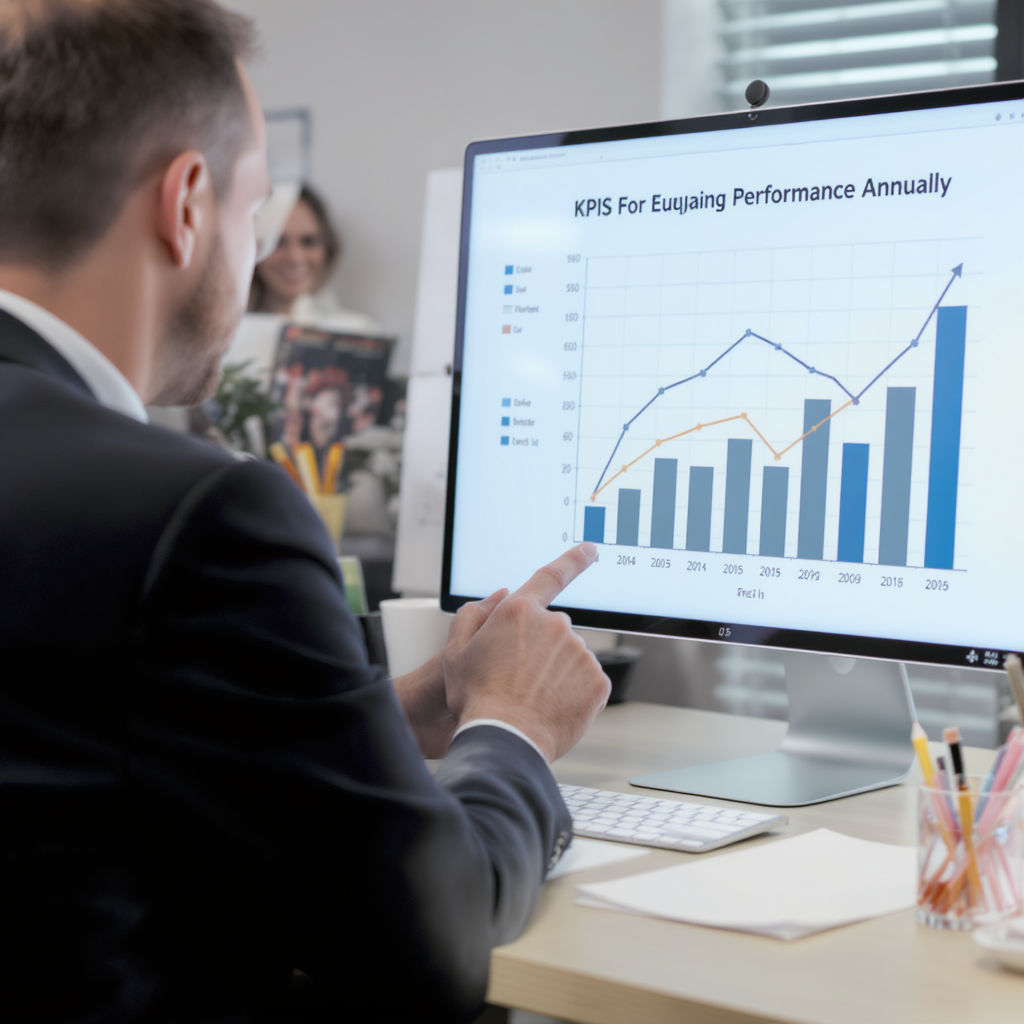
Supplier performance evaluation plays a crucial role in maintaining a successful supply chain. Without clear metrics, managing supplier relationships becomes reactive rather than strategic, increasing risks of delays, quality issues, and cost overruns. Establishing KPIs for evaluating supplier performance annually provides a structured approach to assess how suppliers contribute to your business goals.
Key reasons to focus on well-defined KPIs include:
- Driving continuous improvement by identifying areas needing attention
- Mitigating risks through early detection of performance gaps, which is essential for supply chain risk mitigation
- Enhancing overall business performance by aligning supplier efforts with company objectives
An effective annual review based on solid KPIs transforms supplier management from routine oversight into a proactive partnership. This approach not only ensures accountability but also fosters collaboration that benefits both parties. Establishing this foundation sets the stage for deeper insights and actionable decision-making throughout the rest of your supplier management process.
Understanding Supplier Performance Management (SPM)
Supplier Performance Management (SPM) is the process of overseeing and managing supplier activities to ensure they meet agreed-upon standards and positively contribute to your supply chain. The goal of SPM is to maintain high supplier quality, reliability, and compliance, which directly affects your organization’s efficiency and competitiveness.
You use SPM as a tool to align supplier outputs with your business objectives. This includes reducing costs, improving product quality, shortening lead times, and mitigating supply chain risk. By closely monitoring supplier performance, you can identify potential issues early—before they become larger problems that disrupt operations.
SPM is crucial for enhancing supply chain resilience. Effective supplier evaluation reveals weaknesses and vulnerabilities within your network. It allows proactive management of risks such as delayed shipments or substandard materials. This vigilance helps prevent costly interruptions and ensures continuity in your production or service delivery.
Key aspects of SPM include:
- Supplier monitoring through ongoing data collection on delivery times, quality rates, and responsiveness.
- Establishing clear performance expectations aligned with your company’s strategic goals.
- Using performance insights to foster stronger partnerships based on transparency and mutual improvement.
In essence, SPM is not just about tracking suppliers but about actively managing them to create a more robust and agile supply chain. This active management includes supplier relationship management, which focuses on building strong relationships with suppliers for mutual benefit.
Moreover, effective sourcing strategies are crucial for hiring top talent in the procurement field, especially for those looking into entry-level procurement jobs that can help kickstart their career in supply chain management. Additionally, understanding tail spend management can also provide insights into optimizing supplier performance by managing less significant spending areas effectively.
It’s also important to dispel common misconceptions about purchasing practices. For instance, there are several myths surrounding Group Purchasing Organizations (GPOs) that need mythbusting to ensure that businesses leverage these resources effectively.
Defining Relevant KPIs for Annual Supplier Evaluation
Establishing clear KPI definitions is fundamental when measuring supplier performance. Supplier KPIs serve as performance benchmarks that provide objective criteria to assess how well a supplier meets your company’s expectations.
Key Areas to Focus On
Key areas to focus on include:
- Quality: Measures such as defect rates, product conformance, and return rates reveal the consistency and reliability of supplied goods.
- Delivery: Track on-time delivery percentages and lead time variability to ensure suppliers meet scheduling commitments.
- Cost: Evaluate pricing competitiveness, cost reduction initiatives, and total cost of ownership to maintain profitability.
- Responsiveness: Assess how quickly suppliers address inquiries, resolve issues, and adapt to changes in demand.
- Compliance: Monitor adherence to regulatory requirements, contract terms, and sustainability standards.
- Relationship Factors: Include collaboration effectiveness, communication quality, and willingness to innovate.
Selecting measurable and relevant indicators is critical. Metrics must be quantifiable, aligned with your supply chain priorities, and capable of generating actionable insights. For example, a KPI like percentage of shipments arriving on time offers a straightforward, numerical benchmark easily tracked over time.
Avoid vague or overly broad measures that cannot consistently reflect supplier performance. Well-defined KPIs create transparency and set clear expectations for supplier accountability during annual evaluations.
Additionally, it may be beneficial to incorporate [diversity, equity, and inclusion (DEI)](https://hubzonedepot.com/uncategorized/what-is-dei-understanding-diversity-equity-and-inclusion-in-the-workplace) metrics into your evaluation process. This can help assess a supplier’s commitment to these important values.
Lastly, understanding the difference between purchasing groups and group purchasing organizations can also provide valuable insights into supplier relationships and their operational structures.
Aligning KPIs with Business Objectives
Establishing KPIs for evaluating supplier performance annually requires a clear connection to your company’s strategic goals and procurement requirements. Without this alignment, KPI data risks becoming irrelevant or misleading.
Key points for effective KPI alignment:
- Reflect company strategy: KPIs should measure what truly matters to your business’s long-term vision, whether it’s innovation, cost leadership, sustainability, or market expansion.
- Address procurement needs: Different procurement categories—raw materials, services, or finished goods—demand unique KPIs tailored to their specific risk profiles and value contributions. This is where leveraging the best procurement software and outsourcing companies can significantly enhance efficiency and effectiveness.
- Customize by supplier type: Strategic suppliers may require KPIs focused on collaboration and innovation, while transactional suppliers benefit from metrics centered on price and delivery reliability.
- Ensure business relevance: Select KPIs that drive decisions impacting revenue growth, operational efficiency, and customer satisfaction. In times of crisis, it’s essential to build resilience for tough times through effective procurement strategies.
- Embrace continuous learning: As exemplified by Frank Corris’s transformative journey in mastering procurement through learning and adaptation, it’s vital to embrace a life of learning and transformation in the field of procurement.
- Thrive with limited resources: It’s also important to remember that success can be achieved even with limited resources. By embracing constraints, optimizing processes, and leveraging networks as highlighted in these 10 essential tips, businesses can still thrive.
Aligning KPIs with business objectives transforms supplier evaluation from a routine audit into a strategic tool that supports sustained competitive advantage.
Data Collection and Monitoring Methods for Supplier Evaluation KPIs
Collecting accurate data is fundamental when evaluating supplier performance. Choosing the right data collection methods for supplier evaluation can significantly impact the reliability of your insights.
Manual Data Collection
Manual data collection involves direct inputs from procurement teams, quality inspections, and delivery logs. While straightforward, this method risks human error and inconsistent reporting frequency. It demands rigorous discipline to maintain accuracy, especially when dealing with multiple suppliers or complex supply chains.
Automated Performance Tracking Systems
On the other hand, automated performance tracking systems for suppliers address these challenges by integrating with ERP and procurement software platforms. Automation enables real-time data capture on critical KPIs such as delivery timeliness, defect rates, order accuracy, and cost deviations.
The Role of Scorecards
Scorecards are a popular tool within these systems. They consolidate KPI results into visual dashboards that simplify supplier comparisons and trend analysis. Using scorecards helps you spot performance gaps quickly and supports objective decision-making.
Standardized Measurement Criteria
To ensure quality and reliability while maintaining consistency and reliability in data over time, it’s essential to set standardized measurement criteria across all suppliers. This includes defining clear protocols on how data should be recorded, validated, and updated regularly. Consistent intervals for reviews—monthly or quarterly—ensure you track progress continuously rather than relying solely on annual snapshots.
Combining Approaches for Effective Evaluation
Combining automated tools with disciplined manual oversight creates a balanced approach. This hybrid model prevents blind spots while maximizing data integrity for effective supplier evaluation.
Moreover, adopting a strategic sourcing approach can help further enhance supplier performance. Understanding the difference between strategic sourcing and category management can provide valuable insights into optimizing your procurement strategy.
Additionally, leveraging GPO membership benefits can lead to significant cost savings and improved supplier relationships in the private sector. It’s also crucial to avoid common procurement terms that hinder communication about the value of procurement in your organization.
Lastly, focusing on maximizing supplier performance is key to ensuring quality and reliability in your supply chain.
Conducting Effective Annual Supplier Performance Reviews Using KPIs
Annual performance reviews with suppliers using KPIs should follow a clear and organized structure to maximize their effectiveness. Begin by scheduling dedicated sessions that allow ample time for in-depth discussion. Prepare by compiling comprehensive KPI data, highlighting trends and notable deviations.
Key steps for productive review meetings include:
- Presenting Results Transparently: Share KPI outcomes openly, focusing on facts such as defect rates, delivery punctuality, or cost variances. Transparency builds trust and encourages honest dialogue.
- Providing Supplier Feedback Based on KPI Results: Offer specific, actionable feedback linked directly to the measured indicators. For example, if on-time delivery fell below target, discuss root causes and potential corrective actions.
- Setting Clear Expectations: Define measurable goals and timelines for improvement to ensure accountability. Clarify how future performance will be tracked against these targets.
This approach transforms annual reviews from mere reporting exercises into strategic conversations that drive supplier engagement and continuous improvement.
Driving Continuous Improvement Through Collaboration with Suppliers Based on KPIs
Establishing KPIs for evaluating supplier performance annually sets the foundation, but driving continuous improvement requires active collaboration. Working jointly with your suppliers fosters transparency and mutual accountability, turning performance data into actionable plans. This partnership approach helps identify root causes of issues and leverages supplier expertise to develop effective solutions.
Key steps for continuous improvement initiatives with suppliers based on KPIs include:
- Setting Clear Improvement Goals: Define specific targets linked to KPI results, such as reducing defect rates by a certain percentage or improving delivery punctuality.
- Establishing Timelines and Milestones: Break down goals into manageable phases with deadlines to track progress systematically.
- Regular Follow-Ups: Schedule interim reviews to assess improvements, adjust strategies if necessary, and maintain momentum.
- Joint Problem-Solving Sessions: Encourage open dialogue to address challenges collaboratively rather than assigning blame.
This cooperative method not only boosts supplier performance but also strengthens long-term relationships, creating resilience and value across the supply chain.
Overcoming Challenges in Establishing Effective Supplier Evaluation KPIs
Establishing reliable KPIs for supplier evaluation involves navigating several key challenges that can impact the accuracy and usefulness of performance assessments. One significant hurdle lies in defining universal KPIs across diverse suppliers. Suppliers often vary widely by industry, product type, geographic location, and operational scale. Applying a one-size-fits-all KPI framework risks overlooking critical nuances. For example:
- A raw materials supplier may prioritize quality consistency and on-time delivery.
- A logistics provider’s focus might be on transit time and damage rates.
- A technology vendor could require metrics around innovation and service responsiveness.
This diversity demands a flexible approach to KPI selection that balances standardization with customization, ensuring each supplier is evaluated fairly and meaningfully.
Another common obstacle concerns data accessibility and accuracy. Reliable KPI measurement depends on consistent, timely, and accurate data collection from suppliers. Challenges include:
- Incomplete or inconsistent data submissions.
- Variations in reporting formats and frequency.
- Limited integration between supplier systems and your procurement software.
Without dependable data, KPIs lose credibility, making it difficult to identify true performance trends or areas needing improvement.
Addressing these challenges requires clear communication with suppliers about data expectations, investing in compatible technology solutions that facilitate seamless data exchange, and periodically reviewing KPI relevance to adapt to changing business needs or supplier capabilities. This ensures your supplier evaluation process remains both robust and practical.
Benefits of Effective KPI-driven Supplier Evaluation Process
Establishing a robust KPI-driven supplier evaluation process delivers measurable advantages that directly impact your supply chain’s stability and cost structure. Clear, data-backed insights empower you:
1. Mitigate Risks Related to Quality Problems
By continuously monitoring quality-related KPIs such as defect rates and return frequencies, you identify potential issues before they escalate. This proactive approach reduces the likelihood of receiving substandard products that can halt production or damage your brand reputation. Early detection enables corrective actions with suppliers, minimizing disruptions downstream.
2. Prevent Supply Chain Disruptions
Delivery performance indicators like on-time delivery rates and lead time variability provide critical visibility into supplier reliability. Tracking these KPIs helps anticipate delays and plan contingencies, ensuring smoother operations and customer satisfaction.
3. Achieve Cost Savings Through Efficiency Improvements
Cost-related KPIs highlight areas where procurement expenses can be optimized without sacrificing quality or service levels. For example, analyzing price variance, order accuracy, and administrative costs reveals opportunities to renegotiate contracts or streamline processes. Supplier responsiveness metrics also contribute by reducing downtime caused by slow issue resolution. Implementing strategies from the art of frugal living can also assist in maximizing cost savings.
4. Enhance Supplier Relationships and Collaboration
Transparent performance data fosters trust and accountability between you and your suppliers. When both parties understand expectations clearly through KPIs, it creates a foundation for joint improvement initiatives that benefit the entire value chain.
The benefits of KPI-driven supplier evaluation process extend beyond simple measurement—they create a culture of continuous improvement that strengthens your competitive edge. Furthermore, integrating compliance-driven sourcing into your procurement strategy can enhance your reputation, reduce risks, and align with ethical standards.
If you’re managing a one-person procurement function, consider exploring our tips for optimizing this role for better cost efficiency and supplier management. Lastly, if you’re considering a career in this field, it’s useful to stay informed about procurement engineer salary trends to better prepare for future job market insights.
Leveraging Technology for Efficient Tracking, Reporting, and Communication in Supplier Evaluations Using KPIs
Technology plays a crucial role in supplier evaluations using KPIs, especially when it comes to setting annual KPIs for assessing supplier performance. Automation tools help minimize manual data entry mistakes and offer immediate access to supplier metrics.
Key benefits of technology-driven KPI tracking include:
- Automated Data Collection: Systems integrate with ERP and procurement platforms to collect supplier data continuously, ensuring accuracy and timeliness.
- Simplified Reporting: Dashboards generate visual reports that highlight trends and outliers, making it easier to identify areas needing attention without sifting through spreadsheets.
- Enhanced Communication: Digital platforms enable direct, transparent communication between buyer and supplier during performance reviews. Shared access to KPI results fosters collaboration and accountability.
Using technology transforms the evaluation process from a periodic administrative task into a dynamic, data-driven dialogue. This shift empowers you to respond quickly to performance issues and supports ongoing supplier development aligned with your business goals. Furthermore, by leveraging drastic cost reduction through collective spending, organizations can optimize their procurement strategies while maintaining strong supplier relationships.
Conclusion
Establishing KPIs for evaluating supplier performance annually is not just a procedural task; it forms the backbone of a resilient and efficient supply chain. Implementing a structured KPI framework provides you with a clear, objective basis for assessing supplier contributions. This approach drives continuous improvement, reduces risks, and aligns supplier performance with your strategic goals.
Consider these key actions to maximize your annual supplier evaluation summary based on established KPIs:
- Adopt consistent, measurable KPIs tailored to your business needs.
- Use technology solutions to automate data collection, tracking, and reporting.
- Engage suppliers transparently during reviews to foster collaboration and improvement.
You hold the tools to transform supplier management from a routine exercise into a strategic advantage. Leveraging technology enhances accuracy and efficiency, freeing you to focus on proactive decision-making. Start building your KPI-driven supplier evaluation process today—your supply chain’s future performance depends on it.