
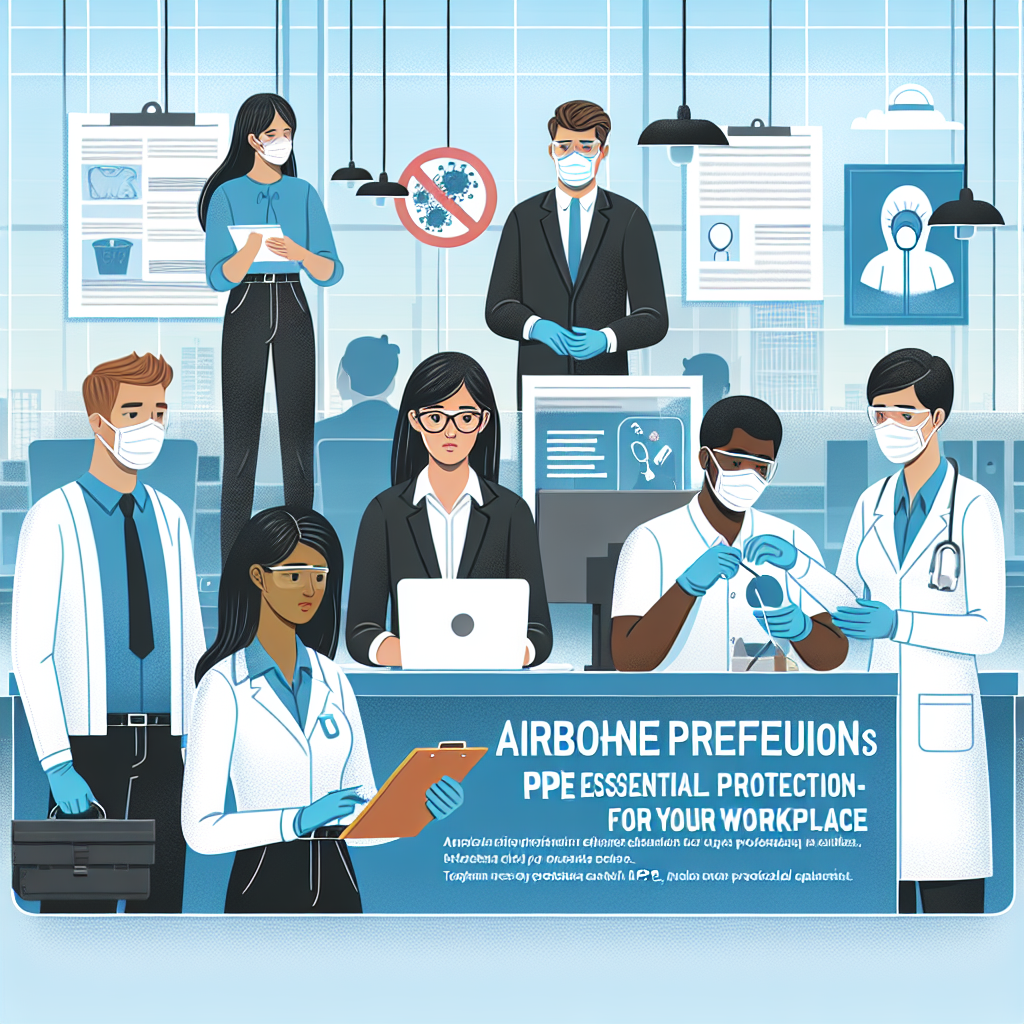
Airborne Precautions PPE: Essential Protection for Your Workplace
Regulatory Standards Governing Airborne Precautions PPE
When it comes to airborne precautions PPE, the stakes are high. Did you know that according to the CDC, airborne diseases account for over 1.5 million deaths globally each year? That's a staggering number that should make any purchasing director sit up and take notice.
Navigating the labyrinth of regulatory standards can feel like trying to find your way out of a corn maze blindfolded. But fear not! Understanding these guidelines is essential not just for compliance, but for ensuring the safety of your workforce.
Key Regulatory Bodies
In the world of airborne precautions PPE, several key players set the rules. The Occupational Safety and Health Administration (OSHA) and the National Institute for Occupational Safety and Health (NIOSH) are at the forefront, providing guidelines that directly impact how businesses operate.
- OSHA: Enforces workplace safety regulations.
- NIOSH: Conducts research and makes recommendations for preventing work-related injuries.
Standards You Should Know
Compliance is more than just a buzzword; it’s a necessity. For airborne precautions PPE, understanding standards like N95 respirator fit testing and proper usage protocols is crucial. These standards dictate how equipment should be selected, maintained, and used in various settings.
| Standard | Description |
|---|---|
| N95 Respirator Fit Testing | Ensures proper seal and effectiveness against airborne particles. |
| Respiratory Protection Program (RPP) | Outlines procedures for selecting, using, and maintaining respiratory protection equipment. |
Always ensure your PPE meets or exceeds regulatory standards to protect both your employees and your bottom line.
Understanding these regulations isn’t just about ticking boxes; it’s about fostering a culture of safety in your workplace. As you evaluate suppliers like Hubzone Depot for your airborne precautions PPE needs, ensure they are compliant with these essential regulations.
Take this moment to audit your current PPE inventory against these standards. Are you confident in its compliance? If not, it's time to reevaluate your options.
Types of Airborne Precautions PPE and Their Applications
Imagine walking into a healthcare facility where the air is thick with pathogens. Scary, right? Well, without the right airborne precautions PPE, that’s exactly what your team might be facing. The reality is that airborne diseases are not just a concern for hospitals; they can infiltrate any workplace. So, let’s break down the types of PPE that can act as your frontline defense.
N95 Respirators
N95 respirators are like the superheroes of airborne precautions PPE. They filter out at least 95% of airborne particles, including large respiratory droplets and smaller aerosols. Perfect for environments where exposure to infectious agents is a risk, such as during flu season or when dealing with patients who have respiratory infections. But here’s the catch: proper fit testing is essential to ensure they work effectively. A poorly fitting N95 is about as useful as a chocolate teapot.
Powered Air-Purifying Respirators (PAPRs)
For those who want to take their protection up a notch, enter PAPRs. These devices use a battery-powered blower to pull air through filters before it reaches your lungs. They’re particularly handy in high-risk settings like laboratories or during outbreaks of highly contagious diseases. Plus, they come with hoods or helmets that provide additional coverage—think of them as the luxury SUV of respiratory protection.
Surgical Masks
Surgical masks are often mistaken for airborne precautions PPE, but let’s set the record straight: they’re primarily designed to protect others from your respiratory droplets rather than you from theirs. In situations where close contact is unavoidable but the risk level is low—like in outpatient clinics—these masks can still offer some level of protection against large droplets.
Choosing the right type of airborne precautions PPE depends on your specific workplace hazards and exposure risks.
Face Shields and Goggles
Face shields and goggles are often overlooked but play a crucial role in protecting against splashes and sprays that may carry infectious agents. In settings like dental offices or during procedures that generate aerosols, these pieces can be lifesavers—literally! They add an extra layer of defense when used alongside respirators or masks.
Conclusion
Risk Assessment Framework for Selecting Appropriate Airborne Precautions PPE
Imagine you're in charge of a bustling hospital during flu season. The waiting room is packed, and every sneeze feels like a mini panic attack. Now, what if I told you that a staggering 75% of healthcare-associated infections could be prevented with proper airborne precautions PPE? That's not just a statistic; it’s a call to action.
Selecting the right airborne precautions PPE isn’t just about grabbing whatever's on sale. It’s about understanding your workplace's unique risks and tailoring your approach accordingly. A risk assessment framework can help you navigate this maze with confidence.
Step 1: Identify Hazards
First things first—know your enemies! Conduct a thorough assessment of potential airborne hazards in your environment. Are you dealing with tuberculosis patients in a healthcare setting, or is it just the common cold spreading through an office? Each scenario demands different levels of protection.
Step 2: Evaluate Exposure Risks
Next up, evaluate how often and how intensely workers might be exposed to these hazards. If you run a dental clinic, the risk is higher due to aerosol-generating procedures compared to an office environment where employees are mostly stationary. Consider factors like duration of exposure and the number of people involved.
Step 3: Determine Appropriate PPE
One size fits all rarely works in PPE selection. Based on your hazard identification and risk evaluation, choose the appropriate airborne precautions PPE. For high-risk settings, N95 respirators or PAPRs may be necessary, while surgical masks might suffice for lower-risk environments.
Step 4: Implement Training and Usage Protocols
Just because you have the gear doesn’t mean everyone knows how to use it. Training staff on proper usage and maintenance of airborne precautions PPE is crucial. Schedule regular refreshers to keep everyone sharp—after all, knowledge is power!
Step 5: Regularly Review and Update Your Risk Assessment
The only constant in life is change. As new diseases emerge or workplace dynamics shift, make sure to revisit your risk assessment regularly. This ensures that your airborne precautions PPE strategy remains relevant and effective.
Training and Compliance Strategies for Effective PPE Utilization
Imagine walking into a bustling manufacturing plant where workers are diligently assembling products, yet half of them are wearing their PPE incorrectly. It’s a recipe for disaster. A recent study showed that 70% of workplace injuries could have been prevented with proper training and adherence to safety protocols. That’s not just a statistic; it’s a wake-up call for any purchasing director.
Step 1: Develop Comprehensive Training Programs
First things first—training isn’t just a checkbox on your compliance list. It's the foundation of effective PPE utilization. Create robust training programs that cover everything from the importance of airborne precautions PPE to hands-on demonstrations on how to wear, remove, and maintain it. Bring in experts who can share real-world experiences and best practices. This isn’t just about compliance; it’s about fostering a culture of safety.
Step 2: Conduct Regular Assessments
Training is not a one-and-done deal. Schedule regular assessments to ensure that employees are not only using their airborne precautions PPE correctly but also understanding its importance in protecting themselves and others. Consider using simulations or role-playing scenarios to make it engaging—because let’s face it, no one wants to sit through another boring PowerPoint presentation.
Regular assessments can significantly reduce the risk of airborne infections in the workplace.
Step 3: Create Clear Compliance Guidelines
What do you mean by wear your mask? If your employees are asking questions like this, it’s time to clarify your compliance guidelines! Make sure everyone knows what is expected regarding PPE usage. This includes when and where they need to wear their airborne precautions PPE, as well as the consequences for non-compliance. Clear guidelines can help eliminate confusion and create accountability among staff members.
Step 4: Foster Open Communication
If you see something, say something should be your mantra when it comes to PPE compliance. Encourage employees to voice concerns about PPE-related issues without fear of retribution. Create an open-door policy where they can report problems or suggest improvements regarding airborne precautions PPE usage or training methods.
'Step 5: Leverage Technology for Training and Compliance Tracking
Investing in digital tools not only streamlines training but also helps maintain high standards of workplace safety.
It's clear that effective utilization of airborne precautions PPE hinges on well-structured training and compliance strategies. By developing comprehensive programs, conducting regular assessments, creating clear guidelines, fostering communication, and leveraging technology, you’ll empower your workforce to take charge of their safety—and that's a win-win situation for everyone involved!
Cost-Benefit Analysis of Investing in High-Quality Airborne Precautions PPE
Investing in high-quality airborne precautions PPE is like putting a security system in your home. Sure, it costs money upfront, but what’s the cost of a break-in? In the workplace, the stakes are just as high. A single outbreak can send your productivity plummeting and your employees scrambling for safety.
Consider this: a study from the American Journal of Infection Control found that hospitals that upgraded to better respiratory protection reduced airborne pathogen transmission by up to 50%. That’s not just a statistic; it’s a financial game-changer. So, how do you weigh these investments against potential costs?
The Hidden Costs of Cheap PPE
Let’s face it—cheap PPE might seem like a bargain at first glance. But those savings can quickly evaporate when you consider the hidden costs. For example, low-quality masks can lead to higher rates of illness among employees, resulting in increased absenteeism and decreased productivity. Not to mention the potential for legal liabilities if an employee contracts an airborne illness on the job.
- Increased healthcare costs due to employee illness.
- Potential fines for non-compliance with safety regulations.
- Loss of productivity during outbreaks or illnesses.
- Damage to company reputation from health incidents.
Benefits of Investing in Quality PPE
Now let’s flip the script and look at what investing in high-quality airborne precautions PPE brings to the table. It’s not just about keeping your employees safe; it’s also about safeguarding your bottom line. Here are some compelling benefits:
- (1) Enhanced employee morale—workers feel safe and valued.
- (2) Lower healthcare costs due to fewer illnesses.
- (3) Increased productivity as fewer employees take sick leave.
- (4) Improved compliance with regulatory standards, reducing risk of fines.
Investing in quality PPE is an investment in your workforce's health and your company's future.
When evaluating suppliers like Hubzone Depot, consider not only the price but also the quality and compliance track record of their products. Remember, cutting corners on safety can lead to more significant expenses down the road.
Making Informed Decisions
Ultimately, making informed decisions about your airborne precautions PPE involves looking beyond initial costs. Conduct a thorough cost-benefit analysis that includes potential risks associated with inadequate protection versus the peace of mind (and financial stability) that comes from investing wisely.
Supply Chain Considerations for Sourcing Airborne Precautions PPE
Picture this: your company is in the middle of a health crisis, and you realize your stock of airborne precautions PPE is dwindling faster than you can say supply chain disruption. Suddenly, you're scrambling to find reliable sources while trying to keep your employees safe. The reality is that ensuring a steady supply of airborne precautions PPE isn’t just a logistical concern; it’s a lifeline for your workforce.
In recent years, we’ve seen how global events can send shockwaves through supply chains. A staggering 75% of businesses reported disruptions during the pandemic, highlighting the critical need for robust sourcing strategies. If you're still relying on a single supplier or an outdated procurement process, it’s time to rethink your approach.
Evaluate Supplier Reliability
Not all suppliers are created equal. When sourcing airborne precautions PPE, consider their track record for reliability and quality. Are they certified? Do they have experience in delivering to high-demand sectors like healthcare or manufacturing? A supplier with a strong reputation can mean the difference between having equipment when you need it and facing delays that could jeopardize employee safety.
- Check for certifications like ISO or NIOSH.
- Look for reviews or testimonials from similar industries.
- Assess their ability to scale production in emergencies.
Diversify Your Supply Chain
Don’t put all your eggs in one basket isn’t just a catchy phrase; it’s sound advice for sourcing PPE. Relying on one supplier can leave you vulnerable if they face shortages or quality issues. Instead, cultivate relationships with multiple suppliers to create a more resilient supply chain.
A diversified supply chain can significantly reduce risks associated with shortages and price fluctuations.
Consider Local vs. Global Sourcing
Global sourcing may offer lower costs, but local suppliers often provide quicker turnaround times and reduced shipping delays. Plus, supporting local businesses can enhance your company’s reputation within the community. Evaluate the pros and cons of each option based on your specific needs.
- Local Sourcing: Faster delivery times, lower transportation costs.
- Global Sourcing: Potentially lower prices but at higher risk of delays.
As you assess potential suppliers, don’t forget to inquire about their inventory management practices. Suppliers who use advanced tracking systems are more likely to provide accurate lead times and stock availability—essential elements when time is of the essence.
Finally, keep an eye on market trends affecting pricing and availability. Tools like demand forecasting software can help predict future needs based on historical data—allowing you to place orders proactively rather than reactively.
Stay ahead by leveraging technology to monitor supply chain dynamics.
In summary, navigating the complexities of sourcing airborne precautions PPE requires vigilance and strategy. By evaluating supplier reliability, diversifying your sources, balancing local vs. global options, and utilizing technology for forecasting, you'll be well-equipped to protect your workforce without breaking the bank.
Innovations in Airborne Precautions PPE Technology
When it comes to airborne precautions PPE, the only constant is change. With new technologies emerging faster than you can say N95, staying updated is crucial for ensuring your workforce's safety. In fact, a recent survey indicated that companies investing in advanced PPE technology reported a 40% increase in employee compliance with safety protocols. That's not just a number; it's a testament to how innovation can transform workplace safety.
Let’s explore some of the most exciting innovations that are shaking up the airborne precautions PPE landscape and why they matter for your organization.
Smart Respirators
Imagine a respirator that not only protects you but also monitors air quality in real-time. Enter smart respirators equipped with sensors that track airborne contaminants and provide feedback directly to the user via a mobile app. These devices can alert wearers when they need to replace filters or if air quality deteriorates, making them invaluable for high-risk environments like hospitals or laboratories.
Smart technology enhances safety by providing actionable insights, leading to better decision-making and fewer health risks.
Self-Sterilizing Materials
Germs be gone! might as well be the motto of self-sterilizing materials entering the PPE market. These innovative fabrics are treated with antimicrobial agents that actively kill germs on contact. This means that masks and gowns made from these materials can significantly reduce the risk of cross-contamination, especially in healthcare settings where every second counts.
- 'Reduce infection rates: Self-sterilizing materials can lower the chances of transmitting pathogens.
- 'Cost-effective: Less frequent laundering and replacement mean savings over time.
- 'Enhanced comfort: Many self-sterilizing fabrics are lightweight and breathable, improving wearability.
'Wearable Tech Integration
Wearable technology isn’t just for fitness enthusiasts anymore; it’s making waves in the world of airborne precautions PPE too! Think vests or shirts embedded with sensors that monitor vital signs and environmental conditions. This tech not only keeps track of health metrics but can also alert users when they’re at risk of exposure—an essential feature for high-stakes environments like emergency services or industrial sites.
'AI-Powered Compliance Monitoring
Incorporating these innovations into your airborne precautions PPE strategy isn't just about keeping up with trends; it's about protecting your workforce more effectively than ever before. As you consider suppliers like Hubzone Depot, look for those who offer cutting-edge solutions tailored to your industry’s needs.