
Optimizing Your MRO Supply Chain for Maximum Efficiency and Cost Control
Assessing Current MRO Supply Chain Performance Metrics
Many companies are sitting on a goldmine of inefficiencies. Did you know that up to 30% of a typical MRO supply chain’s costs can be traced back to poor inventory management? That’s not just pocket change; it’s a serious dent in your bottom line.
Picture a manufacturing plant where critical machine parts go missing, causing production delays and escalating costs. This scenario is all too common and often stems from not having the right performance metrics in place to assess your MRO supply chain.
Key Performance Indicators (KPIs) for MRO Supply Chain
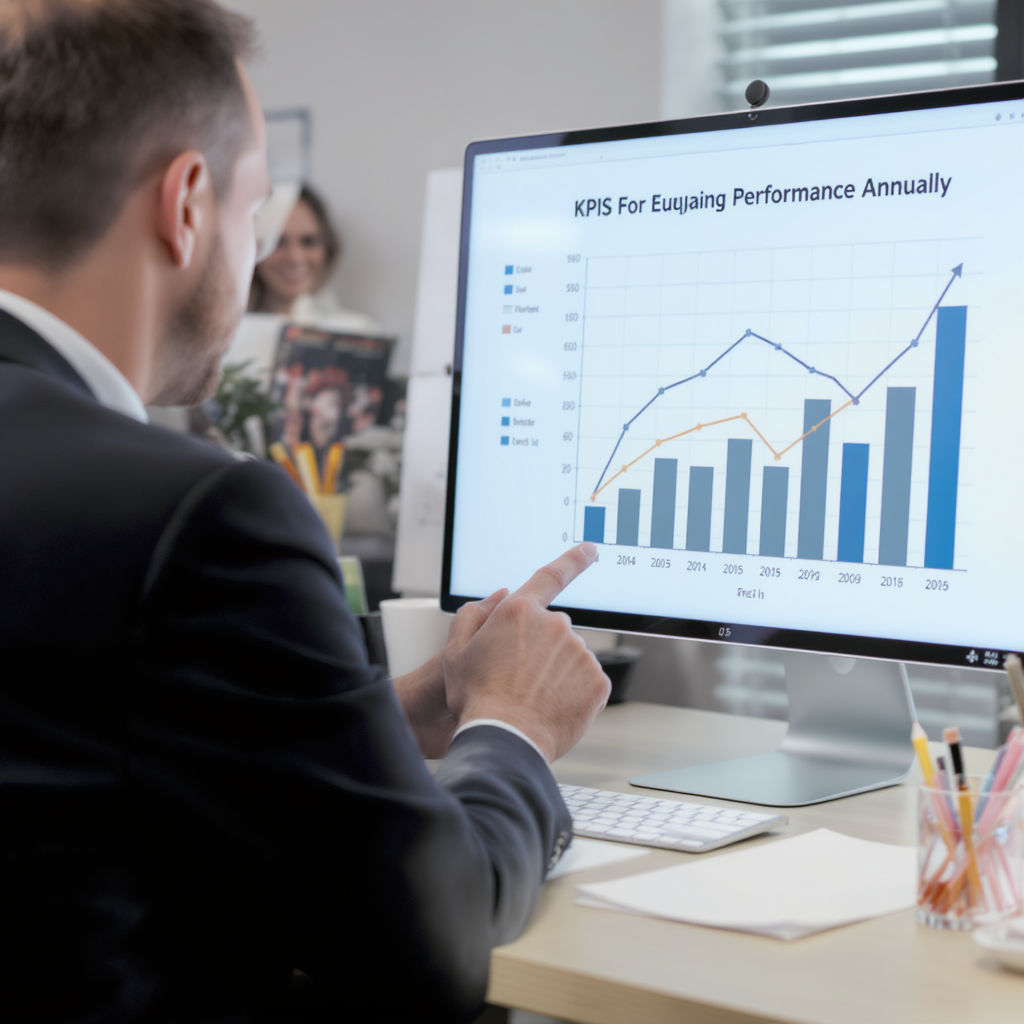
To optimize your MRO supply chain, you need to focus on specific KPIs that provide insight into performance. Here are some crucial ones that should be on your radar:
- Inventory Turnover Ratio: Measures how often inventory is sold and replaced over a period.
- Order Fulfillment Cycle Time: The time taken from order placement to delivery.
- Cost Per Order: Total cost incurred for processing an order including shipping, handling, and purchase price.
- Supplier Lead Time: Average time it takes for suppliers to deliver goods after an order is placed.
Tracking these metrics can reveal hidden inefficiencies and help you make data-driven decisions.
Benchmarking Against Industry Standards
It’s not enough to just track these metrics; you also need to benchmark them against industry standards. If your inventory turnover rate is significantly lower than the industry average, it’s time for a deep dive into why materials are sitting idle. Are your suppliers not delivering on time? Is there excess stock due to over-ordering?
Pro-tip: Utilize software solutions that provide real-time analytics and can automate benchmarking processes. This will save you hours of manual work and give you insights faster than ever.
What If Scenarios
What if scenarios can be an eye-opener when assessing your current performance metrics. For instance, imagine if you could reduce supplier lead times by just one week—what would that mean for your production schedule? Could it allow you to take on more orders or reduce overtime pay?
Such hypothetical improvements can guide strategic discussions about supplier relationships and inventory management practices.
Many companies are sitting on a goldmine of inefficiencies. Did you know that up to 30% of a typical MRO supply chain’s costs can be traced back to poor inventory management? That’s not just pocket change; it’s a serious dent in your bottom line.
Picture a manufacturing plant where critical machine parts go missing, causing production delays and escalating costs. This scenario is all too common and often stems from not having the right performance metrics in place to assess your MRO supply chain.
Key Performance Indicators (KPIs) for MRO Supply Chain
To optimize your MRO supply chain, you need to focus on specific KPIs that provide insight into performance. Here are some crucial ones that should be on your radar:
- Inventory Turnover Ratio: Measures how often inventory is sold and replaced over a period.
- Order Fulfillment Cycle Time: The time taken from order placement to delivery.
- Cost Per Order: Total cost incurred for processing an order including shipping, handling, and purchase price.
- Supplier Lead Time: Average time it takes for suppliers to deliver goods after an order is placed.
Tracking these metrics can reveal hidden inefficiencies and help you make data-driven decisions.
Benchmarking Against Industry Standards
It’s not enough to just track these metrics; you also need to benchmark them against industry standards. If your inventory turnover rate is significantly lower than the industry average, it’s time for a deep dive into why materials are sitting idle. Are your suppliers not delivering on time? Is there excess stock due to over-ordering?
Pro-tip: Utilize software solutions that provide real-time analytics and can automate benchmarking processes. This will save you hours of manual work and give you insights faster than ever.
What If Scenarios
What if scenarios can be an eye-opener when assessing your current performance metrics. For instance, imagine if you could reduce supplier lead times by just one week—what would that mean for your production schedule? Could it allow you to take on more orders or reduce overtime pay?
Such hypothetical improvements can guide strategic discussions about supplier relationships and inventory management practices.
Implementing Inventory Management Best Practices
Inventory management in the MRO supply chain isn’t just about keeping shelves stocked; it’s about orchestrating a finely-tuned symphony where every part plays its role flawlessly. A staggering 60% of companies report that their inventory management practices directly impact their operational efficiency. The question is, how do you turn that statistic into your competitive advantage?
Step 1: Conduct an Inventory Audit
Start by taking a hard look at what you have. An inventory audit helps identify dead stock—items that haven’t moved in ages and are just collecting dust (and costs). Imagine a bustling manufacturing facility where obsolete parts are taking up valuable space, leading to confusion and delays when it’s time to find the parts that actually matter.
Tip: Use ABC analysis to categorize your inventory based on importance and usage rates.
Step 2: Implement Just-In-Time (JIT) Inventory
Next up is the JIT approach, which is like having your cake and eating it too—only if you can get the cake delivered right when you're ready to eat! JIT minimizes waste by receiving goods only as they are needed in the production process. This strategy not only reduces storage costs but also ensures that you’re not overstocking items that may become obsolete.
Consider a mid-sized aerospace company that adopted JIT. They managed to cut their inventory holding costs by nearly 40%, freeing up cash flow for other critical investments. Now they can invest in new technologies instead of tying up funds in excess stock.
Step 3: Leverage Technology for Real-Time Tracking
In this digital age, relying on spreadsheets feels like using a flip phone in a smartphone world. Investing in inventory management software provides real-time data on stock levels, order statuses, and supplier performance—allowing for quicker decision-making and fewer surprises.
The right technology can reduce order processing time by up to 50%!
Step 4: Foster Strong Supplier Relationships
Your suppliers are not just vendors; they’re partners in your success. Regular communication can lead to better lead times, more favorable terms, and even collaborative forecasting efforts. For example, if a supplier knows your projected needs for the next quarter, they can proactively manage their own inventory levels to meet those demands.
Finally, regularly revisit these practices as market conditions change or as new technologies emerge. The most effective MRO supply chains are those that evolve continuously rather than remain static.
Key Takeaway: Implementing these best practices will streamline your MRO supply chain operations and enhance cost control, so don’t wait—start optimizing today!
Inventory management in the MRO supply chain isn’t just about keeping shelves stocked; it’s about orchestrating a finely-tuned symphony where every part plays its role flawlessly. A staggering 60% of companies report that their inventory management practices directly impact their operational efficiency. The question is, how do you turn that statistic into your competitive advantage?
Step 1: Conduct an Inventory Audit
Start by taking a hard look at what you have. An inventory audit helps identify dead stock—items that haven’t moved in ages and are just collecting dust (and costs). Imagine a bustling manufacturing facility where obsolete parts are taking up valuable space, leading to confusion and delays when it’s time to find the parts that actually matter.
Tip: Use ABC analysis to categorize your inventory based on importance and usage rates.
Step 2: Implement Just-In-Time (JIT) Inventory
Next up is the JIT approach, which is like having your cake and eating it too—only if you can get the cake delivered right when you're ready to eat! JIT minimizes waste by receiving goods only as they are needed in the production process. This strategy not only reduces storage costs but also ensures that you’re not overstocking items that may become obsolete.
Consider a mid-sized aerospace company that adopted JIT. They managed to cut their inventory holding costs by nearly 40%, freeing up cash flow for other critical investments. Now they can invest in new technologies instead of tying up funds in excess stock.
Step 3: Leverage Technology for Real-Time Tracking
In this digital age, relying on spreadsheets feels like using a flip phone in a smartphone world. Investing in inventory management software provides real-time data on stock levels, order statuses, and supplier performance—allowing for quicker decision-making and fewer surprises.
The right technology can reduce order processing time by up to 50%!
Step 4: Foster Strong Supplier Relationships
Your suppliers are not just vendors; they’re partners in your success. Regular communication can lead to better lead times, more favorable terms, and even collaborative forecasting efforts. For example, if a supplier knows your projected needs for the next quarter, they can proactively manage their own inventory levels to meet those demands.
Finally, regularly revisit these practices as market conditions change or as new technologies emerge. The most effective MRO supply chains are those that evolve continuously rather than remain static.
Key Takeaway: Implementing these best practices will streamline your MRO supply chain operations and enhance cost control, so don’t wait—start optimizing today!
Leveraging Technology for Supply Chain Visibility
Imagine a world where you could see every single component of your MRO supply chain in real-time, like a Netflix show that never buffers. That’s the power of technology—specifically, how it can transform your supply chain visibility from murky waters into crystal-clear lakes.
In fact, a recent study found that companies leveraging advanced supply chain visibility technologies can reduce their inventory costs by up to 20%. That’s not just a number; it’s potential cash flow that could be reinvested into your business.
The Role of Real-Time Data
Real-time data is like having a GPS for your MRO supply chain. It tells you exactly where each part is at any given moment and predicts when it will arrive. This means no more frantic phone calls to suppliers wondering if that crucial part is stuck in traffic or lost in the warehouse.
Consider a food processing plant that struggled with unexpected downtime due to missing maintenance supplies. By implementing an IoT-based tracking system, they gained immediate visibility into inventory levels and supplier lead times. As a result, they reduced downtime by 30%, significantly boosting productivity.
Investing in real-time tracking technology can lead to substantial savings and operational improvements.
Cloud-Based Solutions: The Game Changer
Cloud-based solutions are like the Swiss Army knives of MRO supply chains—they offer versatility and accessibility. With cloud technology, multiple stakeholders can access data anytime, anywhere. This ensures everyone is on the same page, whether they’re in the office or on the factory floor.
Take a mid-sized automotive parts manufacturer that switched to a cloud-based inventory management system. They not only improved communication across departments but also reduced stock discrepancies by over 40%. Suddenly, everyone was singing from the same hymn sheet—and their efficiency soared!
Predictive Analytics: Anticipating Needs
Predictive analytics might sound like something out of a sci-fi movie, but it’s very much here and now in the world of MRO supply chains. By analyzing historical data and trends, companies can forecast future needs with remarkable accuracy—essentially predicting what will break before it breaks!
For instance, an energy company used predictive analytics to monitor equipment health and predict maintenance needs. Not only did this approach save them from costly breakdowns, but it also allowed them to schedule maintenance during off-peak hours—maximizing productivity while minimizing disruption.
Imagine a world where you could see every single component of your MRO supply chain in real-time, like a Netflix show that never buffers. That’s the power of technology—specifically, how it can transform your supply chain visibility from murky waters into crystal-clear lakes.
In fact, a recent study found that companies leveraging advanced supply chain visibility technologies can reduce their inventory costs by up to 20%. That’s not just a number; it’s potential cash flow that could be reinvested into your business.
The Role of Real-Time Data
Real-time data is like having a GPS for your MRO supply chain. It tells you exactly where each part is at any given moment and predicts when it will arrive. This means no more frantic phone calls to suppliers wondering if that crucial part is stuck in traffic or lost in the warehouse.
Consider a food processing plant that struggled with unexpected downtime due to missing maintenance supplies. By implementing an IoT-based tracking system, they gained immediate visibility into inventory levels and supplier lead times. As a result, they reduced downtime by 30%, significantly boosting productivity.
Investing in real-time tracking technology can lead to substantial savings and operational improvements.
Cloud-Based Solutions: The Game Changer
Cloud-based solutions are like the Swiss Army knives of MRO supply chains—they offer versatility and accessibility. With cloud technology, multiple stakeholders can access data anytime, anywhere. This ensures everyone is on the same page, whether they’re in the office or on the factory floor.
Take a mid-sized automotive parts manufacturer that switched to a cloud-based inventory management system. They not only improved communication across departments but also reduced stock discrepancies by over 40%. Suddenly, everyone was singing from the same hymn sheet—and their efficiency soared!
Predictive Analytics: Anticipating Needs
Predictive analytics might sound like something out of a sci-fi movie, but it’s very much here and now in the world of MRO supply chains. By analyzing historical data and trends, companies can forecast future needs with remarkable accuracy—essentially predicting what will break before it breaks!
For instance, an energy company used predictive analytics to monitor equipment health and predict maintenance needs. Not only did this approach save them from costly breakdowns, but it also allowed them to schedule maintenance during off-peak hours—maximizing productivity while minimizing disruption.
Supplier Relationship Management Strategies
Think about this: a leading manufacturing company was losing thousands of dollars each month due to late deliveries from suppliers. The culprit? A lack of strong, proactive relationships with those suppliers. This isn't just a hypothetical scenario; it's a reality for many businesses navigating the MRO supply chain.
Supplier relationship management (SRM) is not merely a buzzword; it’s a strategic imperative. In the world of MRO supply chains, where every minute counts and costs can spiral out of control, fostering solid partnerships with suppliers can be the difference between smooth operations and chaotic delays.
Building Trust Through Transparency
Trust is the bedrock of any successful supplier relationship. It’s like a two-way street where both parties need to feel secure in sharing information. For instance, when your suppliers are aware of your upcoming needs—thanks to regular communication—they can better manage their own inventory levels, ensuring you receive what you need when you need it.
A global electronics manufacturer implemented an open-book policy with its key suppliers, sharing forecasts and demand data. The result? A whopping 25% reduction in lead times across the board. They were no longer at the mercy of last-minute orders and could plan their production schedules with confidence.
Collaborative Problem Solving
Problems will inevitably arise—it's how you handle them that counts. Instead of pointing fingers when issues occur, approach them as collaborative challenges to solve together. Picture this: a mid-sized automotive manufacturer faced recurring issues with part quality from one supplier. Instead of switching suppliers right away, they invited them for a joint review session.
Let’s figure this out together, they said, analyzing processes and identifying root causes. This collaboration led to improved quality control measures on the supplier's end and ultimately saved both companies time and money.
A collaborative approach can turn potential conflicts into opportunities for innovation.
Performance Reviews: The Check-Up Your Supply Chain Needs
Regular performance reviews are essential for maintaining strong supplier relationships. These reviews should be more than just checkboxes; they should involve open discussions about what's working and what needs improvement. Consider setting up quarterly review meetings where both parties can share insights on performance metrics like delivery times, quality issues, and responsiveness.
One consumer goods company started conducting bi-annual reviews with its top five suppliers. They found that discussing successes and challenges led to actionable insights that improved overall efficiency—reducing costs by nearly 15% within just six months!
Embracing Technology for Enhanced Collaboration
In today’s digital age, leveraging technology is crucial for effective SRM in the MRO supply chain. Platforms that facilitate real-time communication allow for quicker decision-making and issue resolution. Imagine using a shared dashboard where both your team and your suppliers can track orders, inventory levels, and delivery schedules all in one place.
Think about this: a leading manufacturing company was losing thousands of dollars each month due to late deliveries from suppliers. The culprit? A lack of strong, proactive relationships with those suppliers. This isn't just a hypothetical scenario; it's a reality for many businesses navigating the MRO supply chain.
Supplier relationship management (SRM) is not merely a buzzword; it’s a strategic imperative. In the world of MRO supply chains, where every minute counts and costs can spiral out of control, fostering solid partnerships with suppliers can be the difference between smooth operations and chaotic delays.
Building Trust Through Transparency
Trust is the bedrock of any successful supplier relationship. It’s like a two-way street where both parties need to feel secure in sharing information. For instance, when your suppliers are aware of your upcoming needs—thanks to regular communication—they can better manage their own inventory levels, ensuring you receive what you need when you need it.
A global electronics manufacturer implemented an open-book policy with its key suppliers, sharing forecasts and demand data. The result? A whopping 25% reduction in lead times across the board. They were no longer at the mercy of last-minute orders and could plan their production schedules with confidence.
Collaborative Problem Solving
Problems will inevitably arise—it's how you handle them that counts. Instead of pointing fingers when issues occur, approach them as collaborative challenges to solve together. Picture this: a mid-sized automotive manufacturer faced recurring issues with part quality from one supplier. Instead of switching suppliers right away, they invited them for a joint review session.
Let’s figure this out together, they said, analyzing processes and identifying root causes. This collaboration led to improved quality control measures on the supplier's end and ultimately saved both companies time and money.
A collaborative approach can turn potential conflicts into opportunities for innovation.
Performance Reviews: The Check-Up Your Supply Chain Needs
Regular performance reviews are essential for maintaining strong supplier relationships. These reviews should be more than just checkboxes; they should involve open discussions about what's working and what needs improvement. Consider setting up quarterly review meetings where both parties can share insights on performance metrics like delivery times, quality issues, and responsiveness.
One consumer goods company started conducting bi-annual reviews with its top five suppliers. They found that discussing successes and challenges led to actionable insights that improved overall efficiency—reducing costs by nearly 15% within just six months!
Embracing Technology for Enhanced Collaboration
In today’s digital age, leveraging technology is crucial for effective SRM in the MRO supply chain. Platforms that facilitate real-time communication allow for quicker decision-making and issue resolution. Imagine using a shared dashboard where both your team and your suppliers can track orders, inventory levels, and delivery schedules all in one place.
Cost Reduction Techniques in MRO Procurement
If you think slashing costs in your MRO supply chain is as simple as finding the cheapest supplier, think again. A staggering 70% of organizations miss out on significant savings because they focus solely on price rather than total cost of ownership (TCO).
Consider a large manufacturing company that decided to cut corners by choosing the lowest bidder for maintenance supplies. Sure, they saved a few bucks upfront, but when those parts failed prematurely, their production line came to a screeching halt. The result? Lost revenue that far outweighed any initial savings.
Understanding Total Cost of Ownership (TCO)
TCO isn't just some fancy jargon; it's your lifeline to smarter procurement decisions. It includes not only the purchase price but also costs related to shipping, handling, storage, and potential downtime caused by subpar products. By evaluating TCO, you can make more informed choices that ultimately lead to lower overall expenses.
Ignoring TCO can lead to hidden costs that eat away at your budget.
Strategic Supplier Partnerships
Building strong relationships with suppliers can yield cost savings that go beyond mere negotiating tactics. Think of it as dating—when you invest time and effort into getting to know your suppliers, you’re more likely to receive better terms and prioritize your needs during crunch times.
For example, a regional logistics firm developed a partnership with its primary supplier that included shared forecasts and collaborative planning sessions. This led to reduced lead times and bulk purchasing discounts—savings that were then passed down the line.
- Regular communication fosters trust.
- Jointly forecast demand for better inventory management.
- Negotiate longer contract terms for stability in pricing.
(Re)Evaluating Inventory Levels
(Re)evaluating inventory levels can feel like an overwhelming task, but it’s essential for cost control. Maintaining too much stock ties up cash flow and increases holding costs. Conversely, too little stock can lead to production delays and emergency orders that are often more expensive.
Implementing techniques like ABC analysis helps categorize inventory based on usage rates—ensuring you focus on items that truly impact your operations while keeping excess stock at bay.
Inventory optimization strategies can reduce holding costs by up to 30%!
Embracing Automation in Procurement
Automation is not just for manufacturing anymore; it’s revolutionizing MRO procurement too! By automating repetitive tasks such as order processing and invoicing, companies are freeing up valuable time for strategic decision-making.
- Implement e-procurement systems to streamline purchases.
- Utilize automated reorder points based on real-time data.
- Integrate procurement software with existing ERP systems.
In summary, reducing costs in MRO procurement isn’t just about chasing low prices; it’s about smart strategies like understanding TCO, building supplier relationships, optimizing inventory levels, and embracing automation. So take a step back—look at the bigger picture—and start making changes today.
If you think slashing costs in your MRO supply chain is as simple as finding the cheapest supplier, think again. A staggering 70% of organizations miss out on significant savings because they focus solely on price rather than total cost of ownership (TCO).
Consider a large manufacturing company that decided to cut corners by choosing the lowest bidder for maintenance supplies. Sure, they saved a few bucks upfront, but when those parts failed prematurely, their production line came to a screeching halt. The result? Lost revenue that far outweighed any initial savings.
Understanding Total Cost of Ownership (TCO)
TCO isn't just some fancy jargon; it's your lifeline to smarter procurement decisions. It includes not only the purchase price but also costs related to shipping, handling, storage, and potential downtime caused by subpar products. By evaluating TCO, you can make more informed choices that ultimately lead to lower overall expenses.
Ignoring TCO can lead to hidden costs that eat away at your budget.
Strategic Supplier Partnerships
Building strong relationships with suppliers can yield cost savings that go beyond mere negotiating tactics. Think of it as dating—when you invest time and effort into getting to know your suppliers, you’re more likely to receive better terms and prioritize your needs during crunch times.
For example, a regional logistics firm developed a partnership with its primary supplier that included shared forecasts and collaborative planning sessions. This led to reduced lead times and bulk purchasing discounts—savings that were then passed down the line.
- Regular communication fosters trust.
- Jointly forecast demand for better inventory management.
- Negotiate longer contract terms for stability in pricing.
(Re)Evaluating Inventory Levels
(Re)evaluating inventory levels can feel like an overwhelming task, but it’s essential for cost control. Maintaining too much stock ties up cash flow and increases holding costs. Conversely, too little stock can lead to production delays and emergency orders that are often more expensive.
Implementing techniques like ABC analysis helps categorize inventory based on usage rates—ensuring you focus on items that truly impact your operations while keeping excess stock at bay.
Inventory optimization strategies can reduce holding costs by up to 30%!
Embracing Automation in Procurement
Automation is not just for manufacturing anymore; it’s revolutionizing MRO procurement too! By automating repetitive tasks such as order processing and invoicing, companies are freeing up valuable time for strategic decision-making.
- Implement e-procurement systems to streamline purchases.
- Utilize automated reorder points based on real-time data.
- Integrate procurement software with existing ERP systems.
In summary, reducing costs in MRO procurement isn’t just about chasing low prices; it’s about smart strategies like understanding TCO, building supplier relationships, optimizing inventory levels, and embracing automation. So take a step back—look at the bigger picture—and start making changes today.
Risk Management in the MRO Supply Chain
A staggering 70% of companies experience supply chain disruptions due to unforeseen risks, and the MRO supply chain is no exception. Picture a manufacturing plant where critical maintenance supplies are delayed, leading to costly downtime. It’s not just a hiccup; it’s a full-blown crisis that can derail production schedules and inflate operational costs.
Risk management in the MRO supply chain isn’t just about avoiding disasters; it’s about being proactive rather than reactive. By identifying potential risks before they escalate, you can save your company from unnecessary headaches—and financial losses.
Identifying Risks in Your MRO Supply Chain
Start by mapping out your entire MRO supply chain. This means not only understanding your suppliers but also the logistics involved in moving parts from point A to point B. Common risks include:
- Supplier reliability issues: Are your suppliers consistently delivering on time?
- Market volatility: Are there fluctuations in raw material prices that could affect costs?
- Regulatory changes: Are new regulations impacting how you source or use materials?
- Natural disasters: Could events like hurricanes or earthquakes disrupt logistics?
Pro tip: Conduct regular risk assessments to stay ahead of potential threats.
(Re)Evaluating Supplier Relationships
(Re)evaluating relationships with suppliers is crucial for effective risk management. It’s not just about price; consider factors like reliability and responsiveness. For instance, a mid-sized automotive manufacturer faced repeated delays due to poor communication with one of its key suppliers. By fostering a more collaborative relationship—sharing forecasts and demand data—they improved lead times by over 30%.
What If Scenarios for Strategic Planning
What if scenarios can be invaluable for preparing for potential risks. Imagine if you could predict the impact of a sudden price increase in raw materials—what would that mean for your budget? Or what if a key supplier goes out of business? By running these scenarios through strategic discussions, you can create contingency plans that mitigate risks before they arise.
(Re)Investing in Technology for Risk Mitigation
Investing in technology is one of the smartest moves you can make for risk management in your MRO supply chain. Real-time tracking systems provide visibility into inventory levels and supplier performance, helping you anticipate problems before they escalate into crises. For example, an energy company implemented IoT sensors to monitor equipment health, which allowed them to predict maintenance needs accurately—thus avoiding unexpected downtimes.
In today’s fast-paced market, relying solely on spreadsheets feels like using smoke signals to communicate—inefficient and outdated. Embrace tools that offer real-time analytics and predictive insights to keep your operations smooth and efficient.
The right technology can help reduce risk exposure by up to 40%!
A staggering 70% of companies experience supply chain disruptions due to unforeseen risks, and the MRO supply chain is no exception. Picture a manufacturing plant where critical maintenance supplies are delayed, leading to costly downtime. It’s not just a hiccup; it’s a full-blown crisis that can derail production schedules and inflate operational costs.
Risk management in the MRO supply chain isn’t just about avoiding disasters; it’s about being proactive rather than reactive. By identifying potential risks before they escalate, you can save your company from unnecessary headaches—and financial losses.
Identifying Risks in Your MRO Supply Chain
Start by mapping out your entire MRO supply chain. This means not only understanding your suppliers but also the logistics involved in moving parts from point A to point B. Common risks include:
- Supplier reliability issues: Are your suppliers consistently delivering on time?
- Market volatility: Are there fluctuations in raw material prices that could affect costs?
- Regulatory changes: Are new regulations impacting how you source or use materials?
- Natural disasters: Could events like hurricanes or earthquakes disrupt logistics?
Pro tip: Conduct regular risk assessments to stay ahead of potential threats.
(Re)Evaluating Supplier Relationships
(Re)evaluating relationships with suppliers is crucial for effective risk management. It’s not just about price; consider factors like reliability and responsiveness. For instance, a mid-sized automotive manufacturer faced repeated delays due to poor communication with one of its key suppliers. By fostering a more collaborative relationship—sharing forecasts and demand data—they improved lead times by over 30%.
What If Scenarios for Strategic Planning
What if scenarios can be invaluable for preparing for potential risks. Imagine if you could predict the impact of a sudden price increase in raw materials—what would that mean for your budget? Or what if a key supplier goes out of business? By running these scenarios through strategic discussions, you can create contingency plans that mitigate risks before they arise.
(Re)Investing in Technology for Risk Mitigation
Investing in technology is one of the smartest moves you can make for risk management in your MRO supply chain. Real-time tracking systems provide visibility into inventory levels and supplier performance, helping you anticipate problems before they escalate into crises. For example, an energy company implemented IoT sensors to monitor equipment health, which allowed them to predict maintenance needs accurately—thus avoiding unexpected downtimes.
In today’s fast-paced market, relying solely on spreadsheets feels like using smoke signals to communicate—inefficient and outdated. Embrace tools that offer real-time analytics and predictive insights to keep your operations smooth and efficient.
The right technology can help reduce risk exposure by up to 40%!
Sustainability Considerations in MRO Supply Chains
Sustainability in the MRO supply chain isn’t just a trendy buzzword; it’s a necessity that can save your business money while saving the planet. Did you know that companies that integrate sustainable practices into their supply chains can see cost reductions of up to 20%? That’s not just tree-hugging talk; it’s a solid strategy for financial health.
Let’s take a look at a mid-sized manufacturing company that decided to switch to eco-friendly packaging for its MRO supplies. Initially, they faced higher costs, but over time, they found that their customers valued sustainability—leading to increased sales and brand loyalty. This shift not only improved their public image but also reduced waste, ultimately leading to significant cost savings.
The Cost of Ignoring Sustainability
Ignoring sustainability in your MRO supply chain can lead to hidden costs that creep up on you like an unexpected bill. Think about it: waste management fees, regulatory fines for non-compliance, and even the reputational damage from being seen as environmentally irresponsible can all add up. Companies are increasingly held accountable by consumers who prefer brands with ethical practices.
Prioritizing sustainability isn’t just good for the Earth; it’s good for your bottom line.
Strategies for Sustainable MRO Supply Chains
So how do you weave sustainability into the fabric of your MRO supply chain? Here are some actionable strategies:
- Evaluate suppliers based on their environmental practices—choose those who prioritize sustainability.
- Implement a recycling program for packaging materials used in the supply chain.
- Optimize transportation routes to reduce carbon emissions and fuel costs.
- Invest in energy-efficient equipment and technologies that lower resource consumption.
But what if my competitors aren’t doing this? you might wonder. Well, here’s the kicker: being an early adopter of sustainable practices sets you apart from competitors who are still stuck in outdated methods. It positions your brand as a leader rather than a follower, allowing you to capture market share from eco-conscious consumers.
Sustainability in the MRO supply chain isn’t just a trendy buzzword; it’s a necessity that can save your business money while saving the planet. Did you know that companies that integrate sustainable practices into their supply chains can see cost reductions of up to 20%? That’s not just tree-hugging talk; it’s a solid strategy for financial health.
Let’s take a look at a mid-sized manufacturing company that decided to switch to eco-friendly packaging for its MRO supplies. Initially, they faced higher costs, but over time, they found that their customers valued sustainability—leading to increased sales and brand loyalty. This shift not only improved their public image but also reduced waste, ultimately leading to significant cost savings.
The Cost of Ignoring Sustainability
Ignoring sustainability in your MRO supply chain can lead to hidden costs that creep up on you like an unexpected bill. Think about it: waste management fees, regulatory fines for non-compliance, and even the reputational damage from being seen as environmentally irresponsible can all add up. Companies are increasingly held accountable by consumers who prefer brands with ethical practices.
Prioritizing sustainability isn’t just good for the Earth; it’s good for your bottom line.
Strategies for Sustainable MRO Supply Chains
So how do you weave sustainability into the fabric of your MRO supply chain? Here are some actionable strategies:
- Evaluate suppliers based on their environmental practices—choose those who prioritize sustainability.
- Implement a recycling program for packaging materials used in the supply chain.
- Optimize transportation routes to reduce carbon emissions and fuel costs.
- Invest in energy-efficient equipment and technologies that lower resource consumption.
But what if my competitors aren’t doing this? you might wonder. Well, here’s the kicker: being an early adopter of sustainable practices sets you apart from competitors who are still stuck in outdated methods. It positions your brand as a leader rather than a follower, allowing you to capture market share from eco-conscious consumers.
Continuous Improvement through Feedback Loops
Imagine your MRO supply chain as a high-performance sports car. It can zoom at incredible speeds, but without regular tune-ups and adjustments, it’s bound to hit a wall eventually. Continuous improvement through feedback loops is the oil that keeps this engine running smoothly.
In fact, companies that actively implement feedback loops in their operations can see efficiency gains of up to 30%. This isn’t just a statistic; it’s a game-changer for businesses looking to optimize their MRO supply chains.
The Importance of Feedback Loops
Feedback loops are essential for identifying pain points and inefficiencies within your MRO supply chain. Consider a mid-sized manufacturing facility that regularly collects input from its warehouse staff about inventory management issues. By addressing these concerns in real-time, they not only improve operational efficiency but also boost employee morale—because let’s face it, nobody enjoys working with outdated processes.
Regular feedback helps pinpoint issues before they escalate into costly problems.
How to Implement Effective Feedback Loops
Implementing effective feedback loops involves creating structured channels for communication across all levels of your organization. Here are some practical steps:
- Establish regular check-ins with team members to discuss challenges and gather suggestions.
- Utilize digital platforms for anonymous feedback to encourage honesty.
- Create a dashboard that tracks feedback trends and identifies recurring issues.
- Act on the feedback received—nothing kills motivation faster than ignoring employee insights.
What if scenarios can be particularly useful during these discussions. For example, if team members suggest reducing supplier lead times, explore what impact that would have on production schedules and costs. This kind of proactive thinking not only enhances problem-solving but also fosters a culture of continuous improvement.
Imagine your MRO supply chain as a high-performance sports car. It can zoom at incredible speeds, but without regular tune-ups and adjustments, it’s bound to hit a wall eventually. Continuous improvement through feedback loops is the oil that keeps this engine running smoothly.
In fact, companies that actively implement feedback loops in their operations can see efficiency gains of up to 30%. This isn’t just a statistic; it’s a game-changer for businesses looking to optimize their MRO supply chains.
The Importance of Feedback Loops
Feedback loops are essential for identifying pain points and inefficiencies within your MRO supply chain. Consider a mid-sized manufacturing facility that regularly collects input from its warehouse staff about inventory management issues. By addressing these concerns in real-time, they not only improve operational efficiency but also boost employee morale—because let’s face it, nobody enjoys working with outdated processes.
Regular feedback helps pinpoint issues before they escalate into costly problems.
How to Implement Effective Feedback Loops
Implementing effective feedback loops involves creating structured channels for communication across all levels of your organization. Here are some practical steps:
- Establish regular check-ins with team members to discuss challenges and gather suggestions.
- Utilize digital platforms for anonymous feedback to encourage honesty.
- Create a dashboard that tracks feedback trends and identifies recurring issues.
- Act on the feedback received—nothing kills motivation faster than ignoring employee insights.
What if scenarios can be particularly useful during these discussions. For example, if team members suggest reducing supplier lead times, explore what impact that would have on production schedules and costs. This kind of proactive thinking not only enhances problem-solving but also fosters a culture of continuous improvement.