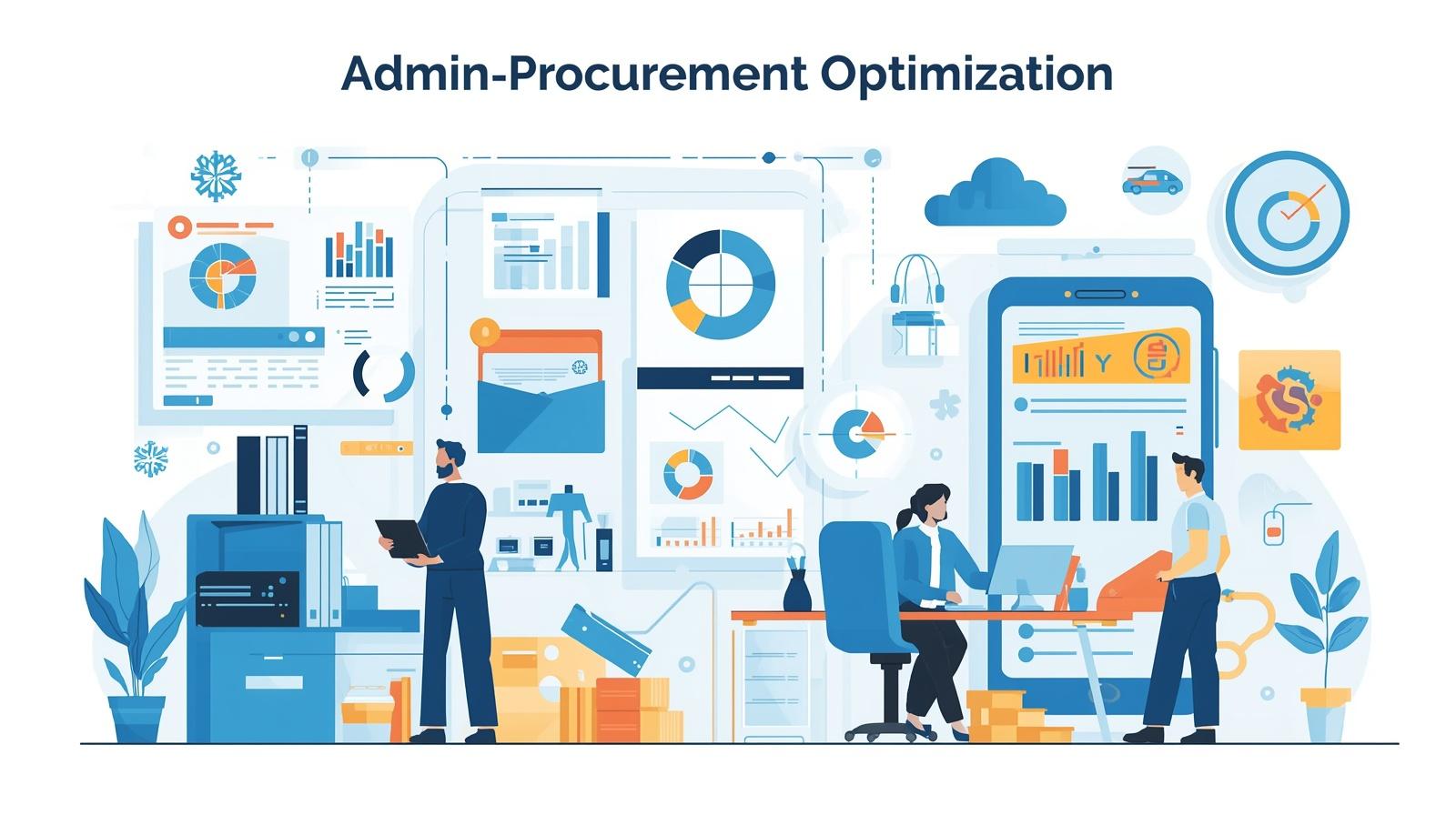

Procurement technology has transformed significantly over the past decade, evolving from basic digital tools to sophisticated platforms powered by artificial intelligence and automation. Understanding procurement technology trends to watch in 2025 is essential for businesses aiming to optimize efficiency and maintain a competitive edge.
Key factors driving change include:
- Rapid advancements in AI in procurement, enabling smarter decision-making.
- Growing demand for enhanced supply chain resilience amid global uncertainties
- Increasing focus on sustainability and ethical sourcing.
- The need to bridge the digital skills gap within procurement teams.
Keeping pace with emerging technologies is no longer optional. Adopting innovative solutions shapes the future of procurement, allowing organizations to streamline processes, reduce risks, and foster stronger supplier relationships. Recognizing these trends early positions you to leverage technology as a strategic advantage rather than just an operational necessity.
1. The Rise of AI Integration in Procurement
The AI integration in procurement is reshaping how organizations manage sourcing and supplier relationships. By 2025, studies show that nearly 75% of Chief Procurement Officers (CPOs) plan to adopt AI-driven tools as core components of their procurement strategies. This rapid uptake reflects AI’s ability to automate repetitive tasks and enhance decision-making accuracy.
Key applications include:
- Contract creation and compliance tracking: AI automates drafting and reviewing contracts, identifying clauses that may pose risks or deviate from standard terms. This reduces manual errors and accelerates contract cycles, making contract compliance audits more efficient. Moreover, the role of contract management in procurement becomes increasingly streamlined with these advancements.
- Risk analysis: AI models analyze supplier financials, geopolitical factors, and performance data to predict supply chain vulnerabilities. This enables proactive risk mitigation.
- Supplier selection: Machine learning algorithms evaluate historical supplier performance alongside market conditions, helping you choose vendors offering the best value and reliability.
AI-driven eSourcing platforms further streamline procurement by consolidating bidding, evaluation, and negotiation processes into a single interface. These platforms provide real-time insights into supplier proposals and market trends, empowering faster and more informed sourcing decisions.
The adoption of AI in procurement not only cuts operational costs but also frees teams to focus on strategic activities such as supplier innovation and relationship management. The adoption of these technologies marks a shift toward smarter, data-driven procurement operations that respond agilely to evolving business needs.
Moreover, understanding procurement terms is essential for better communicating the value of procurement within an organization. Additionally, embracing GPO membership benefits can further enhance procurement efficiency by leveraging collective buying power. However, it’s crucial to navigate through common misconceptions about purchasing processes; thus engaging in some mythbusting about GPOs could provide valuable insights.
2. Generative and Agentic AI: Transforming Procurement Processes
Generative AI procurement tools are reshaping how procurement teams handle complex tasks. Key use cases include:
- Contract redlining: AI models automatically suggest edits and highlight risks or inconsistencies in contract drafts, accelerating negotiation cycles.
- Anomaly detection: Generative AI scans procurement data to catch irregularities or potential fraud, increasing accuracy in spend analysis and compliance monitoring.
- Chatbot interfaces: Conversational AI assists users by answering procurement-related queries, guiding them through workflows, and enabling faster issue resolution without human intervention.
Agentic AI applications represent the next evolution—autonomous systems that pursue defined goals with minimal human input. Unlike traditional AI, these systems can:
- Independently execute multi-step procurement processes,
- Adjust strategies dynamically based on real-time data,
- Collaborate across platforms to optimize sourcing decisions.
Such autonomous procurement systems drive significant improvements in workflow efficiency. They reduce manual bottlenecks, enable continuous decision-making support, and allow procurement professionals to focus on strategy rather than routine tasks.
The combination of generative and agentic AI introduces a new paradigm where technology not only assists but actively manages procurement operations. This shift enhances agility, improves risk mitigation, and unlocks higher value from procurement data across the organization.
Moreover, the integration of private sector group purchasing benefits into this AI-driven landscape can further amplify these advantages. By leveraging collective buying power through group purchasing, organizations can achieve significant cost savings and optimize their procurement processes even with limited resources. This synergy between advanced AI technologies and strategic group purchasing holds immense potential for transforming the future of procurement.
3. Automation and Workflow Orchestration Enhancing Efficiency
Procurement technology trends to watch in 2025 highlight workflow orchestration procurement as a game changer for operational efficiency. Modern procurement environments often struggle with legacy systems that don’t communicate seamlessly. Orchestration layers and ERP wrappers act as vital connectors, enabling smooth ERP integration without overhauling existing infrastructure. These middleware solutions translate and coordinate data flow between disparate systems, reducing manual intervention and errors.
Intake platforms are emerging as centralized hubs that unify user experience while enforcing governance policies. They simplify how procurement teams submit requests, access information, and track approvals. This unified interface eliminates process fragmentation and increases compliance visibility.
Automated procurement workflows deliver consistent execution of repetitive tasks such as purchase order approvals, supplier onboarding, and invoice processing. Automation reduces cycle times and frees up professionals to focus on strategic initiatives rather than administrative burdens.
Key benefits include:
- Enhanced data accuracy through integrated systems
- Greater transparency with real-time status tracking
- Faster response times enabled by automated notifications
- Improved compliance via standardized procedures embedded in workflows
Automation combined with workflow orchestration aligns procurement processes with organizational goals by minimizing bottlenecks and maximizing resource utilization. This approach positions procurement functions to respond agilely to changing business demands while maintaining control and oversight.
4. Procurement’s Evolving Strategic Role
Procurement in 2025 moves well beyond traditional cost management responsibilities. Its role expands into becoming a critical driver of strategic procurement 2025, where value creation, risk mitigation, and innovation take center stage.
Key areas shaping this shift include:
-
Supply Chain Resilience: Global uncertainties—from geopolitical tensions to climate disruptions—have exposed vulnerabilities in supply chains. Procurement leaders now prioritize resilience by diversifying suppliers, adopting real-time monitoring tools, and integrating contingency planning into sourcing decisions.
-
Sustainability in Procurement: Environmental concerns demand that procurement embed sustainability goals such as carbon reduction directly into its strategy. This means selecting suppliers based on eco-friendly practices, evaluating lifecycle impacts, and reporting on sustainability metrics alongside traditional performance indicators.
-
Supplier Collaboration for Digital Transformation: Procurement increasingly partners with suppliers to co-develop digital solutions that enhance transparency, agility, and innovation across the supply chain. These collaborations accelerate adoption of technologies like IoT, blockchain, and AI-driven analytics within supplier networks.
This expanded mandate requires procurement professionals to blend analytical rigor with strategic foresight. They act as orchestrators aligning organizational goals with supplier capabilities while championing sustainability and resilience as foundational pillars of modern procurement practice.
Moreover, the importance of effective sourcing strategies cannot be overstated. These strategies are not only vital for hiring top talent but also play a crucial role in leveraging drastic cost reduction through collective spend. Understanding the difference between strategic sourcing and category management is essential for maximizing procurement efficiency.
Lastly, discovering the best procurement software and outsourcing companies can revolutionize your procurement strategy. Leading service providers offer solutions that streamline processes and improve overall performance (discover more here).
5. Addressing the User Experience and Skills Gap
Improving the procurement user experience is critical as technology becomes more complex. You need tools that are intuitive and accessible, but not at the expense of essential human support. A user-friendly interface encourages adoption across teams, reducing resistance to new systems. Meanwhile, expert guidance remains vital for interpreting data insights and handling exceptions that automation can’t resolve.
The digital skills gap within procurement teams creates significant challenges. Many professionals lack advanced capabilities in data analytics, AI tool operation, and digital collaboration platforms. This gap slows down technology adoption and limits the full potential of procurement innovations.
Strategies for upskilling procurement teams focus on practical, ongoing learning initiatives:
- Targeted training programs: Focus on analytics, AI literacy, and software proficiency tailored to procurement workflows.
- Mentorship and peer learning: Encourage knowledge sharing between digitally savvy employees and others.
- Hands-on experience: Integrate real-world scenarios using new tools to build confidence.
- Cross-functional collaboration: Engage IT and data science teams to support skill development in specialized areas.
Closing this skills gap empowers procurement professionals to leverage emerging technologies effectively, driving better decision-making and operational efficiency.
6. Risk Management and Compliance in a Digital Era
Procurement risk management faces new challenges as cloud-based platforms and AI tools become standard. These technologies increase exposure to cybersecurity threats such as data breaches, ransomware, and unauthorized access. Protecting sensitive procurement data requires robust security protocols tailored to these digital environments.
The Importance of AI Governance Frameworks
AI governance frameworks are essential for responsible use of intelligent systems in procurement. These frameworks guide ethical AI deployment, ensuring transparency, fairness, and accountability. They help prevent biases in supplier selection algorithms and maintain compliance with regulatory requirements.
A key strategy to mitigate risks is through compliance-driven sourcing, which can enhance reputation, reduce risks, and align with ethical standards.
Key Focus Areas for Risk Management
Key focus areas include:
- Data Protection: Encrypting procurement data at rest and in transit minimizes the risk of leaks. Access controls must be strictly enforced to limit exposure.
- Compliance Enforcement: Automated monitoring tools verify adherence to both internal policies and external regulations like GDPR or industry-specific standards.
- Operational Risk Mitigation: Continuous risk assessments identify vulnerabilities introduced by new technologies. Incident response plans tailored for procurement platforms ensure quick recovery from cyberattacks.
Organizations that integrate these elements into their procurement technology strategies position themselves to navigate increasing complexities safely. As Procurement Technology Trends to Watch in 2025 highlight, combining cybersecurity awareness with AI governance becomes a critical pillar for secure and compliant procurement operations.
7. Market Dynamics Driving Procurement Technology Adoption
The global procurement software market is experiencing rapid expansion, with forecasts estimating it will reach $9.5 billion by 2028. This growth reflects increasing organizational investments in technology to enhance procurement capabilities and adapt to evolving business needs.
Two Main Types of Solutions
Two primary categories define the diversity of solutions available:
- ERP bolt-ons: These are extensions or add-ons integrated into existing Enterprise Resource Planning systems. ERP bolt-ons appeal to companies seeking incremental improvements without overhauling their entire technology stack. They offer convenience through familiar interfaces and centralized data but may lack the agility and specialized features of standalone platforms.
- Specialized SaaS procurement solutions: Cloud-based Software as a Service (SaaS) platforms focus specifically on procurement functions such as sourcing, supplier management, contract lifecycle management, and spend analytics. These solutions provide flexibility, frequent updates, and advanced capabilities like AI-driven insights and automation tools. SaaS options often lead in innovation due to their modular design and ease of deployment.
Factors Influencing Adoption
Factors driving adoption include the need for seamless integration with legacy systems, scalability to support growing supply chains, and enhanced user experiences tailored to diverse procurement roles. Businesses face choices between leveraging existing ERP investments or transitioning toward more agile SaaS environments depending on their strategic priorities and digital maturity.
This dynamic market landscape encourages continuous innovation and competition among vendors, ultimately benefiting procurement teams seeking robust technology tailored to complex challenges. For instance, understanding salary trends in the procurement engineering field can help organizations align their hiring strategies with market realities while also considering tips for managing a one-person procurement function for smaller teams.
Moreover, embracing diversity, equity, and inclusion within procurement teams can drive better decision-making and foster innovation. Additionally, understanding the difference between purchasing groups versus group purchasing organizations can further optimize procurement strategies in this evolving landscape.
8. Sustainability and Supplier Collaboration as Priority Trends
Sustainable procurement in 2025 is no longer a niche concern but a core element of procurement strategies. Companies are embedding environmental goals directly into their sourcing decisions, aiming to reduce carbon footprints and promote circular economy principles. This shift reflects growing regulatory pressures and consumer demand for responsible business practices.
Strategic supplier collaboration innovation plays a crucial role in achieving these sustainability targets. Procurement teams are moving beyond transactional relationships toward partnerships that encourage transparency, joint problem-solving, and shared value creation. These collaborations help identify eco-friendly materials, optimize logistics for lower emissions, and drive cost-efficiency through aligned innovations.
Digital transformation acts as the backbone enabling this enhanced supplier collaboration. Platforms incorporating real-time data sharing, automated compliance checks for sustainability standards, and AI-powered supplier risk assessments facilitate seamless interaction across the supply chain. These technologies support actionable insights that empower both buyers and suppliers to meet environmental commitments effectively.
Key strategies include:
- Embedding sustainability criteria into supplier selection processes
- Leveraging collaborative digital tools to foster innovation
- Aligning cost reduction efforts with environmental responsibility
However, it’s important to note that these strategies should not only focus on sustainability but also on maximizing supplier performance, ensuring quality and reliability in the process.
The Procurement Technology Trends to Watch in 2025 emphasize this dual focus on sustainability and supplier partnership, making them essential priorities for procurement leaders aiming to future-proof their organizations. As we move forward, the journey of purchasing will be one of continuous learning and adaptation, a philosophy championed by experts like Frank Corris who believe in mastering procurement through strategic thinking and ongoing education.