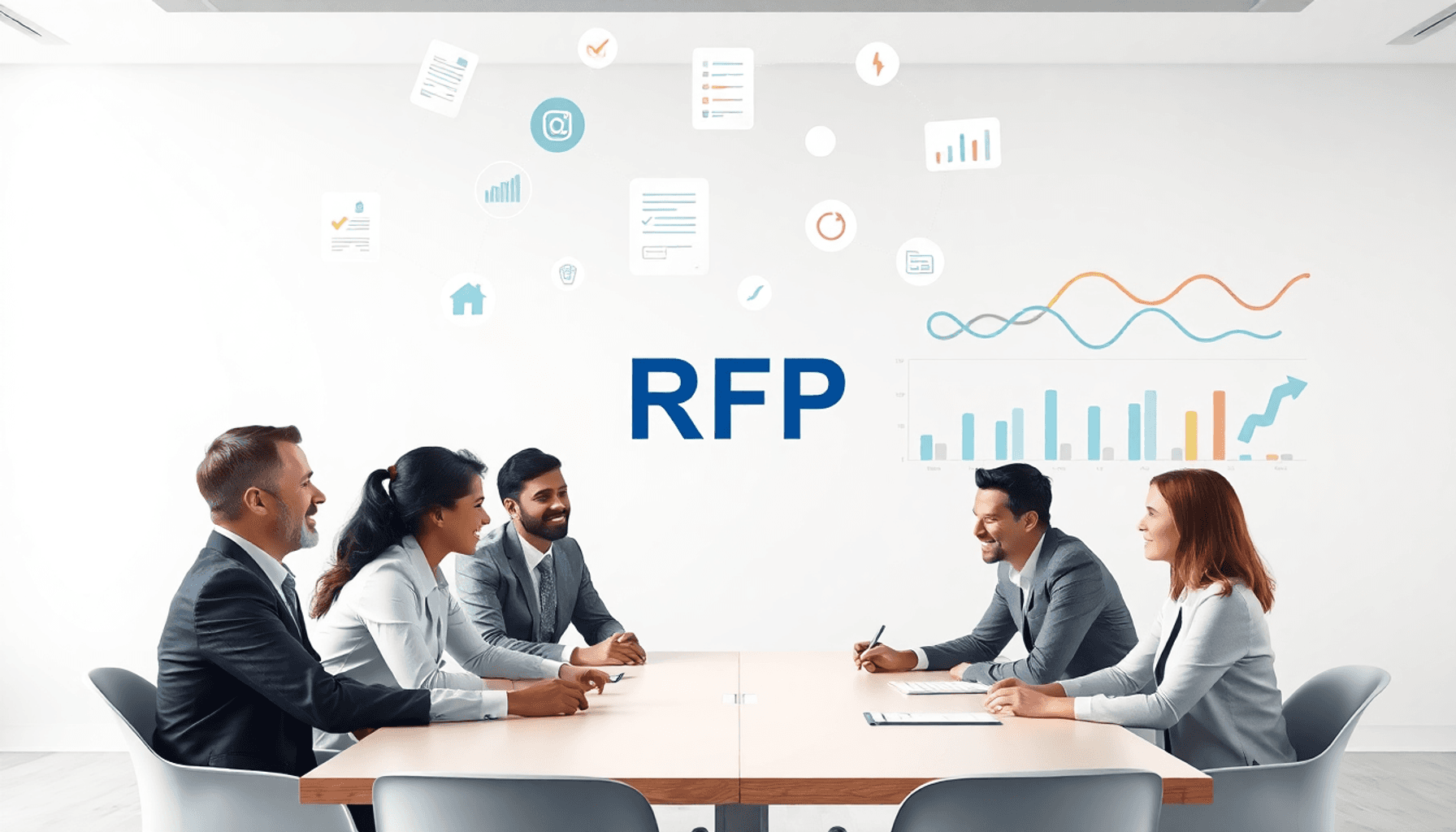
A Request for Proposal (RFP) is a formal document used in the procurement process to invite vendors or service providers to submit bids for specific projects or services. It serves as a clear communication tool that outlines an organization’s needs and expectations, helping to ensure that potential vendors understand the project requirements thoroughly.
Understanding the RFP definition is crucial because it helps organizations:
- Identify and select the best vendors efficiently
- Establish transparent criteria for evaluation
- Promote competitive bidding, which can lead to better pricing and quality
The significance of an RFP lies in its ability to structure complex procurement tasks, making it easier to manage vendor relationships and project outcomes. This is particularly important in areas such as supplier relationship management, where effective communication and understanding of project requirements can lead to successful partnerships.
Mastering how RFPs work empowers you to navigate procurement with confidence and precision, increasing your chances of finding the right partner for your project. This knowledge becomes even more beneficial when combined with strategies like strategic sourcing vs category management, which can further streamline the vendor selection process.
In addition, understanding how to maximize federal grant funding for nonprofits can be a game changer for organizations seeking financial support through grants. Finally, remember that maintaining employee morale during the procurement process is essential. Providing necessary resources can greatly enhance productivity and satisfaction among team members involved in these projects.
What is a Request for Proposal (RFP)?
A Request for Proposal (RFP) is a formal document used by organizations to announce a project and invite qualified vendors to submit competitive bids. It serves as both a detailed project announcement and a guideline for vendors to understand the organization’s needs, expectations, and evaluation criteria.
The RFP is more than just an invitation; it is a structured framework that ensures transparency and fairness throughout the vendor selection process.
Where are RFPs used?
You encounter RFPs across a wide range of industries and projects. Common examples include:
- Construction projects: Large-scale developments such as commercial buildings, infrastructure upgrades, or public works require precise specifications and compliance standards that an RFP clearly outlines.
- IT acquisitions: Software implementations, network infrastructure setups, or cybersecurity solutions often call for RFPs to capture technical requirements and service-level agreements.
- Healthcare system upgrades: Hospitals and clinics may issue RFPs when seeking advanced medical equipment, electronic health record (EHR) systems, or facility renovations. In these cases, essential PPE for airborne precautions in healthcare might also be specified in the RFP.
How do RFPs benefit projects?
Each type of project benefits from the RFP’s ability to communicate complex requirements while soliciting detailed vendor proposals. The project announcement in an RFP sets expectations for deliverables, timelines, and quality standards. Vendors respond with bids that demonstrate their capabilities, pricing models, and innovative approaches tailored to those requirements.
The formal nature of an RFP document helps reduce ambiguity during procurement. It creates an equal footing where all potential vendors can compete based on clear criteria rather than informal negotiations. This level of professionalism improves the chances of selecting the best vendor fit for the specific project goals.
However, managing supplier relationships effectively is crucial for project success. Organizations need to focus on ensuring quality and reliability in their offerings.
Moreover, leveraging technology can greatly enhance the procurement process. By discovering the best procurement software, organizations can streamline operations and improve efficiency.
It’s also important to consider potential risks in the supply chain during the procurement process. Implementing strategies for supply chain risk mitigation can help organizations navigate uncertainties effectively.
For those interested in starting a career in this field, there are numerous opportunities available. Exploring entry-level procurement jobs can provide valuable experience and insights into the procurement process.
Key Components of an RFP Document
An effective Request for Proposal (RFP) clearly defines the project goals and sets expectations for both the issuing organization and prospective vendors. The essential elements of a well-structured RFP include:
1. Introduction and Background
This section provides context about your organization or project. It explains who you are, why the project exists, and what you aim to achieve. Clear background information helps vendors tailor their proposals to fit your specific needs.
2. Detailed Statement of Work (SOW)
The SOW outlines the scope of work, detailing the tasks, responsibilities, milestones, and expected deliverables. This part should be explicit to avoid ambiguity—vendors must understand exactly what they are committing to.
3. Product or Service Specifications
Describe technical or functional requirements that the product or service must meet. These specifications guide vendors in proposing solutions that align with your operational standards and quality expectations.
4. Instructions for Proposal Submission
Set clear guidelines on how vendors should submit their proposals. Include submission formats (e.g., PDF, online portal), deadlines, contact points for questions, and any mandatory documents or certifications required.
5. Evaluation Criteria
Define how you will assess each proposal. Criteria might include price competitiveness, technical capability, experience, compliance with requirements, and timelines. Using evaluation criteria ensures transparency and fairness during vendor selection.
6. Contract Terms and Conditions
Outline preliminary terms related to payment schedules, warranties, confidentiality clauses, dispute resolution processes, and termination conditions. Including these upfront helps vendors understand contractual obligations before bidding.
Each component plays a crucial role in shaping responses that match your project’s demands. Omitting details can lead to unclear bids or misalignment between expectations and deliverables. Taking time to develop comprehensive sections strengthens the foundation for a successful procurement process.
In addition to these components, it’s also crucial to consider the resource aspect of your project. If you’re working with limited resources, implementing strategies such as those outlined in this guide on how to succeed with limited resources can be beneficial.
Moreover, if your organization is considering group purchasing options in the private sector, understanding the benefits of private sector group purchasing can lead to significant cost savings.
Lastly, remember that achieving cost efficiency is not just about managing your budget but also about adopting a mindset of frugality as suggested in this article about the art of frugal living.
The RFP Process Step-by-Step
The Request for Proposal (RFP) process involves a series of structured steps designed to ensure transparent vendor selection and thorough proposal evaluation. Understanding each phase helps you manage the complexities involved and improves the chances of selecting the right partner for your project.
1. Initial Drafting with Stakeholder Input
Begin by drafting the RFP document based on the project requirements identified by your team. Involve key stakeholders early to gather diverse perspectives and incorporate feedback. This step ensures the scope, objectives, and evaluation criteria are well-defined, reducing ambiguity later. It’s also an opportunity to integrate principles of [Diversity, Equity, and Inclusion (DEI)](https://hubzonedepot.com/uncategorized/what-is-dei-understanding-diversity-equity-and-inclusion-in-the-workplace) into your vendor selection process.
2. Distribution and Vendor Communication
Once finalized, distribute the RFP to a targeted list of potential vendors. Managing communications during this phase is critical—vendors often have questions that require prompt, clear responses. Hosting a Q&A session or maintaining a centralized communication channel can foster transparency and equal access to information.
3. Receiving and Organizing Proposals
Collect all submitted proposals by the deadline specified in your RFP instructions. Organize them systematically, typically by assigning unique identifiers or using software tools designed for proposal management. Proper organization facilitates efficient review and comparison.
4. Reviewing Proposals Using Evaluation Criteria
Evaluate submissions against the pre-established criteria listed in your RFP document. Use scoring rubrics or weighted matrices to objectively assess each proposal’s strengths and weaknesses related to price, technical capability, experience, and compliance with specifications.
5. Soliciting Best-and-Final Offers (BAFO)
If needed, invite top candidates to submit best-and-final offers. This step encourages vendors to refine their proposals, potentially improving pricing or terms before final selection.
6. Final Vendor Selection and Contract Awarding
Select the vendor that best meets your project needs based on thorough evaluation results. Proceed with awarding the contract while ensuring all legal and procedural requirements are met to formalize the agreement.
Each stage in this vendor selection process demands careful attention to detail and adherence to deadlines, helping maintain fairness and accountability throughout your procurement activities. Effective RFP drafting paired with rigorous proposal evaluation ultimately drives successful project outcomes.
Additionally, consider exploring different purchasing strategies such as group purchasing, which can provide significant cost savings and efficiencies in procurement.
Benefits and Challenges of Using an RFP in Procurement
Using a Request for Proposal (RFP) brings distinct advantages that enhance the procurement process by enforcing clarity, transparency, and fairness.
Advantages:
- Clarity in defining project needs and expectations: An RFP forces organizations to articulate detailed project requirements, objectives, and deliverables. This clarity helps vendors understand exactly what is expected, reducing misunderstandings and scope creep.
- Encouragement of competitive pricing: Open bidding through an RFP invites multiple vendors to submit proposals, which naturally fosters competition. This competitive pricing can lead to cost savings and better value for your organization. In fact, leveraging drastic cost reduction through collective spend can further enhance these savings.
- Reduction of favoritism or bias: Especially critical in government and public sector contracts, the structured nature of RFPs promotes transparency and fairness. The formal evaluation criteria minimize subjective decision-making, ensuring vendor selection is merit-based.
- Systematic evaluation of vendor capabilities: With predefined scoring rubrics and evaluation methods, you gain a comprehensive view of vendor qualifications, experience, proposed solutions, and compliance with requirements. This structured evaluation supports informed decisions aligned with project goals. Incorporating compliance-driven sourcing into this process can enhance reputation, reduce risks, and align with ethical standards.
- Versatility in application: RFPs are not limited to procurement alone; they can also be effectively used in areas like human resources, making them a versatile tool for various organizational needs.
Challenges:
- Time investment required: Preparing a thorough RFP demands significant effort from your team to gather input from various stakeholders, define specifications precisely, and establish evaluation criteria. Vendors also need time to craft detailed proposals responding to all requirements.
- Complexity deterring smaller vendors: The formal process and extensive documentation might discourage smaller or less-resourced vendors from participating. Their limited capacity may hinder their ability to respond effectively despite potentially offering innovative or cost-effective solutions.
Balancing these benefits against the challenges is essential when deciding to use an RFP approach. Understanding this dynamic helps you optimize the procurement strategy for your project’s unique needs while maintaining fairness and encouraging competitive pricing through transparent vendor selection processes.
Moreover, during tough times such as a crisis where procurement processes may be strained, it’s crucial to build resilience for tough times. Continuous learning and adaptation are key in such scenarios as highlighted in Frank Corris’s transformative journey in mastering procurement through learning & adaptation.
Managing the Timeline and Tools for Effective RFP Administration
Keeping the RFP process on schedule demands careful timeline management. Setting clear deadlines for each phase—proposal submission, evaluation, vendor Q&A, and final decision—helps prevent bottlenecks and ensures all stakeholders remain aligned. You should communicate these deadlines early and reinforce them regularly to maintain momentum.
Use these strategies to manage your timeline effectively:
- Define realistic deadlines. Consider internal review cycles and vendor response times.
- Segment the process. Break down the RFP into stages with individual due dates.
- Build in buffer time. Allow for unexpected delays or extended clarifications.
- Communicate consistently. Regular updates and reminders keep both your team and vendors informed.
Leveraging proposal evaluation tools can dramatically increase efficiency and accuracy. Automated scoring rubrics reduce subjectivity by standardizing how proposals are rated across criteria like cost, technical capability, and compliance. These tools often include dashboards that visualize vendor rankings, enabling quicker comparisons.
Software solutions designed for procurement management simplify multiple tasks:
- Drafting and formatting RFP documents
- Distributing RFPs to targeted vendors
- Tracking submissions in real time
- Facilitating Q&A interactions with clear audit trails
- Organizing proposal evaluations with collaborative access
It’s crucial to understand that an RFP is just one part of a broader procurement orchestration process which also includes RFI and RFQ stages that serve specific purposes in gathering information and obtaining quotes respectively.
Effective communication strategies support smooth interactions throughout the process. Centralized platforms allow you to manage questions from vendors transparently, ensuring everyone gains access to the same information simultaneously. This transparency builds trust and reduces misunderstandings.
Investing effort in timeline discipline paired with the right technology creates a streamlined RFP administration experience. It empowers your team to focus on qualitative assessment rather than administrative burden, improving both speed and quality of vendor selection.
However, it’s important to remember that effective sourcing strategies can also play a significant role in hiring top talent during this process.
Conclusion
Embracing clarity, fairness, and structured evaluation forms the foundation of an effective procurement strategy. When you clearly define your project needs and apply transparent criteria, you set the stage for competitive bidding success. This approach not only ensures you select the best vendor but also builds trust and accountability throughout the process.
The Request for Proposal (RFP): What It Is and How It Works guide highlights how a well-crafted RFP can transform your vendor selection into a systematic, efficient, and equitable exercise. Leveraging platforms like Hubzone Depot, which offers streamlined access to qualified vendors, simplifies communication, and enhances procurement efficiency.
Consider these key takeaways:
- Clear RFPs reduce confusion and miscommunication.
- Structured evaluations help avoid bias.
- Efficient tools save time and improve outcomes.
To achieve better results in your next procurement project, it might be beneficial to explore some tips for managing a one-person procurement function, or understand the procurement engineer salary trends as you plan your hiring strategy. Additionally, being aware of certain procurement terms to avoid can significantly enhance communication about the value of procurement. Lastly, don’t overlook the importance of tail spend management in optimizing your overall procurement strategy.