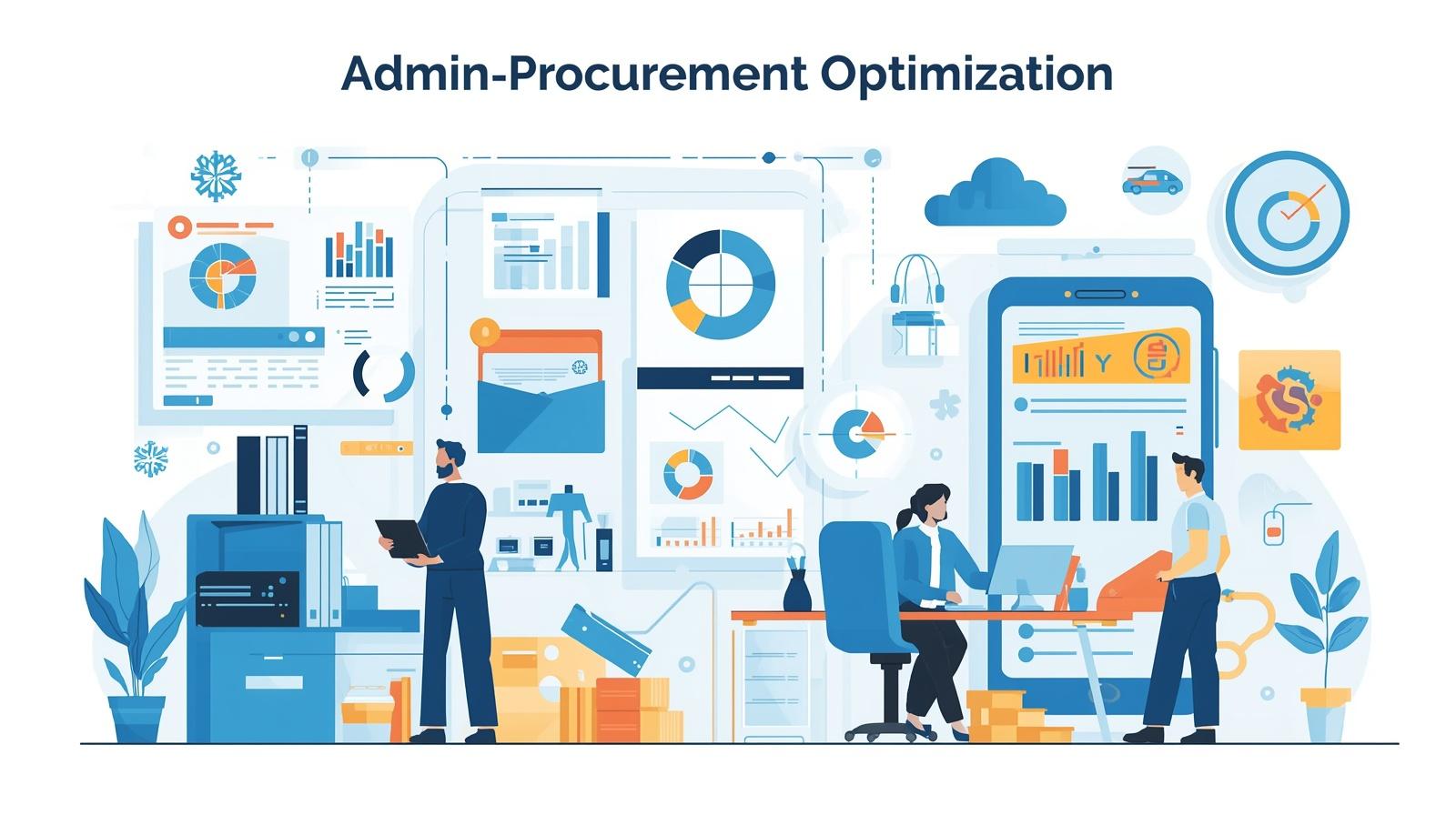

Secure sourcing strategies are essential frameworks designed to ensure the consistent acquisition of goods and services from suppliers who demonstrate reliability, quality, and compliance. These strategies go beyond simple procurement by incorporating risk management, relationship building, and long-term planning to safeguard the supply chain.
Reliable suppliers play a critical role in maintaining business continuity. Without dependable partners, companies face increased risks of delays, quality issues, and operational disruptions that can negatively impact customer satisfaction and profitability. Supply chain resilience depends heavily on establishing strong connections with suppliers who can adapt to challenges and deliver consistently.
This blog focuses on strategic approaches to supplier reliability that help businesses build a stable and secure supply network. You will learn about methods such as supplier segmentation, effective negotiation tactics, risk management techniques, leveraging digital tools, contract management best practices, and continuous improvement through supplier intelligence. Each section provides practical insights aimed at enhancing your ability to secure reliable suppliers and strengthen your overall sourcing process.
Leveraging Federal Grant Funding for Nonprofits
One strategic approach is maximizing federal grant funding for nonprofits. This can provide additional resources that enhance sourcing capabilities and supplier reliability. Learn more about how to effectively maximize these funds.
Enhancing Employee Morale with Break Room Supplies
Another aspect to consider is how the sourcing of specific items such as break room supplies can impact employee morale. Reliable suppliers for these essential items can contribute positively to the workplace environment. Discover how boosting employee morale with break room supplies can be a part of your secure sourcing strategy.
Importance of PPE in Healthcare Sourcing
In sectors like healthcare, the importance of sourcing essential PPE for airborne precautions cannot be overstated. Establishing reliable supplier relationships in this area is crucial for patient safety and operational efficiency.
Debunking Myths Around Purchasing in GPOs
Understanding the complexities of purchasing through Group Purchasing Organizations (GPOs) is another key element. Our blog post on purchasing myth-busting GPOs provides valuable insights into this often misunderstood area.
Embracing Diversity, Equity, and Inclusion in Supplier Sourcing
Additionally, it’s important to recognize the role of diversity, equity, and inclusion in the sourcing process. Understanding what DEI means can help businesses cultivate a more inclusive supply chain that reflects these values.
Understanding Secure Sourcing Strategies
Strategic sourcing represents a comprehensive approach that goes beyond simple purchasing. It involves analyzing the entire supply chain, assessing supplier capabilities, and aligning procurement activities with business goals. The focus is on securing suppliers who not only meet price and quality requirements but also contribute to long-term stability and innovation.
Secure sourcing plays a crucial role in supplier reliability by actively minimizing risks that can disrupt supply continuity. This includes anticipating potential issues such as geopolitical instability, natural disasters, or financial troubles within the supplier base. Effective sourcing strategies embed risk management into every stage—from supplier selection to contract execution—ensuring your supply chain remains resilient under pressure.
Key objectives of strategic sourcing emphasize:
- Long-term value creation by fostering durable supplier relationships rather than chasing short-term cost savings.
- Cost optimization achieved through efficient negotiation, demand forecasting, and reducing total cost of ownership instead of just focusing on unit price. This approach is similar to leveraging drastic cost reduction through collective spend, which can significantly enhance your procurement strategy.
- Supply chain risk management as a core element, recognizing that reliable delivery schedules and quality assurance directly affect business continuity.
By integrating these elements, you develop a sourcing framework designed to protect your operations from unforeseen disruptions while building partnerships that support growth and competitive advantage. This foundation allows for targeted approaches such as strategic supplier segmentation, which sharpens focus on managing suppliers differently according to their impact on your business.
In addition to the above strategies, companies should also consider effective sourcing strategies for hiring top talent which can further enhance their operational efficiency. Furthermore, adopting principles from the art of frugal living could provide valuable insights into maximizing cost savings in daily operations.
1. Strategic Supplier Segmentation
Supplier segmentation involves categorizing your suppliers based on their strategic value to your business. This process is essential for focusing resources and attention where they matter most, ensuring secure sourcing and reliable supply chains.
Key points in supplier segmentation:
-
Strategic suppliers: These are high-value partners critical to your operations. They often provide unique products or services, require close collaboration, and need proactive risk management. Engaging in strategic sourcing with these suppliers can yield significant benefits.
-
Non-strategic suppliers: Typically low-value or transactional, these suppliers can be managed with standardized processes and less intensive oversight. This is where tail spend management comes into play, allowing businesses to streamline their procurement processes for these lower-tier suppliers.
Managing strategic suppliers differently from others allows you to tailor engagement approaches—such as frequent performance reviews, joint innovation initiatives, or shared risk mitigation plans—that reinforce reliability. For lower-tier suppliers, streamlined management reduces complexity and cost without compromising supply continuity.
This targeted approach enhances supplier security by prioritizing efforts on relationships that have the greatest impact on your business performance and continuity. Additionally, leveraging supplier relationship management strategies can further strengthen these crucial partnerships.
Moreover, considering the benefits of GPO membership for bulk purchasing can significantly improve cost efficiency. It’s also worth exploring the difference between purchasing groups and group purchasing organizations, as this knowledge can aid in better supplier segmentation and management.
2. Effective Supplier Negotiations for Reliability
Negotiations are a crucial part of Secure Sourcing Strategies for Reliable Suppliers. When planning these discussions, it’s important to rely on facts and data about supplier performance, market conditions, and your company’s needs. If reliability is your main concern, your negotiation strategies should prioritize securing consistent quality, on-time deliveries, and responsive support.
Building Trust Through Transparency
Trust is key in any negotiation. By being transparent during discussions, you can encourage open communication and help both parties understand each other’s goals. Instead of trying to “win” the negotiation at all costs, aim for outcomes that benefit both sides—where suppliers feel appreciated and motivated to maintain high standards. This approach aligns with the principles of ethical leadership, which emphasizes respect, transparency, and mutual benefit.
The Importance of Ethical Practices
Ethical negotiation practices are essential for long-lasting partnerships. Showing respect for supplier interests, avoiding aggressive tactics, and keeping promises all contribute to building trustworthiness. These actions can help prevent issues like suppliers losing interest or contract disagreements, leading to a more stable supply chain. Incorporating ethical contract management practices into your negotiations can further enhance trust and cooperation.
Beyond Cost Savings: Focusing on Relationships
It’s important to remember that effective supplier negotiations aren’t just about saving money—they’re also about establishing reliable relationships that can weather changes in the market or operational difficulties. This becomes even more critical during tough times when procurement strategies need to quickly adapt to build resilience.
3. Risk Management in Sourcing
Managing supply chain risk starts with identifying potential disruptions that can impact your sourcing reliability. These disruptions may come from natural disasters, political instability, supplier insolvency, or logistics failures. Recognizing these risks early allows you to prepare rather than react.
Develop Robust Contingency Planning
Developing robust contingency planning is essential to mitigate these risks. This includes adopting compliance-driven sourcing, which not only enhances your reputation and reduces risks but also aligns with ethical standards. Contingency plans should include:
- Alternative sourcing options
- Backup inventory strategies
- Clear communication protocols with suppliers and internal teams
This preparation reduces downtime and maintains supply continuity when unexpected events occur.
Implement Supplier Diversification
Supplier diversification plays a critical role in reducing dependency on a single source. By engaging multiple suppliers across different regions or markets, you spread risk and increase your ability to maintain steady deliveries even if one supplier faces challenges. Diversification also fosters competitive pricing and innovation by encouraging suppliers to perform at their best.
Focusing on these risk management practices strengthens your sourcing strategy, helping secure supply lines against uncertainty and disruption. Additionally, for those looking to enter the field, exploring entry-level procurement jobs can provide valuable experience in implementing such strategies effectively.
4. Leveraging Digital Tools for Secure Sourcing
Digitalization in sourcing is changing the way you manage supplier relationships and procurement processes. Using eSourcing software makes communication and bidding easier, creating a clear and efficient environment for choosing suppliers. This reduces delays caused by misunderstandings or manual mistakes.
Benefits of Digital Tools in Sourcing
The advantages of using digital tools in sourcing include:
- Faster, clearer communication with suppliers
- Efficient and competitive bidding processes
- Real-time performance monitoring through dashboards
- Enhanced decision-making powered by data analytics
- Continuity of sourcing activities amid external disruptions
How Digital Tools Improve Decision-Making
With digital tools, you can analyze data more effectively and make quick, informed decisions. You can track supplier performance, monitor cost changes, and stay updated on market trends in real time. This allows you to make proactive adjustments instead of waiting for a crisis to happen.
The Role of Technology in Building Resilience
Technology also helps you stay strong during difficult times like pandemics or logistics problems. Automated workflows and cloud-based platforms ensure that your operations continue even when face-to-face meetings or traditional methods are not possible. Supplier portals enable collaboration across different locations without slowing down or compromising quality.
In this context, adopting strategies that allow you to succeed with limited resources becomes crucial. These strategies could include embracing constraints, optimizing processes, and leveraging networks for business success.
Moreover, exploring options like private sector group purchasing can lead to significant cost savings and improved procurement efficiency.
Why You Need to Embrace Digital Solutions
In today’s ever-changing world, it’s no longer optional to embrace digital solutions; it has become necessary for securing reliable supply chains.
5. Contract Management Best Practices
Effective contract management is a cornerstone of Secure Sourcing Strategies for Reliable Suppliers. Clear and detailed supplier contracts set the foundation for mutual understanding and accountability. Key elements to define explicitly include:
- Scope: Specify the exact products or services, quality standards, and any exclusions.
- Deliverables: Outline what the supplier is expected to provide and in what form.
- Timelines: Set clear deadlines for delivery, milestones, and review points.
- Pricing: Include fixed or variable costs, payment schedules, and any penalties for delays.
Establishing KPIs in contracts helps ensure ongoing performance aligns with expectations. Common KPIs might track on-time delivery rates, defect percentages, or responsiveness to issues. Payment conditions linked to these KPIs reinforce compliance by tying remuneration to performance levels.
Including a well-defined dispute resolution mechanism prevents conflicts from escalating. This can involve mediation steps, arbitration clauses, or escalation procedures that both parties agree on upfront. Such provisions protect your business continuity by minimizing disruptions caused by supplier disagreements.
Moreover, implementing contract compliance audits can further enhance the contract management process. These audits help ensure that all parties adhere to the terms specified in the contract, thereby reducing the risk of disputes.
In addition to this, leveraging advanced procurement software can streamline the procurement process significantly. Such software often comes with features that facilitate better communication and tracking of procurement terms, making it easier to avoid common procurement terms that hinder effective communication.
6. Continuous Improvement through Supplier Intelligence
Continuous improvement depends heavily on supplier performance monitoring. Establishing ongoing systems to track key performance indicators (KPIs) allows you to maintain visibility over supplier reliability, quality, and delivery timelines. These systems create a structured feedback loop where data drives actionable insights.
To maximize supplier performance and ensure quality and reliability, it’s crucial to delve deeper into supplier intelligence. This goes beyond basic metrics; it involves analyzing trends, identifying gaps, and uncovering opportunities for process enhancements. For example, if a supplier consistently misses delivery windows by a small margin, early detection through monitoring enables proactive engagement to resolve issues before they escalate.
Leveraging this intelligence supports refinements in your sourcing strategies and strengthens supplier relationships. It encourages collaborative problem-solving and innovation, promoting mutual growth. Adopting a mindset of continuous enhancement ensures that your supply chain remains agile and responsive to changing market demands and risks.
This journey of continuous learning and adaptation in the procurement process is similar to Frank Corris’s transformative journey, which emphasizes mastering procurement through learning and strategic thinking. As we look ahead, it’s also essential to stay informed about the evolving landscape of procurement roles, including understanding the salary trends for procurement engineers in 2025, which can provide valuable insights for career planning in this field.
Conclusion
Securing your supply chain starts with identifying and partnering with reliable suppliers who align with your business goals. Implementing secure sourcing solutions involves strategic supplier segmentation, allowing you to focus resources on high-value partnerships that drive stability.
Negotiations grounded in transparency build trust and foster long-term collaboration, while robust risk management safeguards against unforeseen disruptions by encouraging diversification and contingency planning. Embracing digital tools enhances communication and decision-making, especially during challenging times like pandemics or logistics bottlenecks.
Clear contract management practices set expectations and protect both parties through well-defined terms and performance metrics. Continuous improvement fueled by supplier intelligence turns data into actionable insights, ensuring your sourcing strategy evolves alongside market dynamics.
Hubzone Depot exemplifies how leveraging these strategies can create a resilient procurement ecosystem. Their approach highlights the importance of combining technology, ethical negotiations, and ongoing performance tracking to maintain a reliable supply network.
Implementing the Secure Sourcing Strategies for Reliable Suppliers outlined here equips you to build a supply base that not only meets current demands but also adapts to future challenges—strengthening business continuity and competitive advantage.