Spend Analysis in Procurement: Data-Driven Strategies for CFOs
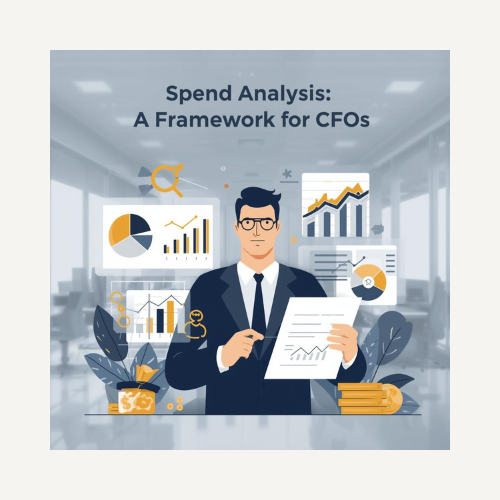
Defining Spend Analysis: A Framework for CFOs
A robust spend analysis framework is essential for CFOs aiming to enhance procurement efficiency. It fits best when organizations have a significant volume of indirect spending, as this area often harbors the greatest opportunities for cost reduction and process improvement.
One key limitation is the reliance on data accuracy. Inaccurate or incomplete data can lead to misguided insights, making it critical to establish strong data governance processes before initiating spend analysis. Without this foundation, even the most sophisticated analytics can yield erroneous conclusions.
Components of Spend Analysis
To effectively conduct spend analysis in procurement, CFOs must understand its core components: data sources, categories, and metrics. For instance, an organization might consolidate purchase orders from multiple departments into a centralized database. This allows for categorization by supplier and spending type, facilitating a more nuanced analysis that reveals patterns and anomalies.
- Data Sources: ERP systems, procurement software, and invoice records.
- Categories: Direct vs. indirect spend, departmental allocations.
- Metrics: Spend under management, compliance rates, and savings achieved.
Spend visibility is crucial; without it, organizations risk overspending in critical areas.
Most teams overestimate their ability to analyze complex datasets without proper training or tools, notes industry experts. This misconception can lead to ineffective analyses that waste time and resources. Investing in training staff on data interpretation can help avoid these pitfalls.
Establishing a tailored framework involves not only selecting appropriate tools but also identifying key stakeholders, emphasizes procurement specialists. Engaging finance teams early ensures alignment with organizational goals while also fostering collaboration across departments.
A robust spend analysis framework is essential for CFOs aiming to enhance procurement efficiency. It fits best when organizations have a significant volume of indirect spending, as this area often harbors the greatest opportunities for cost reduction and process improvement.
One key limitation is the reliance on data accuracy. Inaccurate or incomplete data can lead to misguided insights, making it critical to establish strong data governance processes before initiating spend analysis. Without this foundation, even the most sophisticated analytics can yield erroneous conclusions.
Components of Spend Analysis
To effectively conduct spend analysis in procurement, CFOs must understand its core components: data sources, categories, and metrics. For instance, an organization might consolidate purchase orders from multiple departments into a centralized database. This allows for categorization by supplier and spending type, facilitating a more nuanced analysis that reveals patterns and anomalies.
- Data Sources: ERP systems, procurement software, and invoice records.
- Categories: Direct vs. indirect spend, departmental allocations.
- Metrics: Spend under management, compliance rates, and savings achieved.
Spend visibility is crucial; without it, organizations risk overspending in critical areas.
Most teams overestimate their ability to analyze complex datasets without proper training or tools, notes industry experts. This misconception can lead to ineffective analyses that waste time and resources. Investing in training staff on data interpretation can help avoid these pitfalls.
Establishing a tailored framework involves not only selecting appropriate tools but also identifying key stakeholders, emphasizes procurement specialists. Engaging finance teams early ensures alignment with organizational goals while also fostering collaboration across departments.
Leveraging Data Analytics Tools for Enhanced Spend Insights
Data analytics tools are essential in spend analysis in procurement, particularly for organizations aiming to derive actionable insights from their spending data. These tools fit best when procurement teams require deep visibility into spending patterns across multiple categories and suppliers.
However, a significant limitation is the potential complexity of integration with existing systems. Many analytics platforms require substantial setup and customization, which can divert resources away from immediate procurement needs. If the integration process is not managed effectively, it can lead to delays in obtaining valuable insights.
For example, a mid-sized manufacturing firm might implement a spend analysis tool that aggregates data from its ERP system and procurement software. This tool could identify high-spend categories and alert the procurement team to negotiate better terms with suppliers. By centralizing this information, the organization can streamline decision-making processes.
Many teams overestimate their ability to extract insights without fully leveraging advanced features of these tools. Often, organizations settle for basic reporting capabilities instead of utilizing predictive modeling or machine learning algorithms that could enhance forecasting accuracy and supplier performance evaluation.
Evaluating Different Analytics Tools
When evaluating analytics tools specific to procurement needs, organizations should prioritize features like real-time data processing and user-friendly dashboards. Tools that offer customizable reporting capabilities allow teams to focus on metrics that matter most to their specific goals.
- Real-time data processing: Enables immediate adjustments based on spending patterns.
- Customizable dashboards: Tailors insights according to departmental needs.
- Integration capabilities: Ensures seamless data flow between systems.
The right tool should not only analyze past spending but also predict future trends.
Data analytics tools are essential in spend analysis in procurement, particularly for organizations aiming to derive actionable insights from their spending data. These tools fit best when procurement teams require deep visibility into spending patterns across multiple categories and suppliers.
However, a significant limitation is the potential complexity of integration with existing systems. Many analytics platforms require substantial setup and customization, which can divert resources away from immediate procurement needs. If the integration process is not managed effectively, it can lead to delays in obtaining valuable insights.
For example, a mid-sized manufacturing firm might implement a spend analysis tool that aggregates data from its ERP system and procurement software. This tool could identify high-spend categories and alert the procurement team to negotiate better terms with suppliers. By centralizing this information, the organization can streamline decision-making processes.
Many teams overestimate their ability to extract insights without fully leveraging advanced features of these tools. Often, organizations settle for basic reporting capabilities instead of utilizing predictive modeling or machine learning algorithms that could enhance forecasting accuracy and supplier performance evaluation.
Evaluating Different Analytics Tools
When evaluating analytics tools specific to procurement needs, organizations should prioritize features like real-time data processing and user-friendly dashboards. Tools that offer customizable reporting capabilities allow teams to focus on metrics that matter most to their specific goals.
- Real-time data processing: Enables immediate adjustments based on spending patterns.
- Customizable dashboards: Tailors insights according to departmental needs.
- Integration capabilities: Ensures seamless data flow between systems.
The right tool should not only analyze past spending but also predict future trends.
Identifying Cost-Saving Opportunities through Spend Visibility
Effective spend analysis in procurement reveals cost-saving opportunities by providing visibility into historical spending patterns. This approach is best for organizations that have diverse spending categories and need to identify inefficiencies across various departments.
However, a common limitation is the potential for data overload. Organizations may collect extensive data without a clear focus on actionable insights, leading to analysis paralysis. Teams must prioritize which areas of spend require deeper scrutiny to prevent wasting resources on irrelevant details.
Analyzing Historical Spending Patterns
To uncover inefficiencies, procurement teams should analyze historical spending patterns by categorizing expenses and identifying trends over time. For instance, a retail company might examine its monthly expenditures on office supplies to spot unusual spikes in spending that could indicate vendor pricing issues or unnecessary purchases.
Benchmarking Against Industry Standards
Benchmarking against industry standards is another crucial step in identifying cost-saving opportunities. By comparing their spending metrics with those of similar organizations, companies can pinpoint areas where they may be overspending. A technology firm, for example, could assess its software licensing costs against industry averages to determine if it is paying more than necessary.
Developing Targeted Strategies
Once high-spend categories are identified through analysis and benchmarking, targeted strategies can be developed. This might involve renegotiating contracts with suppliers or consolidating purchases to leverage volume discounts. A healthcare organization might consolidate its medical supply purchases under fewer vendors to negotiate better pricing based on increased order volumes.
Spend visibility enables proactive decision-making; without it, opportunities for savings may go unnoticed.
Most teams misuse spend analysis by failing to act on insights gained from their data, notes procurement experts. They often overlook the importance of follow-through after identifying potential savings. Implementing changes based on findings is critical; otherwise, the analysis becomes an academic exercise rather than a driver of real cost reductions.
Effective spend analysis in procurement reveals cost-saving opportunities by providing visibility into historical spending patterns. This approach is best for organizations that have diverse spending categories and need to identify inefficiencies across various departments.
However, a common limitation is the potential for data overload. Organizations may collect extensive data without a clear focus on actionable insights, leading to analysis paralysis. Teams must prioritize which areas of spend require deeper scrutiny to prevent wasting resources on irrelevant details.
Analyzing Historical Spending Patterns
To uncover inefficiencies, procurement teams should analyze historical spending patterns by categorizing expenses and identifying trends over time. For instance, a retail company might examine its monthly expenditures on office supplies to spot unusual spikes in spending that could indicate vendor pricing issues or unnecessary purchases.
Benchmarking Against Industry Standards
Benchmarking against industry standards is another crucial step in identifying cost-saving opportunities. By comparing their spending metrics with those of similar organizations, companies can pinpoint areas where they may be overspending. A technology firm, for example, could assess its software licensing costs against industry averages to determine if it is paying more than necessary.
Developing Targeted Strategies
Once high-spend categories are identified through analysis and benchmarking, targeted strategies can be developed. This might involve renegotiating contracts with suppliers or consolidating purchases to leverage volume discounts. A healthcare organization might consolidate its medical supply purchases under fewer vendors to negotiate better pricing based on increased order volumes.
Spend visibility enables proactive decision-making; without it, opportunities for savings may go unnoticed.
Most teams misuse spend analysis by failing to act on insights gained from their data, notes procurement experts. They often overlook the importance of follow-through after identifying potential savings. Implementing changes based on findings is critical; otherwise, the analysis becomes an academic exercise rather than a driver of real cost reductions.
Implementing Supplier Performance Metrics within Spend Analysis
Supplier performance metrics are critical in spend analysis in procurement, particularly for organizations looking to optimize supplier relationships and enhance overall procurement efficiency. This approach fits best when organizations have established a baseline of data on supplier performance and compliance.
A significant limitation is that developing effective metrics requires considerable upfront investment in data collection and analysis capabilities. Organizations may underestimate the time and resources needed to establish a reliable framework for tracking these metrics, which can delay the realization of benefits.
For example, a large retail chain might implement a supplier scorecard system that evaluates suppliers based on delivery performance, quality of goods, and compliance with contract terms. This system enables procurement teams to identify underperforming suppliers quickly and take corrective actions, such as renegotiating contracts or seeking alternative vendors.
Many teams misjudge the complexity of establishing meaningful KPIs. They often select metrics that are easy to track rather than those that truly reflect supplier value or risk. As a result, they may focus on superficial indicators while neglecting deeper insights that could inform strategic decisions.
Establishing KPIs to Evaluate Supplier Performance and Compliance
Choosing the right Key Performance Indicators (KPIs) is fundamental for evaluating supplier performance effectively. Commonly used KPIs include on-time delivery rates, defect rates, and compliance with service level agreements (SLAs). These metrics provide a quantitative basis for assessing how well suppliers meet contractual obligations.
- On-time delivery rates: Measures reliability in fulfilling orders.
- Defect rates: Evaluates the quality of goods received.
- Compliance with SLAs: Assesses adherence to agreed-upon terms.
Effective KPIs should align with organizational goals and provide actionable insights into supplier performance.
| Supplier Name | % On-Time Delivery | % Defect Rate |
|---|---|---|
| Supplier A | 95 | 2 |
| Supplier B | 88 | 5 |
| Supplier C | 92 | 3 |
Supplier performance metrics are critical in spend analysis in procurement, particularly for organizations looking to optimize supplier relationships and enhance overall procurement efficiency. This approach fits best when organizations have established a baseline of data on supplier performance and compliance.
A significant limitation is that developing effective metrics requires considerable upfront investment in data collection and analysis capabilities. Organizations may underestimate the time and resources needed to establish a reliable framework for tracking these metrics, which can delay the realization of benefits.
For example, a large retail chain might implement a supplier scorecard system that evaluates suppliers based on delivery performance, quality of goods, and compliance with contract terms. This system enables procurement teams to identify underperforming suppliers quickly and take corrective actions, such as renegotiating contracts or seeking alternative vendors.
Many teams misjudge the complexity of establishing meaningful KPIs. They often select metrics that are easy to track rather than those that truly reflect supplier value or risk. As a result, they may focus on superficial indicators while neglecting deeper insights that could inform strategic decisions.
Establishing KPIs to Evaluate Supplier Performance and Compliance
Choosing the right Key Performance Indicators (KPIs) is fundamental for evaluating supplier performance effectively. Commonly used KPIs include on-time delivery rates, defect rates, and compliance with service level agreements (SLAs). These metrics provide a quantitative basis for assessing how well suppliers meet contractual obligations.
- On-time delivery rates: Measures reliability in fulfilling orders.
- Defect rates: Evaluates the quality of goods received.
- Compliance with SLAs: Assesses adherence to agreed-upon terms.
Effective KPIs should align with organizational goals and provide actionable insights into supplier performance.
| Supplier Name | % On-Time Delivery | % Defect Rate |
|---|---|---|
| Supplier A | 95 | 2 |
| Supplier B | 88 | 5 |
| Supplier C | 92 | 3 |
Aligning Spend Analysis with Organizational Goals and Risk Management
Integrating spend analysis findings into broader financial planning is essential for organizations aiming to align procurement strategies with overall business objectives. This approach fits best when CFOs seek to create a unified financial strategy that incorporates procurement insights, enabling informed decision-making across departments.
One significant limitation is the potential disconnect between procurement data and financial goals. If spend analysis is conducted in isolation, it may fail to capture the nuances of broader organizational priorities, leading to misaligned strategies that do not support the company’s long-term vision.
For instance, a technology company may use spend analysis to identify high expenditures on software licenses. By integrating this insight into their annual budget planning, they can allocate resources more effectively, ensuring that investments align with strategic initiatives like digital transformation.
Aligning procurement insights with organizational goals enhances strategic coherence and drives better financial outcomes.
Risk management is another critical aspect where spend analysis plays a vital role. Assessing risk factors associated with supplier dependency and market volatility is crucial for maintaining operational stability. Organizations often overlook the implications of relying heavily on a limited number of suppliers or failing to account for market fluctuations in their spending patterns.
A practical example involves a manufacturing firm that relies on a single supplier for critical components. By conducting a thorough spend analysis, they can identify this dependency and develop contingency plans or diversify their supplier base to mitigate risks associated with potential supply chain disruptions.
- Identify key suppliers and evaluate their impact on overall spending.
- Analyze market trends to forecast potential risks in supply availability.
- Develop risk mitigation strategies based on spend insights.
Many teams overestimate their understanding of risk factors associated with supplier relationships, notes procurement analysts. They often fail to integrate risk assessments into their spend analysis process, which can lead to vulnerabilities that jeopardize operational continuity.
Failing to account for supplier risk can expose organizations to significant operational disruptions.
Utilizing spend data to support sustainability initiatives within procurement has emerged as an essential focus area for many organizations. Aligning sustainability efforts with procurement practices not only enhances corporate responsibility but also resonates well with stakeholders who prioritize ethical sourcing.
For example, a retail chain can analyze its spending patterns related to packaging materials and identify opportunities to switch to sustainable alternatives without increasing costs. This proactive approach enables companies to reduce their environmental footprint while maintaining profitability.
| Initiative | Expected Savings | Environmental Impact | |
|---|---|---|---|
| Switching to biodegradable packaging | 0k annually | 20 | % reduction in plastic waste |
| Implementing energy-efficient logistics | 0k annually | 15 | % reduction in carbon emissions |
Most teams underestimate the complexity of integrating sustainability metrics into existing procurement frameworks. They often focus solely on cost savings without considering the long-term benefits of sustainable practices, which can lead to missed opportunities for innovation and competitive advantage.
Integrating spend analysis findings into broader financial planning is essential for organizations aiming to align procurement strategies with overall business objectives. This approach fits best when CFOs seek to create a unified financial strategy that incorporates procurement insights, enabling informed decision-making across departments.
One significant limitation is the potential disconnect between procurement data and financial goals. If spend analysis is conducted in isolation, it may fail to capture the nuances of broader organizational priorities, leading to misaligned strategies that do not support the company’s long-term vision.
For instance, a technology company may use spend analysis to identify high expenditures on software licenses. By integrating this insight into their annual budget planning, they can allocate resources more effectively, ensuring that investments align with strategic initiatives like digital transformation.
Aligning procurement insights with organizational goals enhances strategic coherence and drives better financial outcomes.
Risk management is another critical aspect where spend analysis plays a vital role. Assessing risk factors associated with supplier dependency and market volatility is crucial for maintaining operational stability. Organizations often overlook the implications of relying heavily on a limited number of suppliers or failing to account for market fluctuations in their spending patterns.
A practical example involves a manufacturing firm that relies on a single supplier for critical components. By conducting a thorough spend analysis, they can identify this dependency and develop contingency plans or diversify their supplier base to mitigate risks associated with potential supply chain disruptions.
- Identify key suppliers and evaluate their impact on overall spending.
- Analyze market trends to forecast potential risks in supply availability.
- Develop risk mitigation strategies based on spend insights.
Many teams overestimate their understanding of risk factors associated with supplier relationships, notes procurement analysts. They often fail to integrate risk assessments into their spend analysis process, which can lead to vulnerabilities that jeopardize operational continuity.
Failing to account for supplier risk can expose organizations to significant operational disruptions.
Utilizing spend data to support sustainability initiatives within procurement has emerged as an essential focus area for many organizations. Aligning sustainability efforts with procurement practices not only enhances corporate responsibility but also resonates well with stakeholders who prioritize ethical sourcing.
For example, a retail chain can analyze its spending patterns related to packaging materials and identify opportunities to switch to sustainable alternatives without increasing costs. This proactive approach enables companies to reduce their environmental footprint while maintaining profitability.
| Initiative | Expected Savings | Environmental Impact | |
|---|---|---|---|
| Switching to biodegradable packaging | $500k annually | 20 | % reduction in plastic waste |
| Implementing energy-efficient logistics | $300k annually | 15 | % reduction in carbon emissions |
Most teams underestimate the complexity of integrating sustainability metrics into existing procurement frameworks. They often focus solely on cost savings without considering the long-term benefits of sustainable practices, which can lead to missed opportunities for innovation and competitive advantage.
Driving Cultural Change: Engaging Teams in the Spend Analysis Process
Engaging teams in the spend analysis process is essential for organizations aiming to leverage data-driven insights effectively. This approach fits best when there is a clear commitment from leadership to foster a culture of collaboration and transparency among finance, procurement, and operational teams.
A significant limitation in this endeavor is the existing silos that often hinder communication between departments. When teams operate in isolation, they miss out on valuable insights that could enhance spend analysis outcomes. This disconnect can lead to redundant efforts and a lack of unified direction in procurement strategies.
For instance, a large healthcare provider might establish cross-functional workshops where finance, procurement, and operational staff come together to review spending data collaboratively. By sharing their perspectives on spending patterns and supplier performance, these teams can identify opportunities for cost savings that may have been overlooked when working independently.
Collaboration across departments enhances the quality of insights derived from spend analysis.
Many organizations misjudge the importance of training staff on data literacy as part of their engagement strategy. They often assume that merely providing access to data will suffice for team members to interpret it effectively. In reality, without adequate training, employees may struggle to derive actionable insights from complex datasets, undermining the potential benefits of spend analysis.
To address this gap, organizations should implement training programs focused on enhancing data literacy among staff involved in spend analysis. For example, a retail company could offer workshops that teach employees how to interpret spend data visualizations and apply findings to their specific functions. This not only empowers individual team members but also fosters a culture where everyone contributes to the organization’s financial health.
- Encourage regular communication between finance and procurement teams.
- Implement ongoing training sessions on data interpretation.
- Recognize and reward collaborative efforts in analyzing spending.
Communicating the value of spend analysis outcomes across the organization is equally critical for fostering engagement. Many teams overlook this aspect by failing to share success stories or tangible results derived from their analyses. Without visible outcomes, stakeholders may remain skeptical about investing time and resources into spend analysis initiatives.
To combat this issue, organizations should develop a structured communication plan that highlights key findings from spend analyses and their impact on organizational goals. For example, a manufacturing firm might create quarterly reports showcasing how strategic sourcing decisions based on spend analysis led to significant cost reductions or improved supplier performance metrics.
Engaging teams in the spend analysis process is essential for organizations aiming to leverage data-driven insights effectively. This approach fits best when there is a clear commitment from leadership to foster a culture of collaboration and transparency among finance, procurement, and operational teams.
A significant limitation in this endeavor is the existing silos that often hinder communication between departments. When teams operate in isolation, they miss out on valuable insights that could enhance spend analysis outcomes. This disconnect can lead to redundant efforts and a lack of unified direction in procurement strategies.
For instance, a large healthcare provider might establish cross-functional workshops where finance, procurement, and operational staff come together to review spending data collaboratively. By sharing their perspectives on spending patterns and supplier performance, these teams can identify opportunities for cost savings that may have been overlooked when working independently.
Collaboration across departments enhances the quality of insights derived from spend analysis.
Many organizations misjudge the importance of training staff on data literacy as part of their engagement strategy. They often assume that merely providing access to data will suffice for team members to interpret it effectively. In reality, without adequate training, employees may struggle to derive actionable insights from complex datasets, undermining the potential benefits of spend analysis.
To address this gap, organizations should implement training programs focused on enhancing data literacy among staff involved in spend analysis. For example, a retail company could offer workshops that teach employees how to interpret spend data visualizations and apply findings to their specific functions. This not only empowers individual team members but also fosters a culture where everyone contributes to the organization’s financial health.
- Encourage regular communication between finance and procurement teams.
- Implement ongoing training sessions on data interpretation.
- Recognize and reward collaborative efforts in analyzing spending.
Communicating the value of spend analysis outcomes across the organization is equally critical for fostering engagement. Many teams overlook this aspect by failing to share success stories or tangible results derived from their analyses. Without visible outcomes, stakeholders may remain skeptical about investing time and resources into spend analysis initiatives.
To combat this issue, organizations should develop a structured communication plan that highlights key findings from spend analyses and their impact on organizational goals. For example, a manufacturing firm might create quarterly reports showcasing how strategic sourcing decisions based on spend analysis led to significant cost reductions or improved supplier performance metrics.
Continuous Improvement: Iterating on Spend Analysis Processes
Continuous improvement is essential for maximizing the effectiveness of spend analysis in procurement. Organizations that prioritize iterative processes are better positioned to adapt to changing market conditions and evolving business needs. This approach is particularly beneficial for companies with dynamic spending environments, where responsiveness can lead to significant cost savings.
Establishing a Review Cycle for Ongoing Assessment
Implementing a structured review cycle enables organizations to regularly assess the effectiveness of their spend analysis initiatives. This process should involve setting specific intervals—such as quarterly or bi-annually—to evaluate performance metrics and identify areas for improvement. A limitation here is the potential resource drain; if not managed properly, frequent reviews can divert attention from actionable insights. However, neglecting this assessment can lead to stagnation in procurement strategies.
For instance, a mid-sized technology firm could establish a quarterly review process where procurement teams analyze past spend data against current market trends. This allows them to adjust their sourcing strategies proactively based on recent supplier performance and pricing fluctuations.
Adapting Methodologies Based on Evolving Business Needs
As organizations grow or pivot their business models, methodologies for spend analysis must evolve accordingly. This adaptability ensures that procurement strategies remain aligned with organizational goals and market realities. A common pitfall is the tendency to stick with outdated methodologies that no longer serve the current business context, leading to missed opportunities for optimization.
A practical example includes a retail company shifting focus from physical stores to e-commerce. The procurement team must adapt its spend analysis approach by incorporating new categories such as digital marketing tools and logistics services while phasing out irrelevant categories like in-store supplies.
Incorporating Feedback from Stakeholders
Feedback loops are critical in refining data collection strategies within spend analysis processes. Engaging stakeholders—such as finance teams, department heads, and suppliers—in discussions about data relevance can enhance insight quality and ensure alignment with broader organizational objectives. Failing to solicit feedback often results in data silos where valuable insights go unrecognized or underutilized.
For example, a manufacturing firm might hold regular meetings with department heads to discuss how spending patterns align with operational needs. By incorporating this feedback into their data collection efforts, they can refine their analysis processes and ensure they capture relevant insights that drive actionable outcomes.
Iterative improvement requires commitment; without it, organizations risk falling behind competitors who leverage more adaptive approaches.
Continuous improvement is essential for maximizing the effectiveness of spend analysis in procurement. Organizations that prioritize iterative processes are better positioned to adapt to changing market conditions and evolving business needs. This approach is particularly beneficial for companies with dynamic spending environments, where responsiveness can lead to significant cost savings.
Establishing a Review Cycle for Ongoing Assessment
Implementing a structured review cycle enables organizations to regularly assess the effectiveness of their spend analysis initiatives. This process should involve setting specific intervals—such as quarterly or bi-annually—to evaluate performance metrics and identify areas for improvement. A limitation here is the potential resource drain; if not managed properly, frequent reviews can divert attention from actionable insights. However, neglecting this assessment can lead to stagnation in procurement strategies.
For instance, a mid-sized technology firm could establish a quarterly review process where procurement teams analyze past spend data against current market trends. This allows them to adjust their sourcing strategies proactively based on recent supplier performance and pricing fluctuations.
Adapting Methodologies Based on Evolving Business Needs
As organizations grow or pivot their business models, methodologies for spend analysis must evolve accordingly. This adaptability ensures that procurement strategies remain aligned with organizational goals and market realities. A common pitfall is the tendency to stick with outdated methodologies that no longer serve the current business context, leading to missed opportunities for optimization.
A practical example includes a retail company shifting focus from physical stores to e-commerce. The procurement team must adapt its spend analysis approach by incorporating new categories such as digital marketing tools and logistics services while phasing out irrelevant categories like in-store supplies.
Incorporating Feedback from Stakeholders
Feedback loops are critical in refining data collection strategies within spend analysis processes. Engaging stakeholders—such as finance teams, department heads, and suppliers—in discussions about data relevance can enhance insight quality and ensure alignment with broader organizational objectives. Failing to solicit feedback often results in data silos where valuable insights go unrecognized or underutilized.
For example, a manufacturing firm might hold regular meetings with department heads to discuss how spending patterns align with operational needs. By incorporating this feedback into their data collection efforts, they can refine their analysis processes and ensure they capture relevant insights that drive actionable outcomes.
Iterative improvement requires commitment; without it, organizations risk falling behind competitors who leverage more adaptive approaches.