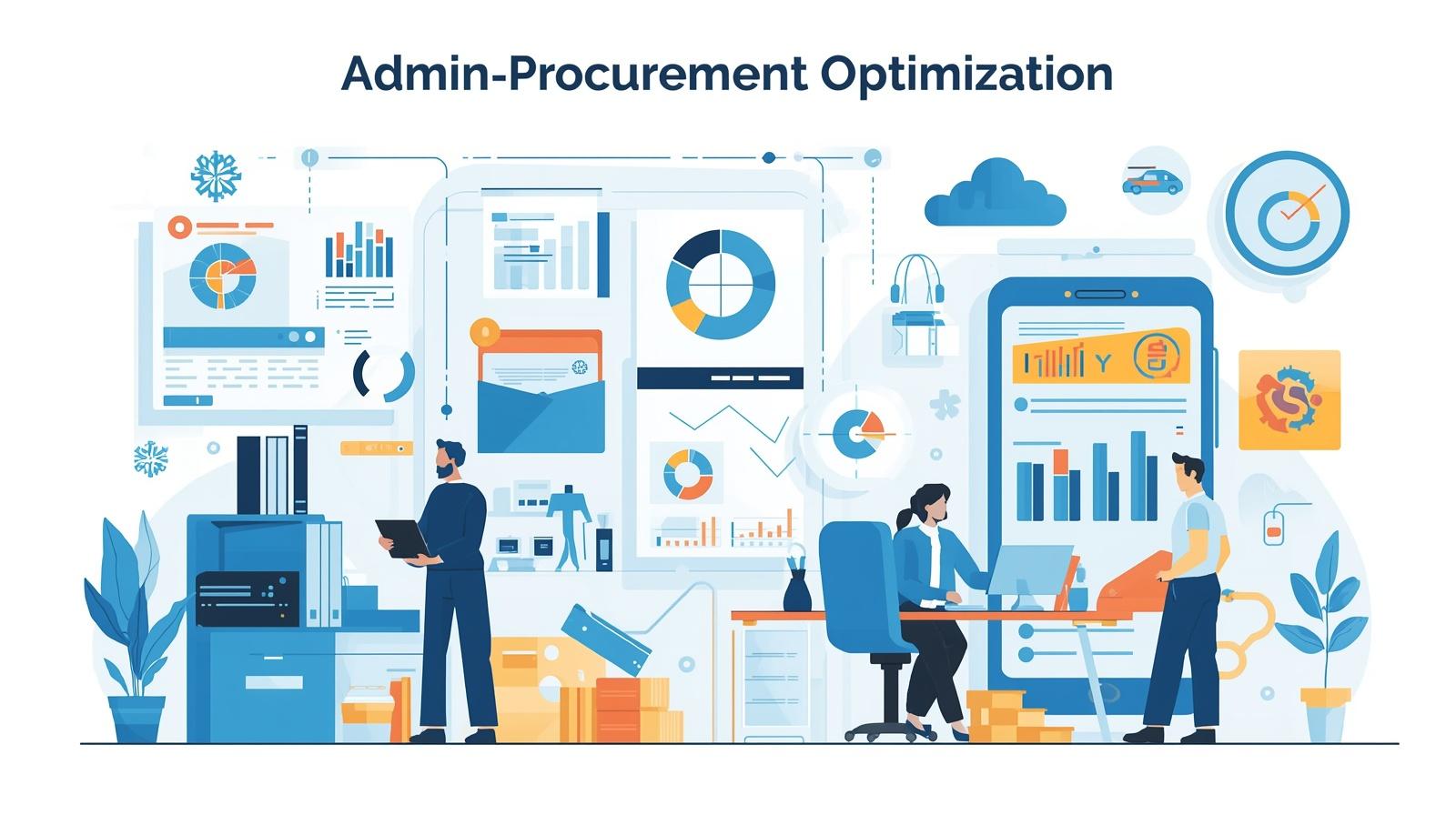

The Future of One-Off Purchasing: Digital Platforms and Trends in 2025 centers on the evolving landscape where single, non-recurring purchases play a critical role in both consumer and business markets. One-off purchasing 2025 refers to acquiring goods or services as isolated transactions rather than ongoing contracts or subscriptions. This approach remains vital for industries requiring flexibility, rapid response to market demands, or unique goods.
Digital platforms are reshaping buying behaviors by introducing automation, seamless interfaces, and data-driven insights that simplify decision-making. These technologies enable buyers to access broader supplier networks, compare options instantly, and execute transactions with greater confidence and speed.
Understanding emerging trends in this space is crucial to staying competitive. Businesses that leverage innovations like AI-powered tools, immersive e-commerce experiences, and sustainable procurement strategies position themselves ahead of rivals. For instance, maximizing federal grant funding for nonprofits can significantly enhance operational capabilities. Similarly, boosting employee morale with break room supplies can lead to increased productivity and satisfaction.
Moreover, the importance of essential PPE for airborne precautions in healthcare cannot be overstated in the current climate. Understanding GPO membership benefits can also provide businesses with valuable resources and savings. Lastly, adopting effective supply chain risk mitigation strategies will empower businesses to optimize costs and enhance buyer satisfaction while future-proofing their purchasing processes.
1. Digital Transformation and AI Integration in One-Off Purchasing
Digital transformation is reshaping one-off purchasing through AI procurement and automation technologies. AI-powered software now automates critical tasks such as:
- Generating purchase orders
- Managing invoicing processes
- Handling contract management
This automation reduces human error, accelerates transaction times, and frees up procurement teams to focus on strategic activities.
Enhancing Demand Forecasting and Supplier Relationship Management
Predictive analytics combined with conversational AI enhances demand forecasting and supplier relationship management. By analyzing historical data and market trends, these tools predict purchasing needs more accurately, allowing you to avoid stockouts or overstock situations. Conversational AI interfaces simplify interactions with suppliers, streamlining communication and negotiation processes.
Centralizing Procurement Operations with Cloud-Based Systems
Cloud-based systems provide centralized platforms for procurement operations, increasing accessibility and collaboration across departments. When paired with blockchain technology, transparency and real-time data visibility escalate significantly. Blockchain’s immutable ledger records every transaction securely, creating trust among stakeholders by ensuring data integrity and traceability.
Gaining a Competitive Edge through Technology Adoption
You gain a competitive edge by embracing these technologies that transform one-off purchasing from a manual, fragmented process into an efficient, transparent, and data-driven function. The integration of automation, predictive analytics, and blockchain transparency sets new standards for accuracy and reliability in procurement workflows.
Moreover, these advancements also open up avenues for cost-saving strategies, making the most out of every dollar spent while debunking common myths about purchasing practices through comprehensive mythbusting.
2. E-commerce Trends Shaping One-Off Purchases
The e-commerce growth 2025 landscape signals a robust expansion of the global retail e-commerce market, directly influencing the volume and nature of one-off purchases. Consumers now expect seamless, instant access to products worldwide, increasing demand for single-item transactions across diverse categories.
1. The Rise of Mobile Commerce
Mobile commerce has emerged as a dominant force. By 2027, mobile devices are projected to account for over 70% of all e-commerce sales, underscoring the necessity for mobile-optimized platforms that facilitate quick, convenient one-off buying experiences. The ability to purchase on-the-go simplifies decision-making and encourages impulse buys.
2. Livestream Shopping: Blending Entertainment with Commerce
Livestream shopping platforms like TikTok Live and eBay Live are redefining revenue streams by blending entertainment with real-time purchasing opportunities. These interactive sessions engage consumers in authentic product demonstrations, boosting buyer confidence and driving immediate sales for one-off transactions.
3. Augmented Reality: Enhancing the Purchasing Journey
Augmented reality (AR) technologies enhance the purchasing journey through virtual try-ons and 3D product visualization. This immersive experience reduces uncertainty about fit or appearance, particularly in fashion and home decor sectors, thereby increasing conversion rates in one-off buying scenarios.
4. Voice Commerce: Effortless Interaction with Digital Platforms
Voice commerce is gaining traction via smart assistants such as Amazon Alexa and Google Assistant. These tools streamline shopping by enabling hands-free ordering through natural language commands, simplifying the path from product discovery to purchase. The rise of voice commerce reflects changing consumer preferences toward effortless interaction with digital platforms.
Key e-commerce trends shaping one-off purchases:
- Global market expansion fuels accessibility and variety.
- Mobile commerce dominance ensures convenience anytime, anywhere.
- Livestream shopping merges engagement with instant buying.
- AR adoption enhances visualization and confidence.
- Voice commerce rise delivers frictionless ordering experiences.
These developments collectively transform how you approach one-off purchasing, making it faster, more interactive, and tailored to evolving consumer behaviors. As we look towards 2025, it’s also worth noting how these trends might influence various career paths, such as the procurement engineer salary trends which are expected to evolve alongside these changes in the e-commerce landscape.
Furthermore, as businesses adapt to these e-commerce trends, there will be an increasing emphasis on diversity, equity, and inclusion (DEI) within the workplace to better reflect the diverse consumer base they serve.
3. Personalization Enhancing Consumer Experience in One-Off Buying
Personalization has become a key element in The Future of One-Off Purchasing: Digital Platforms and Trends in 2025, driven largely by hyper-personalization AI. These advanced algorithms analyze real-time consumer data to deliver product recommendations tailored specifically to individual preferences and behaviors. This level of customization not only improves buyer satisfaction but also increases conversion rates by presenting the most relevant options without overwhelming choices.
How Personalization is Shaping One-Off Purchases
Here are some ways personalization is reshaping how consumers approach one-off purchases:
- AI-driven hyper-personalization: Recommendations are tailored dynamically based on individual preferences and behaviors.
- Social commerce: Shopping is embedded into everyday social interactions on platforms like Instagram, Facebook, and Pinterest.
- Flexible payments: Digital wallets and buy now pay later (BNPL) solutions improve accessibility and trust in the purchasing process.
These strategies are making experiences more intuitive and aligned with individual needs, ultimately enhancing the overall consumer experience in one-off buying scenarios.
4. Sustainability and ESG Considerations Influencing Procurement Decisions in One-Off Purchasing
Sustainability and ESG procurement are no longer optional in one-off purchasing—they are critical factors shaping supplier selection and procurement strategies. Buyers increasingly demand transparency around environmental, social, and governance criteria before committing to a purchase.
Key aspects include:
- Sustainable sourcing: Companies prioritize suppliers who demonstrate low-emission alternatives and responsible resource management. This reduces the carbon footprint associated with each one-off purchase while supporting a circular economy by encouraging reuse, recycling, and waste minimization. Such effective sourcing strategies not only benefit the environment but also enhance the reputation of the company and reduce risks associated with non-compliance.
- Carbon tracking software: Adoption of advanced sustainability tools enables real-time monitoring of emissions linked to procurement activities. These platforms provide detailed reports aligned with global standards such as the Greenhouse Gas Protocol and CDP frameworks. They help organizations verify supplier claims and ensure accountability throughout the purchasing lifecycle.
- Increasingly, procurement teams integrate ESG metrics into their evaluation processes, balancing cost considerations with the long-term impact on communities and ecosystems. This shift reflects a broader recognition that responsible sourcing drives not just compliance but also brand trust and resilience against regulatory risks. It’s vital to avoid common procurement terms that may hinder communication regarding these important aspects.
By embedding sustainable practices into one-off purchases, you position your business to meet evolving stakeholder expectations while contributing to global sustainability goals. Moreover, exploring options like private sector group purchasing can further amplify these efforts by leveraging collective buying power for better compliance-driven sourcing outcomes.
5. Strategic Changes in Procurement for One-Time Purchases
The world of strategic procurement 2025 is moving decisively away from a narrow focus on cost-cutting. Instead, it centers on value creation through innovation and building reliable supplier relationships. This shift acknowledges that long-term success depends on collaborating with suppliers who can deliver not just price advantages but also agility, quality, and sustainability.
Key elements in this evolution include:
- Innovation-driven partnerships: Procurement teams now prioritize suppliers capable of co-developing new products or solutions, adapting quickly to changing market demands.
- Reliability over lowest cost: Consistent delivery timelines, quality assurance, and transparent communication are becoming critical criteria in supplier selection. To ensure these aspects are met, it’s essential to focus on maximizing supplier performance.
Data-driven category management plays a crucial role in enabling these strategic objectives. By leveraging market intelligence, procurement professionals gain:
- Spend visualization: Detailed insights into where money flows across categories help identify opportunities for consolidation or diversification. This is particularly useful when considering drastic cost reduction through collective spend.
- Risk assessment: Advanced analytics highlight supplier vulnerabilities, geopolitical risks, or supply chain disruptions before they impact operations.
This approach to category management transforms one-off purchasing from reactive transactions into proactive strategy execution. The use of real-time data and predictive tools fosters informed decision-making, aligning procurement actions with broader business goals such as risk mitigation and sustainable growth. Such a transformation is especially crucial for those managing a one-person procurement function, where optimizing every aspect of the process is vital.
However, it’s important to note that this shift towards value creation does not entirely eliminate the need for cost management. In fact, effective [tail spend management](https://hubzonedepot.com/tag/tail-spend-management) can still yield significant savings while allowing businesses to focus on more strategic procurement activities. Additionally, understanding the difference between strategic sourcing and category management, which are both part of the larger framework of strategic sourcing’s category strategies driving value, can further enhance the effectiveness of procurement strategies.
6. Workforce Evolution Supporting Future Procurement Practices in One-Off Purchasing
The landscape of procurement skills in 2025 demands a significant shift to keep pace with technological advancements and evolving market dynamics. Procurement professionals must develop competencies beyond traditional negotiation and supplier management. Key emerging skills include:
- Data analysis: Ability to interpret complex datasets to identify purchasing patterns, forecast demand, and assess supplier performance.
- Strategic thinking: Focusing on long-term value creation rather than short-term cost savings, aligning procurement decisions with broader business goals.
- AI management capabilities: Understanding how to oversee AI-powered tools, ensuring they function effectively while mitigating risks such as bias or errors.
Human-AI collaboration becomes a cornerstone of modern procurement processes. While automation handles routine tasks—such as purchase order processing and contract management—human judgment remains crucial for nuanced decision-making, ethical considerations, and relationship building. This balance optimizes efficiency without sacrificing the insight that only experienced professionals provide.
Digital proficiency is essential not only for operating advanced platforms but also for safeguarding sensitive data. Procurement teams must navigate privacy regulations and implement cybersecurity best practices to protect both company information and supplier confidentiality.
The future workforce will blend technological savvy with critical thinking skills, enabling businesses to leverage digital transformation fully. Mastery of these capabilities equips procurement professionals to drive innovation, enhance transparency, and maintain trust in one-off purchasing environments shaped by rapid change.
This evolution in workforce skills directly supports the strategic shifts in procurement discussed earlier, reinforcing the move toward data-driven decision-making and stronger supplier partnerships. As businesses adapt to these changes, exploring the best procurement software and outsourcing companies can revolutionize their procurement strategy.
For those just starting out, entry-level procurement jobs offer a great opportunity to kickstart a career in supply chain management. However, it’s crucial to remember that during tough times, building resilience in procurement is essential.
Moreover, the journey of continuous learning is vital in mastering procurement skills. As highlighted in Frank Corris’s transformative journey, mastering procurement through learning and adaptation is key to achieving success in this field.
Conclusion
To anticipate future one-off purchasing trends, you need to make digital innovation procurement a core business strategy. Here are the steps you must take to stay competitive in 2025:
- Invest in AI-powered tools that automate and optimize purchasing workflows.
- Use data analytics for smarter decision-making and risk management.
- Embrace immersive technologies like AR and voice commerce to enhance customer experience.
- Prioritize sustainability by aligning procurement with ESG principles.
- Develop a workforce skilled in both technology and strategic thinking.
However, achieving these goals may seem daunting, especially when resources are limited. It’s crucial to remember that you can still succeed with limited resources by embracing constraints, optimizing processes, and leveraging networks for business success.
The evolution of The Future of One-Off Purchasing: Digital Platforms and Trends in 2025 requires flexibility and a proactive mindset. By incorporating these emerging trends, your business can achieve greater efficiency, lower costs, and discover new growth opportunities. Get ready to transform procurement from a simple transaction into a strategic advantage that brings long-term value.