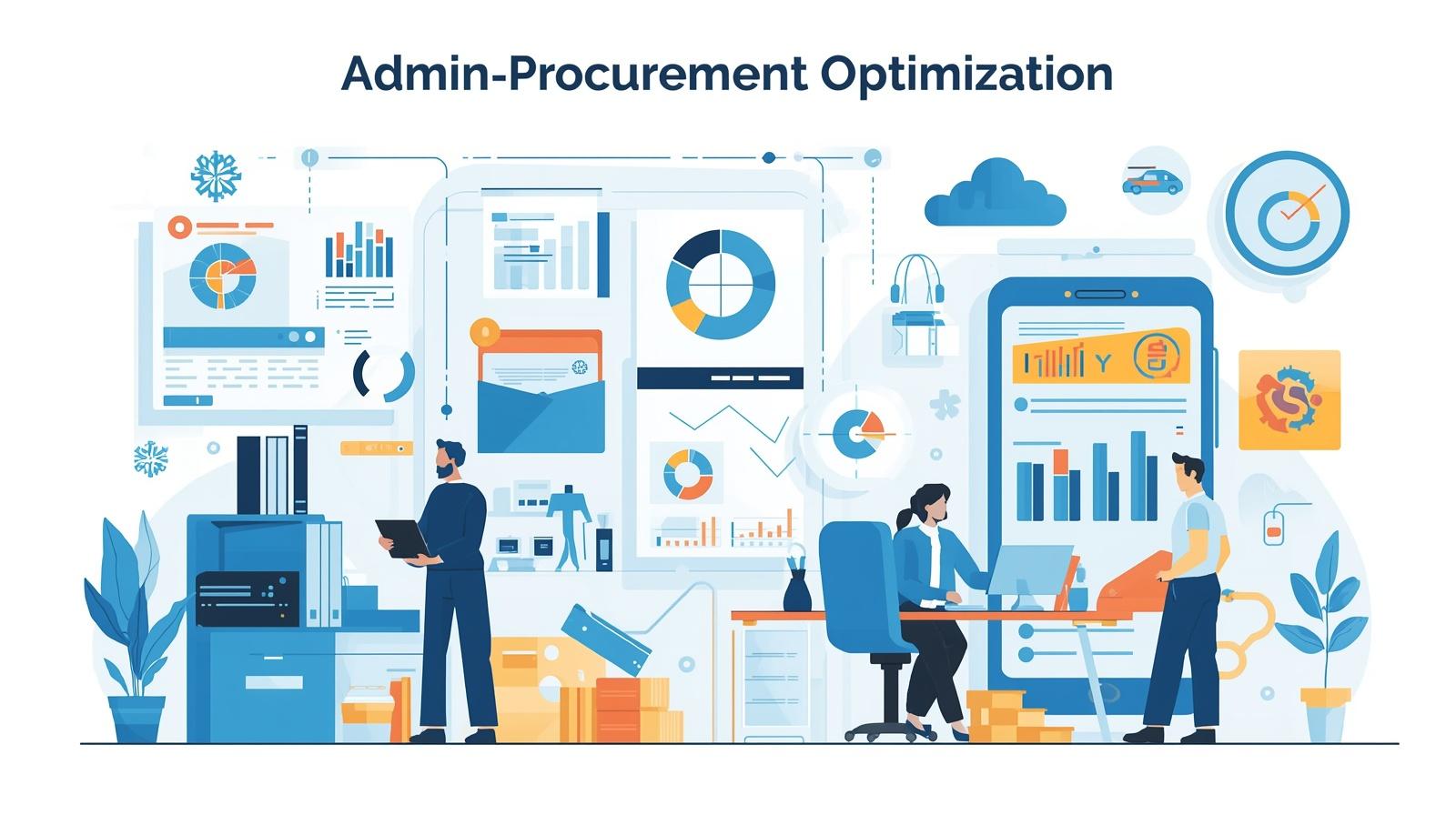

Transportation Spend Management for Shippers refers to the strategic approach shippers use to control and optimize their freight-related expenses. It involves analyzing, tracking, and managing all costs associated with moving goods, including carrier fees, fuel, labor, and handling charges.
Managing transportation costs plays a critical role in supply chain operations by directly impacting profitability and competitive advantage. Transportation often represents one of the largest expenditures for shippers, making efficient spend management essential to avoid budget overruns and improve operational efficiency.
Benefits of effective transportation spend management include:
- Freight cost optimization that reduces unnecessary expenses
- Enhanced visibility into shipping activities for better decision-making
- Improved vendor negotiations through accurate data insights
- Streamlined invoice auditing and payment processes
Mastering transportation spend management empowers shippers to maintain tighter control over their logistics budgets while supporting reliable delivery performance.
In addition to these benefits, effective transportation spend management can also free up resources that can be utilized in other areas such as maximizing federal grant funding for nonprofits or implementing effective sourcing strategies for hiring top talent. Furthermore, optimizing these logistics can lead to improved employee morale as a result of better break room supplies or ensuring the availability of essential PPE for airborne precautions in healthcare.
Understanding Transportation Spend Management
Transportation Spend Management (TSM) involves a comprehensive approach to controlling and optimizing all costs related to the movement of goods. It goes beyond just paying freight bills; TSM integrates cost analysis, process improvements, and technology applications to manage shipping expenses effectively.
Key cost components in transportation spend include:
- Fuel: One of the largest variable expenses, sensitive to market fluctuations.
- Labor: Costs associated with drivers, warehouse staff, and logistics personnel.
- Carrier fees: Charges from carriers based on contract terms, shipment weight, distance, and service types.
- Handling: Expenses related to loading, unloading, packaging, and sorting freight.
To optimize these costs, businesses often consider leveraging Group Purchasing Organizations (GPOs) which can provide substantial savings through collective buying power. However, it’s crucial to understand the difference between Purchasing Groups and Group Purchasing Organizations to make informed decisions.
TSM relies heavily on data tracking and analysis. Collecting accurate information on every shipment—from origin to delivery—enables shippers to identify patterns causing inefficiencies or overspending. Freight audit and payment processes play a critical role here by verifying the accuracy of carrier invoices against agreed rates and contracts. This prevents overcharges and billing errors that can inflate transportation costs unnecessarily.
By continuously monitoring these cost elements through detailed data insights, you gain control over your shipping expenses. This level of visibility supports informed decision-making that targets cost reduction while maintaining service quality.
Moreover, implementing [Diversity, Equity, and Inclusion (DEI)](https://hubzonedepot.com/uncategorized/what-is-dei-understanding-diversity-equity-and-inclusion-in-the-workplace) strategies within your logistics team can also lead to improved performance and efficiency in managing transportation spend.
Key Technologies Enabling TSM for Shippers
Transportation Spend Management (TSM) relies heavily on advanced technologies to streamline processes and control costs. Three critical tools stand out in this space:
1. Freight Audit and Payment (FAP) Systems
These systems automate the auditing of freight invoices, ensuring accuracy by detecting billing errors, duplicate charges, or discrepancies. FAP solutions reduce manual intervention, speed up payment cycles, and improve financial transparency. They play a crucial role in automating payment processing while maintaining compliance with negotiated carrier contracts.
2. Transportation Management Systems (TMS)
TMS platforms offer shippers operational visibility and control over their entire transportation network. From carrier selection to shipment tracking and load optimization, TMS provides real-time data analytics that support decision-making. This centralized system helps manage route planning, freight consolidation, and carrier performance evaluation effectively.
3. Machine Learning and Predictive Analytics
Leveraging these technologies enables shippers to forecast demand fluctuations accurately and optimize routing strategies dynamically. Machine learning models analyze historical data alongside external factors such as weather or traffic patterns to suggest the most cost-effective shipping options. Predictive analytics enhance capacity planning and reduce unnecessary expenditures by anticipating potential disruptions before they occur.
Each technology addresses specific challenges within transportation spend management while collectively enabling more precise, data-driven control of shipping costs. Adopting these tools equips shippers with greater agility and insight needed to navigate an increasingly complex logistics environment.
However, implementing these advanced technologies may require substantial investment and resources. To overcome these barriers, companies can adopt some of the 10 essential business tips for succeeding with limited resources. Additionally, embracing a mindset of continuous learning can significantly enhance procurement success, as highlighted in Frank Corris’s transformative journey into mastering procurement through learning and adaptation.
Core Components of Effective Transportation Spend Management
Effective Transportation Spend Management for Shippers hinges on several core practices that ensure costs are controlled and optimized consistently.
1. Cost Monitoring Across Elements
Tracking spend across various transportation cost elements—fuel, labor, carrier fees, and handling—is essential to uncover inefficiencies. You need granular visibility into each cost category to pinpoint where overspending or waste occurs. This continuous monitoring helps you make informed decisions that reduce unnecessary expenses. Leveraging drastic cost reduction through collective spend can be a game changer in this aspect.
2. Invoice Analysis for Accuracy
Shipping invoices often contain errors or overcharges. Analyzing these invoices against contracts, shipment records, and delivery confirmations allows you to detect anomalies early. Identifying discrepancies such as duplicate charges or incorrect rates protects your budget and strengthens supplier accountability. This is where effective [supplier relationship management](https://hubzonedepot.com/tag/supplier-relationship-management) comes into play, enabling better communication and resolution of issues with vendors.
3. Cloud-Based Platforms for Automation
Leveraging cloud-based platforms streamlines manual tasks like data collection, auditing, payment processing, and reporting. Automation reduces human error and accelerates the entire audit-to-payment cycle. Real-time access to transportation spend data empowers you with actionable insights anytime, anywhere.
4. Centralized Procurement and Vendor Management
Managing vendors from a centralized system prevents issues like inaccurate pricing or duplicate orders. Consolidating procurement functions improves contract compliance and enhances negotiation leverage with carriers and service providers. It also simplifies tracking vendor performance against service level agreements. Implementing tail spend management strategies can significantly improve procurement efficiency by focusing on the less significant portions of the budget that are often overlooked.
Furthermore, adopting a comprehensive vendor management strategy can help streamline vendor interactions and improve overall procurement efficiency.
Combining these components creates a robust framework that transforms raw transportation data into strategic cost savings opportunities while maintaining operational efficiency. Understanding the difference between strategic sourcing and category management can further enhance your approach to managing transportation spend effectively.
Measuring Performance through KPIs in TSM
Key performance indicators (KPIs) are essential tools for evaluating transportation spend efficiency. They provide objective metrics that help you track how well your transportation management strategies are performing and identify areas needing improvement.
Common KPIs in Transportation Spend Management include:
- Cost per unit shipped: Measures the average transportation cost for each unit of product moved. This KPI helps assess cost-efficiency across shipments.
- Freight bill accuracy rates: Tracks the percentage of freight invoices that are correct without errors or overcharges. High accuracy reduces unnecessary expenses and administrative burdens.
- Carrier compliance levels: Evaluates how consistently carriers follow contract terms, including pricing, service standards, and delivery schedules. Regular contract compliance audits can significantly enhance this KPI.
- Delivery times: Monitors the actual time taken to deliver shipments compared to planned schedules, impacting customer satisfaction and inventory management.
- On-time performance metrics: Measures the rate at which shipments arrive on or before the expected date, reflecting reliability and operational effectiveness.
Using these KPIs enables you to maintain control over transportation costs while ensuring service quality remains high. For instance, tracking supplier performance regularly reveals trends and supports data-driven decision-making to optimize your logistics operations. Furthermore, during challenging times, understanding how to build resilience in procurement can provide additional stability to your supply chain.
External Factors Impacting Transportation Spend
Transportation spend does not exist in a vacuum. Several external factors directly influence the costs you face as a shipper. Understanding these elements is critical for effective Transportation Spend Management (TSM).
1. Fuel Price Fluctuations
Fuel remains one of the largest variable expenses in transportation. Sudden spikes or drops in fuel prices can severely impact your overall spend. When fuel prices rise, carriers often pass these costs along through fuel surcharges, increasing freight rates. Managing contracts and monitoring fuel trends help mitigate unexpected cost hikes.
2. Geopolitical Events
Geopolitical disruptions such as the Panama Canal drought introduce significant shifts in shipping routes and transit times. Longer routes or bottlenecks caused by such events raise transportation expenses and create scheduling challenges. You must stay informed about global events to adjust logistics strategies proactively.
3. Labor Market Conditions and Inflation
Tight labor markets increase wages for drivers, warehouse workers, and other logistics personnel, pushing freight costs upward. Inflation adds pressure by raising costs for equipment, maintenance, and materials. Both factors require shippers to negotiate pricing carefully and explore efficiency improvements to contain expenses.
4. Supply Chain Disruptions
Recent examples like the COVID-19 pandemic highlight how disruptions affect transportation spend dynamics. Delays, capacity shortages, and rerouted shipments inflate costs unpredictably. Building flexible supply chains and leveraging real-time data can reduce exposure to such disturbances. For more insights on supply chain risk mitigation, it’s crucial to develop strategies that can effectively minimize these risks.
Recognizing these external forces enables you to adapt TSM practices dynamically, maintaining tighter control over transportation budgets despite volatile conditions. Furthermore, understanding the potential career paths such as entry-level procurement jobs or procurement engineer salary trends can also provide valuable insights into the procurement side of supply chain management which plays a significant role in controlling transportation spend.
Benefits of Implementing Transportation Spend Management Solutions for Shippers
Transportation Spend Management for Shippers delivers tangible cost reduction benefits by optimizing every dollar spent on logistics. You can lower total transportation costs by identifying inefficiencies, negotiating better carrier contracts, and automating freight audit and payment processes. For example, a shipper using TSM software might uncover duplicate payments or incorrect freight charges and save thousands annually.
Achieving Logistics Network Efficiency
Improving logistics network efficiency becomes achievable with real-time visibility into shipments and automated workflows. You gain control over routing decisions, carrier selection, and load consolidation, reducing empty miles and fuel consumption. Automation cuts manual errors and accelerates invoice processing, freeing your team to focus on strategic tasks.
Enhancing Customer Satisfaction
Customer satisfaction improves through more reliable delivery service levels. When shipments arrive on time and damages are minimized, your customers trust your brand more. Maintaining high performance in delivery schedules directly impacts repeat business and strengthens partnerships.
Strengthening Budgeting and Forecasting Capabilities
Strengthening budgeting and forecasting capabilities relies on data-driven insights from TSM systems. Detailed reporting helps you understand spend patterns, anticipate seasonal fluctuations, and allocate resources effectively. This accuracy supports better financial planning and reduces surprises in transportation expenses.
Implementing Transportation Spend Management solutions empowers shippers to control costs, enhance operations, satisfy customers, and plan confidently.
Moreover, these advantages can be further amplified by leveraging private sector group purchasing benefits. This approach allows shippers to harness the collective buying power of a group for better pricing and terms.
Additionally, adopting compliance-driven sourcing can significantly improve procurement processes. This strategy not only enhances reputation but also reduces risks and ensures alignment with ethical standards.
Furthermore, exploring advanced procurement software or outsourcing options can revolutionize your procurement strategy. These tools offer enhanced efficiency in managing logistics spend while ensuring compliance with industry standards.
In summary, the implementation of Transportation Spend Management solutions combined with strategic procurement practices can lead to substantial cost savings, improved operational efficiency, heightened customer satisfaction, and more accurate financial planning for shippers.
Case Studies & Real-world Applications of TSM Technologies by Shippers
Significant savings emerge as a common outcome in freight audit recovery savings case study on TSM solutions implementation by a shipper. One notable example involves a large retail company that integrated an advanced Freight Audit and Payment (FAP) system. By automating invoice auditing, they uncovered previously unnoticed overcharges, recouping millions in erroneous fees within the first year.
Role of Artificial Intelligence and Machine Learning
Artificial intelligence and machine learning play crucial roles in these outcomes. These technologies swiftly identify cost anomalies that manual processes often miss. Dynamic optimization of freight spend becomes possible through continuous learning algorithms that adjust to changing shipping patterns, carrier performance, and fuel price fluctuations. For instance, a global manufacturer applied machine learning models to predict demand spikes and optimize routing decisions, reducing expedited shipping costs substantially.
Impact of Modern Transportation Management Systems (TMS)
Modern Transportation Management Systems (TMS) improve logistics processes by providing end-to-end visibility and control. A midsize shipper reported enhanced route planning and carrier selection after implementing cloud-based TMS tools. This shift led to decreased dwell times at docks and improved compliance with service-level agreements.
Key Benefits Observed
Key benefits observed across these real-world applications include:
- Automated detection of billing errors leading to faster freight audit recoveries
- Data-driven decision-making enabling proactive cost management
- Streamlined vendor communication reducing administrative overhead
- Improved shipment tracking supporting better customer service
These case studies demonstrate how embracing TSM technologies transforms transportation spend from a reactive expense into a strategically managed asset. Such strategies align with the principles of “frugal living”, where maximizing cost savings is essential in daily operations.
Conclusion
Using modern technologies changes how you handle transportation costs. With real-time data and advanced analytics, you can see all costs clearly with Hubzone Depot’s solution as a shipper. This clear view helps you find problems, control spending, and make smart choices that directly improve your supply chain.
Key benefits include:
- Faster detection and resolution of cost issues
- Smoother invoice checks and payment processes
- More accurate predictions and budgets
- Better control over operations with centralized vendor management
By exploring Hubzone Depot’s solutions, you are embracing a future where Transportation Spend Management for Shippers becomes more open, efficient, and adaptable. Take charge of your freight expenses with tools designed to optimize every dollar spent. Your supply chain deserves the clarity and accuracy that technology-driven spend management provides.
For those managing a one-person procurement function, Hubzone Depot offers strategic solutions that can greatly improve cost efficiency and supplier management. It’s also important to understand certain procurement terms that can help convey the value of procurement in your organization.