Supplier Segmentation Matrix and Kraljic Model
The Kraljic matrix segments categories by supply risk and profit or value impact. Non-critical, leverage, bottleneck, and strategic positions call for different supplier strategies and review triggers. Which business decisions should supplier segmentation improve? In practical terms, supply risk sets the operating boundary, value impact identifies what the organization is trying to protect or improve, […]
Make-or-Buy Analysis for Procurement and Supply Chain Decisions
Make-or-buy analysis combines strategic control, capacity, relevant cash flows, break-even volume, quality, intellectual property, supply risk, speed, and reversibility. Sunk cost should not drive the forward decision. Which capacity, capability, cost, control, and strategic conditions should trigger a make-or-buy analysis? In practical terms, available capacity sets the operating boundary, strategic criticality identifies what the organization […]
Procurement Maturity Assessment and Improvement Roadmap
Procurement maturity describes demonstrated capability across strategy, people, process, data, technology, supplier management, and governance. It is an evidence-based baseline for prioritizing improvement, not a prestige score. Which business outcomes justify a procurement maturity assessment? In practical terms, strategy capability sets the operating boundary, people capability identifies what the organization is trying to protect or […]
Should-Cost Analysis and Cost Modeling for Sourcing

Should-cost analysis builds a transparent estimate of the economic cost to produce and deliver a defined item or service. Materials, labor, process, overhead, logistics, risk, utilization, and reasonable margin depend on evidence and assumptions. How does should-cost analysis differ from price analysis and total cost of ownership? In practical terms, material input sets the operating […]
Source-to-Pay and Procure-to-Pay Compared
Source-to-pay covers strategic activities from spend insight and sourcing through contracting, transactions, payment, and supplier performance; procure-to-pay focuses on requisition through payment. Which processes, decisions, data, and controls belong inside source-to-pay and procure-to-pay? In practical terms, spend insight sets the operating boundary, sourcing and contract identifies what the organization is trying to protect or improve, […]
End-to-End Procure-to-Pay Process and Automation
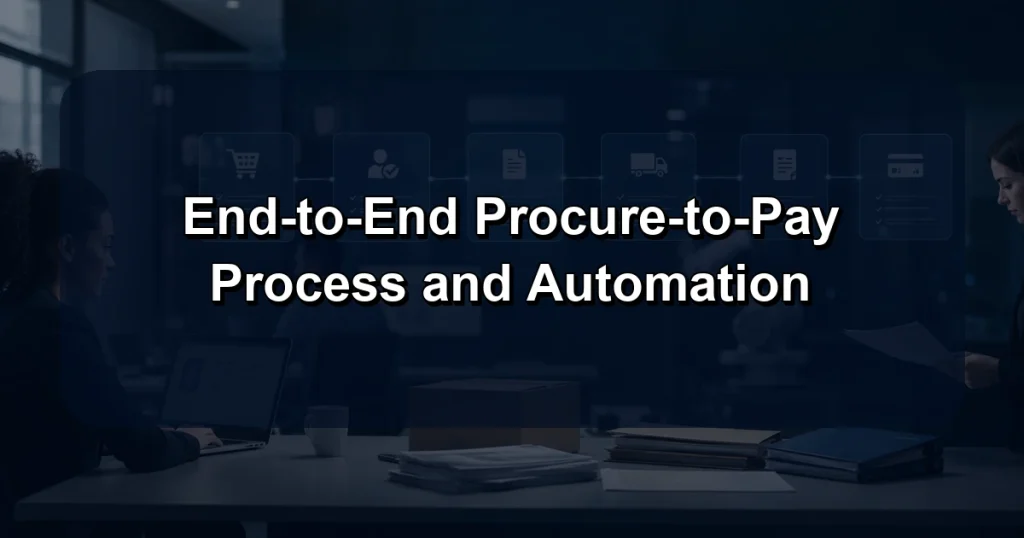
Procure-to-pay converts an approved need into an authorized order, verified receipt, matched invoice, and controlled payment. Automation should strengthen controls while reducing avoidable handoffs and exceptions. Which events, records, and control objectives define the procure-to-pay process boundary? In practical terms, approved need sets the operating boundary, requisition workflow identifies what the organization is trying to […]
Procurement ROI Calculation and Savings Methodology
Procurement ROI compares validated net benefit with the full cost of producing and sustaining that benefit. Baseline, attribution, timing, implementation cost, recurring cost, realization, and payback must be explicit. When does procurement ROI provide a valid decision metric, and when can it mislead? In practical terms, validated baseline sets the operating boundary, gross benefit identifies […]
How to Manage Tail Spend Effectively
Tail spend consists of low-value, fragmented, infrequent, or unmanaged purchases that consume disproportionate process effort and create visibility, price, compliance, and supplier risk. Which spend patterns, transaction signals, and supplier fragmentation define tail spend? In practical terms, spend value sets the operating boundary, purchase frequency identifies what the organization is trying to protect or improve, […]
Procurement Outsourcing Benefits, Risks, and Growth Use Cases
Procurement outsourcing can add capacity, technology, market access, or specialist execution, but accountability for policy, risk appetite, approvals, and business outcomes remains with the buyer. Which procurement outsourcing benefits are measurable beyond labor-cost reduction? In practical terms, strategic importance sets the operating boundary, process standardization identifies what the organization is trying to protect or improve, […]
2026 Micro-Purchase and Simplified Acquisition Thresholds

For U.S. federal acquisitions, the general micro-purchase threshold is $15,000 and the general simplified acquisition threshold is $350,000, effective October 1, 2025. Exceptions and special situations use different thresholds. Which authoritative sources establish the applicable micro-purchase and simplified acquisition thresholds in 2026? In practical terms, acquisition value sets the operating boundary, general threshold identifies what […]